Discover the ultimate guide to using eSIM in Thailand for seamless travel connectivity. Compare top carriers, find the best data plans for tourists and digital nomads, and get expert tips for staying connected from Bangkok to the islands.
Quick Answer
For most travelers to Thailand, an eSIM from AIS (Advanced Info Service) provides the best combination of nationwide coverage, fast 5G speeds, and reliable service in both urban and rural areas. Digital nomads and heavy data users should consider unlimited data eSIM plans, while budget travelers can find affordable options with 3-10GB packages. You can purchase and activate your Thailand eSIM before arrival through providers like our Thailand eSIM packages, ensuring instant connectivity upon landing.
For those planning a trip to the popular coastal resort town, explore options to Buy eSIM for Hua Hin travel — Instant Thailand 4G/5G Plans (NexaEsim).
Why Choose eSIM for Thailand Travel
Thailand's vibrant cities, stunning islands, and remote northern regions demand reliable mobile connectivity that traditional SIM cards often struggle to provide. An eSIM offers several distinct advantages for Thailand travelers. First, you can purchase and install your eSIM before departure, avoiding the queues at airport kiosks or convenience stores upon arrival. This means you have working data the moment you land at Suvarnabhumi or Don Mueang airports.
For month-long adventures, an eSIM Thailand Unlimited 30 Days: Pick the Right Unlimited Plan for a Month in Thailand provides the most comprehensive data solution.
For digital nomads working remotely from Chiang Mai or Bangkok, eSIMs allow easy switching between multiple profiles without physically changing SIM cards. Backpackers moving between islands will appreciate not having to hunt for SIM card vendors in every new location. The convenience factor extends to family travel too – you can manage multiple eSIMs for different family members from a single device.
For those requiring more extensive connectivity over a longer period, a How to Pick the Right eSIM Thailand Unlimited 10 Days — Practical Guide offers detailed advice.
Security is another benefit. With an eSIM, there's no risk of losing a physical SIM card while island hopping or during adventurous activities. Most Thailand eSIM providers offer flexible data packages ranging from short-term tourist plans to monthly unlimited data options, making it easy to match your specific travel needs without overpaying for unused data.
Major Mobile Carriers in Thailand
Thailand's telecommunications market is dominated by three major players, each with distinct strengths for travelers. Understanding these carriers helps you make an informed eSIM choice.
AIS (Advanced Info Service): Thailand's largest mobile operator with the most extensive network coverage, particularly strong in rural and remote areas. AIS consistently invests in infrastructure, making it the most reliable choice for travelers venturing beyond major cities. Their 5G rollout has been aggressive in tourist hotspots.
TrueMove H: Known for excellent urban coverage and competitive pricing, TrueMove excels in Bangkok and other major cities. They offer good value packages and have been expanding their 5G network rapidly. Their customer service is generally considered tourist-friendly with English support available.
dtac: Popular among budget-conscious travelers and younger demographics, dtac offers affordable plans with decent coverage in most tourist areas. While their rural coverage might not match AIS, they provide solid service in popular destinations and frequently offer promotional packages for tourists.
Network Speed & Coverage Comparison
When choosing an eSIM provider for Thailand, network performance varies significantly between carriers and regions. Here's what travelers should expect:
| Carrier | Coverage | Speed | 5G | Best For |
|---|---|---|---|---|
| AIS | Excellent nationwide, strongest in rural areas | Fastest overall, consistent 4G/LTE | Widest 5G availability | Travelers exploring beyond cities, digital nomads |
| TrueMove | Excellent in urban areas, good in tourist regions | Very fast in cities, moderate elsewhere | Good 5G in major cities | City-focused travelers, Bangkok visitors |
| dtac | Good in tourist areas, moderate in remote regions | Decent speeds, can vary in rural areas | Limited 5G availability | Budget travelers, short-term visitors |
In practical terms, AIS typically provides the most consistent experience across Thailand's diverse geography. Their network handles high-demand situations well, such as during festivals or in crowded tourist areas. TrueMove offers competitive urban performance, particularly in Bangkok where their infrastructure is most developed. dtac serves budget-conscious travelers adequately in most popular destinations but may struggle in truly remote locations.
Which Network is Best for Tourists?
The optimal network choice depends on your Thailand itinerary and usage patterns. For most tourists following standard routes (Bangkok-Chiang Mai-Islands), AIS provides the best balance of reliability and coverage. Their network ensures connectivity whether you're exploring Bangkok's temples, hiking in Chiang Rai, or relaxing on Koh Samui beaches.
Digital nomads and remote workers should prioritize AIS for its consistent speeds and reliability, especially if working from cafes or co-working spaces requires stable video calls. The slightly higher cost is justified by the peace of mind when deadlines are involved.
Budget travelers sticking to major tourist hubs might find dtac sufficient, particularly for short trips focused on Bangkok, Chiang Mai, and popular islands like Phuket or Koh Phi Phi. TrueMove serves city-centric travelers well, especially those spending most of their time in Bangkok's extensive metro system where their network excels.
For those seeking unlimited data eSIM options, verify whether your chosen provider offers truly unlimited high-speed data or has fair usage policies. Some unlimited plans throttle speeds after certain thresholds, which could impact streaming or video calls.
Must-Visit Places in Thailand
Thailand's diversity demands different connectivity considerations depending on your destinations. Here are key regions and what to expect network-wise:
Bangkok: All three carriers provide excellent coverage in the capital. You'll experience fast 4G/LTE and expanding 5G networks throughout the city. Connectivity in the BTS Skytrain and MRT subway systems is generally reliable with AIS and TrueMove performing particularly well underground.
Northern Thailand (Chiang Mai, Chiang Rai, Pai): AIS dominates here with superior coverage in mountainous regions and rural areas. While all carriers work in Chiang Mai city, AIS provides more consistent service when visiting hill tribe villages or exploring national parks.
For travelers specifically heading to this northern hub, consider a dedicated Buy eSIM for Chiang Mai Travel — Instant Thailand eSIM Plans from NexaEsim.
Southern Islands (Phuket, Koh Samui, Koh Phi Phi): Coastal and island coverage varies. AIS and TrueMove both perform well on major islands, but AIS often has better coverage on smaller islands and during boat transfers between destinations.
Specifically for this popular island, you can find tailored plans to Buy eSIM for Koh Samui travel — instant Thailand eSIM plans & 4G/5G support.
Eastern Thailand (Pattaya, Koh Chang): Well-covered by all carriers, though AIS tends to have more consistent service on Koh Chang's less-developed western coast.
Travelers heading to this vibrant coastal city can find specific recommendations to Buy eSIM for Pattaya Travel: Best Tourist & Prepaid eSIMs for Thailand.
Regardless of destination, having an eSIM from a reliable provider ensures you can navigate, share experiences, and stay connected throughout your Thai adventure. Consider browsing our global eSIM catalog if you're continuing to other Southeast Asian destinations after Thailand.
Connectivity Tips for Travelers
Maximize your Thailand eSIM experience with these practical tips from seasoned travelers:
First, download offline maps and translation apps before arrival. While your eSIM will provide data, having backup offline resources is wise for areas with spotty coverage. Google Maps' offline feature is particularly useful for navigating Bangkok's complex streets or remote northern roads.
Enable data roaming in your phone settings before attempting to connect. Many travelers forget this simple step and wonder why their eSIM isn't working. For detailed setup instructions, consult our eSIM installation guide.
Monitor your data usage through your provider's app or phone settings. Thailand's tropical climate means you might use more data than expected – streaming music during long journeys or uploading photos from beautiful locations can consume data quickly. Most eSIM providers offer top-up options if you need additional data.
Use Wi-Fi when available at hotels and cafes to conserve mobile data. Thailand has excellent Wi-Fi infrastructure in tourist areas, but always use a VPN on public networks for security.
For digital nomads, consider carrying a portable Wi-Fi device as backup if your work is critical. While eSIMs are reliable, having redundancy ensures you never miss an important meeting or deadline.
Weather & Travel Seasons
Thailand's climate significantly impacts both travel experiences and connectivity needs. The country has three main seasons:
Cool Season (November-February): Peak tourist season with pleasant temperatures and minimal rainfall. Network congestion can occur in popular destinations during December and January holidays. This is the ideal time for northern Thailand exploration and island hopping.
Hot Season (March-June) Intense heat, especially in April. Tourist numbers decrease slightly, potentially improving network performance in crowded areas. Good for beach destinations despite the heat.
Rainy Season (July-October): Monsoon rains, particularly heavy on the Andaman coast. Fewer tourists mean less network congestion, but occasional storms can temporarily affect connectivity in remote areas. The Gulf islands (Koh Samui, Koh Phangan) experience different rainy patterns.
Your eSIM data usage may vary by season – you might use more data during rainy days spent indoors streaming content, or less during active exploration in perfect cool-season weather.
Best Month for Travel
For optimal travel and connectivity conditions, November through February offers the best balance. The weather is comfortable nationwide, and while this is peak season, network infrastructure generally handles the increased load well. February is particularly ideal – the weather remains excellent, and tourist numbers begin to taper slightly after January's peak.
Digital nomads might prefer May or September shoulder seasons. The weather is manageable (though hotter or rainier), tourist numbers are lower reducing network congestion, and accommodation prices drop significantly. Your eSIM will perform consistently during these months with less competition for bandwidth.
Budget travelers can find excellent value during rainy season months like August or October. While some islands experience heavier rainfall, the Gulf coast remains relatively dry. Network performance is generally excellent with fewer users, and you'll have popular sites more to yourself.
eSIM Data Plan Recommendation
Choosing the right data package depends on your travel duration and usage habits. Here's a practical guide based on typical traveler needs:
| Travel Days | Usage Type | Recommended Data |
|---|---|---|
| 3 days | Light (maps, messaging, occasional social) | 3-5GB |
| 5 days | Moderate (social, navigation, some streaming) | 5-8GB |
| 7 days | Active (regular streaming, video calls, uploads) | 10-15GB |
| 10 days | Heavy (daily streaming, work, constant connectivity) | 15-20GB or unlimited |
These recommendations account for typical usage patterns in Thailand, where travelers often use more data than anticipated for navigation in complex cities, translating menus, and sharing experiences on social media. Digital nomads should consider unlimited data eSIM plans if working requires constant connectivity, though verify speed throttling policies.
Heavy vs Light Users
Understanding your data consumption pattern is crucial for selecting the right Thailand eSIM plan.
Light Users: Typically use 1-2GB per week for essential functions like Google Maps, WhatsApp messages, occasional social media checks, and basic web browsing. If you primarily use Wi-Fi at accommodations and limit mobile data to navigation and communication, a smaller package suffices. Many budget travelers fall into this category.
For short trips, a dedicated eSIM Thailand Unlimited 5 Days: Pick the Right Plan for a Short Trip can be ideal for light users.
Moderate Users: Consume 3-5GB weekly with regular social media use, photo uploading, music streaming during transit, and occasional video calls. Most typical tourists fit here, especially those documenting their journey on Instagram or communicating regularly with family back home.
If your trip extends to a week, consider an eSIM Thailand unlimited 7 days: pick the right unlimited plan for a one‑week trip to cover your moderate data needs.
Heavy Users: Require 10GB+ weekly or unlimited plans. This includes digital nomads conducting video conferences, travelers streaming entertainment daily, content creators uploading large files, or those using data-intensive applications regularly. Backpackers who work remotely while traveling often need these larger packages.
If your stay is two weeks, exploring an eSIM Thailand Unlimited 15 Days: Choose the Right Plan for a Two-Week Trip ensures consistent high-speed access.
When in doubt, start with a moderate plan that allows easy top-ups. Most eSIM providers offer simple add-on options if you exceed your initial data allocation.
Buy eSIM for Thailand
Purchasing a Thailand eSIM is straightforward when you know what to look for. First, ensure your device is eSIM compatible – most smartphones manufactured since 2018 support eSIM technology. Check your phone's specifications or consult with your eSIM provider.
Look for providers offering AIS network access for the most reliable nationwide coverage. While some budget options might use dtac or TrueMove networks, AIS generally provides the best traveler experience. Verify whether the plan includes local phone numbers (for receiving calls/texts) or is data-only – most tourists only need data.
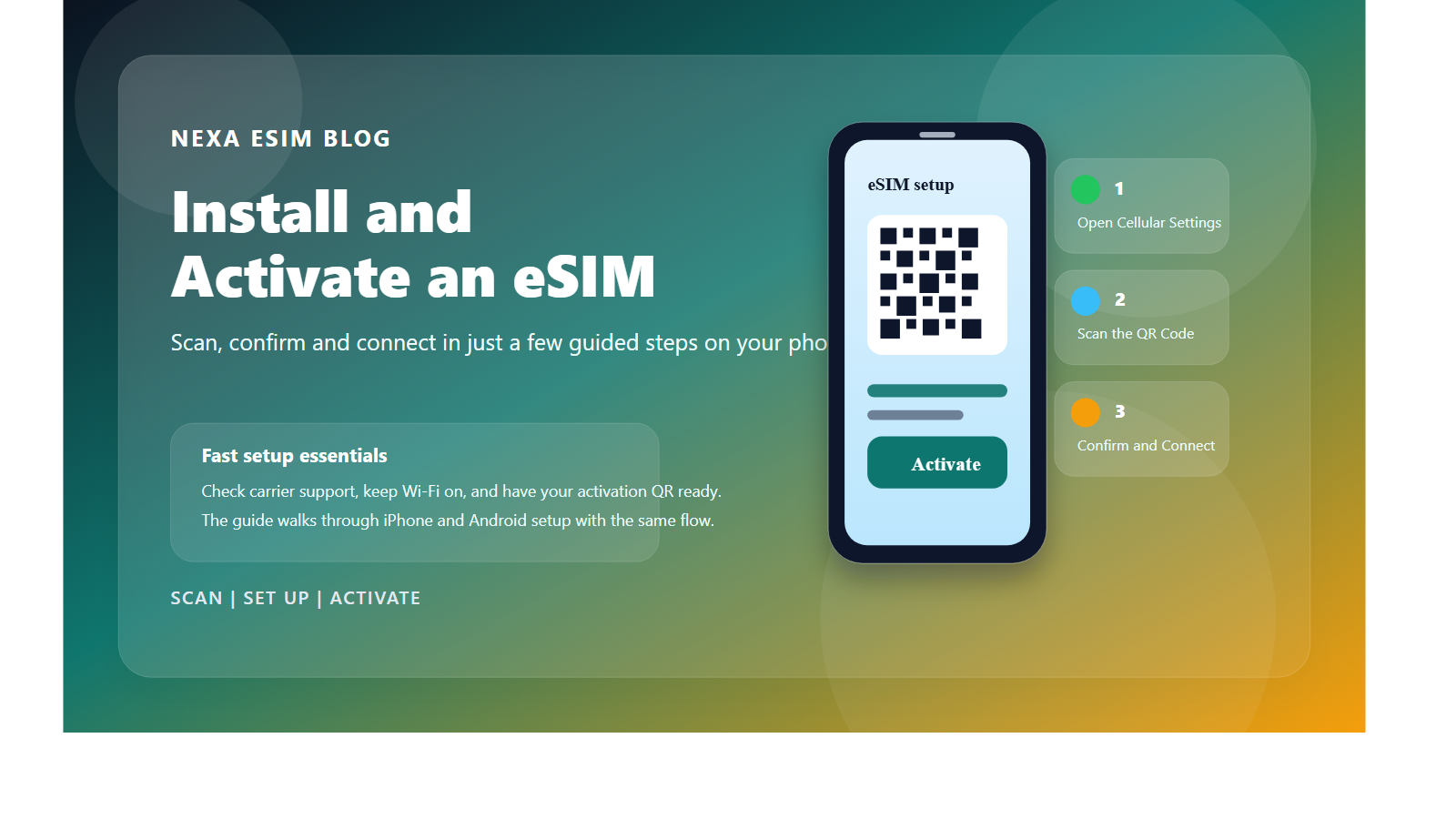
Purchase timing matters. Buy your eSIM at least 24 hours before departure to allow for any activation processing. This ensures immediate connectivity upon arrival. Installation typically involves scanning a QR code emailed to you after purchase, following simple on-screen prompts.
Consider value-added features like top-up flexibility, customer support availability (including English support), and whether the provider offers specific Thailand packages optimized for tourist needs. Some providers bundle useful services like travel insurance or discounts on local experiences.
FAQ
What is the best eSIM for Thailand travel?
For most travelers, an eSIM using the AIS network provides the best combination of coverage, speed, and reliability across Thailand's diverse destinations. Digital nomads should prioritize AIS-based unlimited data plans, while budget travelers might find dtac network eSIMs adequate for city-focused itineraries.
How do I buy an eSIM for Thailand travel?
Purchase through reputable eSIM providers online before your trip. You'll receive a QR code via email that you scan in your phone's cellular settings to install the eSIM. Ensure your device is unlocked and eSIM-compatible before purchasing.
Are there cheap eSIM options for Thailand?
Yes, budget-friendly eSIMs are available, particularly those using dtac's network. Look for packages offering 5-10GB of data for 7-10 day trips. Prices vary by provider, but competitive options exist for cost-conscious travelers.
What's better for Thailand: eSIM or physical SIM?
eSIMs offer superior convenience for Thailand travel. You avoid airport queues, can activate before arrival, and don't risk losing a physical SIM. While physical SIMs are widely available, eSIMs provide a more seamless experience, especially for multi-destination trips.
Do I need unlimited data for Thailand travel?
Most tourists don't need unlimited data unless they're streaming video daily, working remotely, or uploading large files regularly. Moderate users typically consume 5-10GB per week. Unlimited plans benefit digital nomads and heavy media consumers.
Can I use my Thailand eSIM on multiple devices?
eSIMs are tied to a single device. If you need connectivity on multiple devices, consider a portable Wi-Fi device with a local SIM or purchase separate eSIMs for each device. Some travelers use their phone as a hotspot for other devices.
How reliable is eSIM coverage in Thai islands?
Coverage varies by island and carrier. Major islands like Phuket, Koh Samui, and Koh Phi Phi have good coverage from all carriers. Smaller, less-developed islands may have spotty service, with AIS generally providing the most consistent island coverage.
What happens if I use all my eSIM data in Thailand?
Most providers offer easy top-up options through their apps or websites. Some plans automatically throttle speeds after exhausting high-speed data, while others cut off service until you purchase additional data. Check your provider's policy before traveling.
Is 5G widely available in Thailand for eSIM users?
5G is expanding rapidly in Thailand, particularly in Bangkok, Chiang Mai, and major tourist areas. AIS has the most extensive 5G coverage, followed by TrueMove. dtac's 5G network is more limited. Most travelers find 4G/LTE sufficiently fast for all typical uses.
Can digital nomads work remotely with a Thailand eSIM?
Absolutely. Thailand eSIMs, particularly those on AIS network, provide reliable connectivity for remote work. Digital nomads should opt for unlimited or large data plans and consider backup options like portable Wi-Fi for critical work periods.