eSIM Guides

Israel eSIM Travel Guide 2026: Stay Connected with the Best Tourist Plans

April 16, 2026 107 views 15 min read

Discover how to stay connected in Israel with an eSIM. This comprehensive guide covers the best networks, data plans for tourists, must-visit places, and practical tips for digital nomads and backpackers.

Quick Answer

For travelers heading to Israel, an eSIM is the most convenient way to stay connected. It allows you to activate a local data plan instantly without swapping physical SIM cards. Major carriers like Partner (Orange), Pelephone, and Cellcom offer excellent coverage, with 5G widely available in cities like Tel Aviv and Jerusalem. For most tourists, a 5-10GB data plan for a week is sufficient, but heavy users or digital nomads might prefer unlimited data options. You can buy an eSIM for Israel travel online before you arrive, ensuring connectivity from the moment you land at Ben Gurion Airport.

Why Choose eSIM for Israel Travel

Traveling to Israel involves exploring ancient sites, vibrant cities, and diverse landscapes, making reliable internet access essential. An eSIM offers several advantages over traditional SIM cards. First, it eliminates the need to visit a physical store upon arrival, saving you time and hassle. You can purchase and activate your plan online before your trip, so you're connected as soon as you land. This is especially useful for backpackers or digital nomads who value efficiency.

eSIMs also provide flexibility. You can easily switch between different data plans or carriers if needed, without dealing with physical SIM swaps. For those traveling to multiple countries, eSIMs allow you to manage multiple profiles on a single device, making them ideal for regional trips. Additionally, eSIMs are more secure, as they can't be lost or damaged like physical cards. With Israel's advanced telecom infrastructure, eSIM compatibility is widespread among modern smartphones, ensuring a seamless experience for tourists.

Modern smartphone displaying eSIM activation screen with Tel Aviv skyline in background
Activate your Israel eSIM instantly on your smartphone for seamless connectivity in cities like Tel Aviv.

Major Mobile Carriers in Israel

Israel's mobile market is competitive, with several carriers offering robust services. The three main operators are Partner (formerly Orange), Pelephone, and Cellcom. These carriers provide extensive coverage across the country, including urban areas, rural regions, and popular tourist destinations. Partner is known for its strong network in cities, while Pelephone and Cellcom offer reliable service in more remote areas. All three support eSIM technology, making it easy for travelers to access their networks.

In addition to the major carriers, there are Mobile Virtual Network Operators (MVNOs) like Golan Telecom and HOT Mobile, which use the infrastructure of the main providers. These can offer cheaper plans but may have slightly limited coverage. For tourists, sticking with the primary carriers is often recommended for the best reliability, especially when visiting multiple regions like the Negev Desert or the Galilee.

Network Speed & Coverage Comparison

When choosing an eSIM for Israel travel, understanding network performance is key. Israel has invested heavily in telecom infrastructure, resulting in fast speeds and widespread coverage. 5G is available in major cities such as Tel Aviv, Jerusalem, and Haifa, offering download speeds that can exceed 300 Mbps. In rural areas, 4G LTE is prevalent, with speeds typically ranging from 20-100 Mbps, which is sufficient for most travel needs like navigation, social media, and video calls.

Coverage is generally excellent in populated areas, but it can be spotty in extremely remote locations like parts of the Judean Desert or near the borders. For example, while hiking in Masada, you might experience weaker signals, but overall, the networks perform well for tourists. Below is a comparison table to help you decide.

CarrierCoverageSpeed5GBest For
Partner (Orange)Excellent in cities, good in rural areasFast, up to 300 Mbps in 5G zonesYes, in major citiesTourists in urban areas like Tel Aviv
PelephoneVery good nationwide, strong in remote regionsReliable, 4G LTE widely availableLimited, expandingBackpackers exploring diverse landscapes
CellcomExtensive, best in northern and central IsraelConsistent, good for streamingYes, in select areasDigital nomads needing stable connections
Golan Telecom (MVNO)Good in cities, uses Partner networkModerate, depends on locationNo, 4G onlyBudget travelers looking for cheap eSIM options

Which Network is Best for Tourists?

For most tourists visiting Israel, Partner (Orange) is often the best choice due to its strong coverage in key tourist hubs like Jerusalem, Tel Aviv, and the Dead Sea. Its 5G availability in cities ensures fast data for activities like uploading photos or using maps. However, if your itinerary includes extensive travel to remote areas, such as the Golan Heights or Eilat, Pelephone or Cellcom might offer more consistent service.

Digital nomads and heavy data users should consider carriers with unlimited data plans, which are commonly offered by all major providers. For backpackers on a budget, MVNOs like Golan Telecom can provide cheaper eSIM for Israel travel, though with potential limitations in speed and coverage. Ultimately, your choice should align with your travel style: opt for Partner for city-focused trips, Pelephone for adventurous journeys, and Cellcom for a balance of both.

Must-Visit Places in Israel

Israel is a land of contrasts, blending ancient history with modern innovation. As you explore, having an eSIM ensures you can share experiences and navigate easily. Start in Jerusalem, where the Old City's Western Wall, Church of the Holy Sepulchre, and Dome of the Rock offer profound cultural insights. Use your eSIM to access audio guides or translate signs.

In Tel Aviv, enjoy the vibrant nightlife, beaches, and Bauhaus architecture. This city is a hub for digital nomads, with many co-working spaces and cafes offering Wi-Fi, but an eSIM provides backup connectivity. Don't miss the Dead Sea for a unique float in mineral-rich waters, or Masada for a sunrise hike with panoramic views. For nature lovers, the Galilee region offers hiking trails and historic sites like Nazareth.

Ancient ruins of Masada overlooking the Dead Sea with modern tourist using smartphone
Stay connected while exploring historic sites like Masada with a reliable Israel eSIM.

Connectivity Tips for Travelers

To make the most of your Israel eSIM travel, follow these practical tips. First, ensure your smartphone is eSIM-compatible and unlocked before your trip. Most newer models from Apple, Samsung, and Google support eSIMs. Activate your eSIM plan online a day before arrival to avoid any issues at the airport. Upon landing at Ben Gurion Airport, you can connect to free Wi-Fi to finalize activation if needed.

Use Wi-Fi when available in hotels or cafes to conserve data, but rely on your eSIM for on-the-go needs like Google Maps or translation apps. For digital nomads, consider investing in a portable Wi-Fi hotspot as a backup, though Israel's networks are generally reliable. If you're buying eSIM for Israel travel, look for plans that include local calls or SMS for emergencies, though data-only plans are often sufficient with apps like WhatsApp.

Weather & Travel Seasons

Israel's climate varies by region, affecting travel plans and connectivity needs. The country experiences a Mediterranean climate along the coast, with hot, dry summers and mild, wet winters. In summer (June to August), temperatures in cities like Tel Aviv can reach 30°C (86°F) or higher, making it ideal for beach visits but potentially challenging for outdoor activities during peak heat. During this time, network performance remains strong, but heavy tourist crowds might slow public Wi-Fi.

Winter (December to February) brings cooler temperatures and rain, especially in Jerusalem and the north, which can be great for exploring without the heat. Spring (March to May) and autumn (September to November) offer pleasant weather, perfect for hiking and sightseeing. Regardless of season, your eSIM will provide consistent connectivity, but be mindful of data usage if streaming weather updates or maps frequently.

Best Month for Travel

For an optimal balance of weather and experiences, April or October are the best months to visit Israel. During these times, temperatures are comfortable, ranging from 20-25°C (68-77°F), and rainfall is minimal. This makes it ideal for exploring outdoor sites like the Dead Sea or hiking in the Galilee without extreme heat. Tourist crowds are also smaller compared to the peak summer months, allowing for a more relaxed journey.

With an eSIM, you can enjoy seamless connectivity during these months, whether you're capturing spring blooms or autumn festivals. If you're a digital nomad, consider longer stays during these periods to take advantage of the pleasant climate for remote work. For backpackers, shoulder seasons offer cheaper accommodations and easier access to attractions, enhancing the value of your Israel eSIM travel.

eSIM Data Plan Recommendation

Choosing the right data plan depends on your travel duration and usage habits. Israel's eSIM providers offer a range of options, from light data packages to unlimited plans. For most tourists, a plan with 5-10GB for a week is adequate for activities like navigation, social media, and occasional video calls. Heavy users, such as digital nomads or those streaming content, should opt for larger plans or unlimited data to avoid overage charges.

Below is a table with recommendations based on common travel scenarios. These suggestions consider typical usage patterns, but adjust based on your specific needs, such as if you plan to use data-intensive apps regularly.

Travel DaysUsage TypeRecommended Data
3 daysLight (maps, messaging)2-3 GB
5 daysModerate (social media, some streaming)5 GB
7 daysAverage (mixed use, occasional videos)7-10 GB
10 daysHeavy (frequent streaming, work online)15 GB or unlimited

Heavy vs Light Users

Understanding your data needs is crucial for selecting an eSIM plan. Light users typically engage in basic activities like using Google Maps, sending messages via WhatsApp, and browsing websites. For them, a cheap eSIM for Israel travel with 1-2 GB per week might suffice, especially if they rely on Wi-Fi at accommodations. This is common among backpackers who prioritize budget over high-speed data.

Heavy users, including digital nomads or those who enjoy streaming videos, uploading high-resolution photos, or participating in video conferences, will require more data. Unlimited data eSIM travel Israel plans are ideal for this group, as they offer peace of mind without worrying about limits. When buying eSIM for Israel travel, assess your habits: if you'll be online frequently for work or entertainment, invest in a robust plan to ensure uninterrupted connectivity.

Buy eSIM for Israel

Purchasing an eSIM for Israel travel is straightforward and can be done online before your trip. Start by visiting a reputable provider's website, such as our Israel eSIM packages, which offer tailored plans for tourists. Compare options based on data allowances, duration, and price to find the best fit. For those exploring multiple destinations, check out our global eSIM catalog for regional plans.

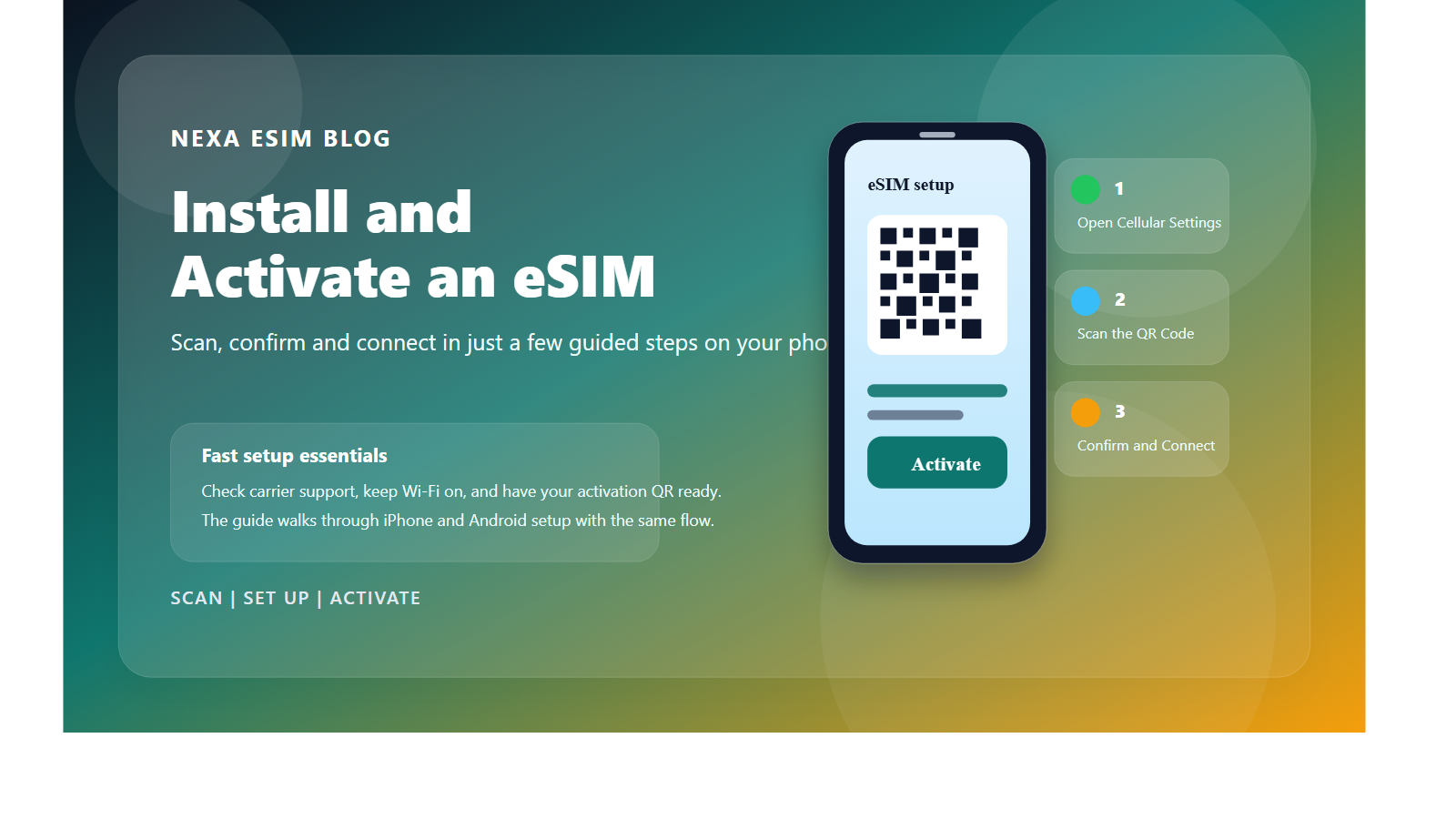
Once you've selected a plan, follow the activation instructions provided. This usually involves scanning a QR code with your smartphone's camera to install the eSIM profile. Ensure you have a stable internet connection during setup. If you encounter issues, refer to our eSIM installation guide for step-by-step help. Buying in advance not only saves time but also guarantees connectivity upon arrival, making your Israel journey smoother.

Traveler using smartphone with eSIM QR code activation at Ben Gurion Airport
Buy and activate your Israel eSIM online for instant connectivity at airports like Ben Gurion.

FAQ

What is the best eSIM for Israel travel?

The best eSIM depends on your needs. For most tourists, plans from major carriers like Partner offer good coverage and speed. For budget options, consider MVNOs, but prioritize reliability with our Israel eSIM packages.

Can I buy an eSIM for Israel travel before arriving?

Yes, you can purchase and activate an eSIM online before your trip. This ensures you're connected as soon as you land, avoiding the need to visit a local store.

Is there unlimited data eSIM for travel in Israel?

Yes, many providers offer unlimited data plans, ideal for heavy users or digital nomads. Check our global eSIM catalog for options that include Israel.

What should I consider for cheap eSIM for Israel travel?

Look for plans with sufficient data for your usage, and compare prices across providers. MVNOs can be cheaper, but ensure they have adequate coverage for your itinerary.

How do I set up an eSIM for Israel tourist use?

After purchase, you'll receive a QR code to scan with your smartphone. Follow the on-screen instructions to activate. For detailed steps, see our installation guide.

Is eSIM good for backpacking Israel?

Absolutely. eSIMs are convenient for backpackers, as they eliminate physical SIM swaps and allow easy management of data plans while exploring diverse regions.

Which network is best for digital nomads in Israel?

Carriers like Cellcom or Partner with strong 5G in cities are excellent for digital nomads, offering fast and stable connections for remote work.

Share this article
Traveling soon? Get an eSIM for 200+ countries with instant delivery.
Browse Plans