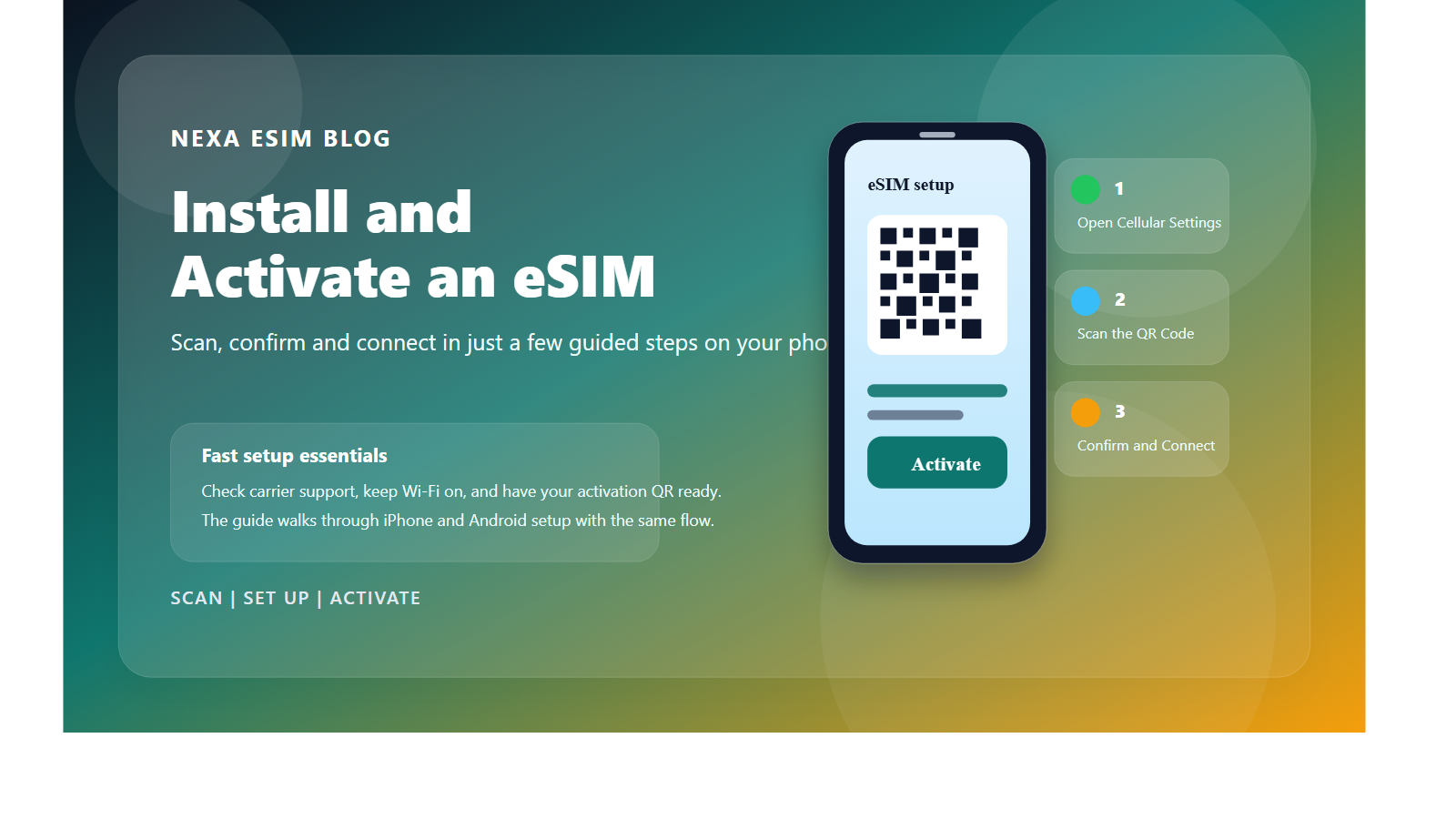
Discover how to stay connected in Namibia with an eSIM. This guide covers the best eSIM options for Namibia travel, network coverage, must-visit places, and essential connectivity tips for tourists, digital nomads, and backpackers.
Quick Answer
For travelers heading to Namibia, an eSIM is the most convenient way to stay connected. It allows you to activate a local data plan instantly without needing a physical SIM card. The best eSIM for Namibia travel typically offers good coverage from major carriers like MTC and Telecom Namibia, with options ranging from 1GB to unlimited data plans. For most tourists, a 5-10GB plan over 7-10 days is sufficient, but heavy users or digital nomads might prefer larger or unlimited data packages. You can buy an eSIM for Namibia travel online before your trip and activate it upon arrival. Check out our global eSIM packages for options that include Namibia.
Why Choose eSIM for Namibia?
Namibia's vast landscapes, from the Namib Desert to Etosha National Park, mean connectivity can be patchy in remote areas. An eSIM simplifies staying connected by eliminating the need to hunt for a physical SIM card upon arrival. With an eSIM, you can download a data plan before you land, ensuring you have internet access from the moment you step off the plane. This is especially useful for navigating Windhoek's streets, sharing photos of Sossusvlei's dunes, or using maps in more isolated regions. eSIMs also support multiple profiles, so you can keep your home number active while using a local data plan—ideal for digital nomads or those needing to stay in touch with family back home. For backpackers, it's a lightweight, hassle-free solution that avoids the risk of losing a tiny SIM card in the desert sands.
Major Mobile Carriers in Namibia
Namibia's mobile network is dominated by two main carriers: MTC and Telecom Namibia (TN Mobile). MTC is the largest provider, offering extensive coverage across urban and many rural areas. Telecom Namibia, while smaller, provides competitive services, especially in certain regions. Both carriers support 4G/LTE and are rolling out 5G in major cities like Windhoek and Swakopmund. Understanding these carriers helps you choose the right eSIM plan, as most eSIM providers partner with one or both to offer data services. For tourists, MTC often has the edge due to its broader reach, but TN Mobile can be a good alternative in specific areas.
Network Speed & Coverage Comparison
Network performance in Namibia varies by location. In cities and towns, you can expect reliable 4G speeds suitable for streaming, video calls, and social media. In remote areas like the Skeleton Coast or parts of the Kalahari, coverage may drop to 3G or even 2G, limiting data-intensive activities. MTC generally offers faster speeds and more consistent coverage, especially in tourist hotspots like Etosha and Sossusvlei. Telecom Namibia's network is improving but may have slower speeds in some rural zones. When selecting an eSIM, look for plans that leverage MTC's network for the best overall experience, though some providers offer multi-network access for broader coverage.
| Carrier | Coverage | Speed | 5G | Best For |
|---|---|---|---|---|
| MTC | Extensive, best in urban and many rural areas | Fast 4G, reliable in cities | Available in Windhoek and major towns | Tourists, digital nomads, general travel |
| Telecom Namibia (TN Mobile) | Good in urban areas, limited in remote regions | Moderate 4G, can be slower in rural zones | Limited rollout in select cities | Budget travelers, specific regional use |
Which Network is Best for Tourists?
For most tourists visiting Namibia, MTC is the best network due to its superior coverage and speed. It ensures connectivity in key destinations like Windhoek, Swakopmund, Etosha National Park, and the Namib-Naukluft Park. If you're on a tight budget or traveling primarily in areas where TN Mobile has strong presence, it could be a viable option, but be prepared for potential gaps in remote spots. When buying an eSIM for Namibia travel, opt for plans that prioritize MTC's network to maximize your chances of staying online. This is especially important for activities like uploading photos from your safari or using GPS on self-drive adventures.
Must-Visit Places in Namibia
Namibia is a land of dramatic contrasts, offering unforgettable experiences for every traveler. Start in Windhoek, the capital, where you can explore its German-colonial architecture and vibrant markets. Head to Sossusvlei in the Namib Desert to witness the world's tallest sand dunes, perfect for sunrise photography. Etosha National Park is a wildlife enthusiast's paradise, home to elephants, lions, and rhinos. For coastal beauty, visit Swakopmund for adventure sports and the Skeleton Coast for its eerie shipwrecks. Don't miss Fish River Canyon, the second-largest canyon globally, for hiking and stunning vistas. An eSIM keeps you connected to share these moments and navigate safely between these destinations.
Connectivity Tips for Travelers
To make the most of your eSIM in Namibia, follow these practical tips. First, download your eSIM and any offline maps before arriving, as airport Wi-Fi can be unreliable. In remote areas like the Kaokoveld or Caprivi Strip, expect limited service and plan accordingly by saving important information offline. Use data-saving modes on your device to extend your plan's life, especially if you have a limited data package. For digital nomads, consider an eSIM with unlimited data or large allowances to support work needs, but be aware that speeds may slow in rural zones. Always carry a power bank, as charging opportunities can be scarce on long drives. If you encounter issues, refer to our eSIM installation guide for troubleshooting steps.
Weather & Travel Seasons
Namibia's climate is generally arid, with distinct seasons affecting travel plans. The dry season (May to October) is peak tourist time, offering cool temperatures and excellent wildlife viewing, especially in Etosha. The wet season (November to April) brings heat and occasional rains, making some roads impassable but showcasing lush landscapes. Coastal areas like Swakopmund are cooler year-round due to the Benguela Current. Your eSIM usage might vary by season—during the dry season, you'll likely be more active outdoors, using data for navigation and photos, while the wet season might see more indoor internet use if rains disrupt plans.
Best Month for Travel
The best month for travel to Namibia depends on your preferences, but many experts recommend June to August. During these months, temperatures are mild, wildlife congregates around waterholes in Etosha, and the risk of rain is low. This period aligns with high tourist traffic, so booking accommodations and eSIM plans in advance is wise. For those seeking solitude, September and October offer similar conditions with fewer crowds. An eSIM is essential year-round, but in peak months, having reliable data helps manage bookings and share experiences in real-time.
eSIM Data Plan Recommendation
Choosing the right eSIM data plan for Namibia depends on your travel duration and usage habits. For light users who mainly need maps and occasional social media, smaller plans suffice. Heavy users or digital nomads streaming videos or working online should opt for larger or unlimited data options. Below is a general recommendation table based on typical tourist needs. Consider that network speeds may vary, so adjust if you plan extensive data use in remote areas. For a wide selection, browse our eSIM packages for global travel.
| Travel Days | Usage Type | Recommended Data |
|---|---|---|
| 3 days | Light (maps, messaging) | 1-2 GB |
| 5 days | Moderate (social media, photos) | 3-5 GB |
| 7 days | Heavy (streaming, video calls) | 5-10 GB |
| 10 days | Very Heavy (digital nomad work) | 10+ GB or unlimited |
Heavy vs Light Users
Understanding your data needs is key to selecting the best eSIM for Namibia travel. Light users typically stick to essential apps like Google Maps, WhatsApp, and occasional photo uploads—a plan with 1-5GB over a week is usually enough. Heavy users, including digital nomads or those who stream videos, upload high-resolution photos, or make frequent video calls, should consider plans with 10GB or more, or even unlimited data. Keep in mind that unlimited data eSIMs for Namibia travel might have fair usage policies, slowing speeds after a certain threshold. For backpackers, balancing cost and data is crucial; look for cheap eSIM options that offer good value without compromising coverage.
Buy eSIM for Namibia
Buying an eSIM for Namibia travel is straightforward. Start by researching providers that offer plans covering Namibia, focusing on those with good reviews and support for MTC's network. Purchase online before your trip to ensure instant activation upon arrival. Look for flexible options that allow top-ups if you run out of data. For budget-conscious travelers, compare prices to find cheap eSIM for Namibia travel, but avoid sacrificing reliability. Digital nomads might prefer eSIMs with unlimited data or high allowances. Once bought, follow the provider's instructions to install the eSIM on your compatible device. For a hassle-free experience, consider packages that include multiple countries if you're also visiting neighboring regions like South Africa or Botswana.
FAQ
What is the best eSIM for Namibia travel?
The best eSIM for Namibia travel typically offers good coverage through MTC's network, with flexible data plans ranging from 1GB to unlimited. Look for providers with positive user feedback and options tailored to tourists, such as plans valid for 7-30 days.
Can I buy an eSIM for Namibia as a tourist?
Yes, tourists can easily buy an eSIM for Namibia travel online before their trip. Ensure your device is eSIM-compatible (most newer smartphones are) and follow the activation steps provided by the eSIM provider upon arrival in Namibia.
Is there an eSIM with unlimited data for Namibia?
Yes, some providers offer eSIMs with unlimited data for Namibia travel, ideal for heavy users or digital nomads. However, check for fair usage policies that may reduce speeds after a certain data threshold, especially in peak times.
How do I use an eSIM for backpacking Namibia?
For backpacking Namibia, purchase an eSIM with sufficient data for your itinerary, considering remote areas with limited coverage. Install it before you go, use data-saving features, and carry a power bank. It's a convenient way to stay connected without the hassle of physical SIMs.
What is a cheap eSIM for Namibia travel?
A cheap eSIM for Namibia travel can be found by comparing plans from different providers, opting for smaller data packages if you're a light user. Look for discounts or bundled offers, but ensure the plan includes reliable network coverage to avoid connectivity issues.
Which network is better for an eSIM in Namibia: MTC or Telecom Namibia?
MTC is generally better for an eSIM in Namibia due to its wider coverage and faster speeds, especially in tourist areas. Telecom Namibia can be a budget alternative but may have gaps in remote regions.
How much data do I need for a 10-day trip to Namibia?
For a 10-day trip to Namibia, moderate users might need 5-10GB, while heavy users or digital nomads should consider 10+ GB or unlimited data. Adjust based on your planned activities, such as streaming or extensive photo uploads.