Discover how to stay connected in Morocco with an eSIM. This guide covers the best eSIM options for tourists, network comparisons, must-visit places, and practical connectivity tips for a seamless travel experience.
Traveling to Morocco offers an unforgettable blend of ancient medinas, vibrant souks, and stunning landscapes, from the Sahara Desert to the Atlas Mountains. Staying connected is essential for navigating, sharing experiences, and staying in touch. An eSIM provides a modern, hassle-free solution for mobile data in Morocco, eliminating the need for physical SIM cards and allowing you to stay online from the moment you land. This guide, based on extensive travel expertise, will help you choose the best eSIM for Morocco travel, compare local networks, and optimize your connectivity for an enriching journey.
Quick Answer
For most tourists visiting Morocco, the best eSIM option is a regional or Morocco-specific plan from a reputable global provider like Nexa eSIM, offering good coverage across major carriers like Maroc Telecom, Orange Morocco, and Inwi. These eSIMs are easy to set up before you travel, provide competitive data packages, and work seamlessly with unlocked eSIM-compatible devices. For short trips, a 3-5 GB plan is sufficient for light use, while digital nomads or heavy users should consider 10 GB or unlimited data options. Key tips: ensure your phone is unlocked, download your eSIM profile before departure, and toggle data roaming on upon arrival for instant connectivity.
Why Choose eSIM for Morocco Travel
Choosing an eSIM for Morocco travel simplifies your connectivity needs significantly. Unlike traditional SIM cards, an eSIM is embedded digitally in your device, allowing you to activate a data plan without visiting a local store or handling physical chips. This is especially convenient in Morocco, where airport kiosks can be crowded and language barriers might arise. With an eSIM, you can purchase and install your plan online before your trip, ensuring you have internet access immediately upon landing at airports like Casablanca Mohammed V or Marrakech Menara. It's also ideal for multi-country itineraries, as you can manage multiple profiles on one device. For tourists and digital nomads, this means more time exploring and less time dealing with logistics.
Major Mobile Carriers in Morocco
Morocco has three primary mobile network operators: Maroc Telecom, Orange Morocco, and Inwi. Each offers extensive coverage but with variations in speed and reliability, particularly in rural areas. Maroc Telecom, as the incumbent operator, has the widest coverage, including remote regions like the Sahara and High Atlas. Orange Morocco, part of the global Orange Group, provides strong urban coverage and competitive data speeds. Inwi is known for affordable plans and good service in cities and towns. Understanding these carriers helps in selecting an eSIM that partners with the best network for your travel route, whether you're backpacking through Chefchaouen or working remotely in Casablanca.
Network Speed & Coverage Comparison
Network performance in Morocco varies by location and carrier. In major cities like Marrakech, Casablanca, and Rabat, all three carriers offer 4G/LTE and expanding 5G coverage, with speeds suitable for streaming, video calls, and browsing. Rural areas, such as the desert or mountain villages, may have slower 3G or limited 4G, where Maroc Telecom often has an edge due to its broader infrastructure. For tourists, consistent connectivity in popular destinations is key, so choosing an eSIM that leverages these networks optimally is crucial. Below is a comparison table to guide your decision.
| Carrier | Coverage | Speed | 5G | Best For |
|---|---|---|---|---|
| Maroc Telecom | Excellent nationwide, best in rural areas | Fast in cities, moderate in remote zones | Available in major cities | Tourists exploring off-the-beaten-path like the Sahara or Atlas Mountains |
| Orange Morocco | Strong in urban and suburban regions | High-speed in metropolitan areas | Rolling out in key cities | City travelers and digital nomads needing reliable data in hubs like Casablanca |
| Inwi | Good in cities and towns, weaker in very remote areas | Competitive in urban centers | Limited availability | Budget-conscious travelers staying in popular tourist spots like Marrakech or Fes |
Which Network is Best for Tourists?
For most tourists, an eSIM that uses Maroc Telecom or Orange Morocco is ideal due to their balance of coverage and speed. If your itinerary includes cities like Marrakech, Fes, and Casablanca, Orange Morocco offers robust performance for navigation and social media. For adventures into the desert or mountains, Maroc Telecom provides more reliable service. Many global eSIM providers, such as those offering plans for multiple countries, partner with these carriers to ensure good connectivity. As a tourist, prioritize coverage over absolute speed, especially if venturing beyond urban centers. Testing your eSIM upon arrival in a city can help confirm performance before heading to remote areas.
Must-Visit Places in Morocco
Morocco is rich with destinations that blend history, culture, and natural beauty. In Marrakech, explore the bustling Jemaa el-Fnaa square and the serene Majorelle Garden. Fes offers a deep dive into medieval architecture with its ancient medina and tanneries. For coastal charm, visit Essaouira or the blue streets of Chefchaouen. The Sahara Desert near Merzouga provides unforgettable camel treks and stargazing. In the Atlas Mountains, trek to villages like Imlil for stunning views. Each location benefits from connectivity: use your eSIM to map medina alleys, book desert tours, or share photos of vibrant markets.
Connectivity Tips for Travelers
To maximize your eSIM experience in Morocco, follow these practical tips. First, ensure your smartphone is unlocked and eSIM-compatible; most modern iPhones and Android devices support this. Purchase and install your eSIM profile before leaving home to avoid reliance on airport Wi-Fi. Upon arrival, enable data roaming in your settings—this is necessary for eSIMs to connect to local networks. Use Wi-Fi in hotels or cafes for data-heavy tasks to conserve your eSIM data. For backup, consider downloading offline maps via apps like Google Maps. If issues arise, consult the eSIM installation guide for troubleshooting. These steps ensure seamless connectivity, whether you're a tourist or a digital nomad working remotely.
Weather & Travel Seasons
Morocco's weather varies by region and season, impacting travel plans and connectivity needs. Coastal areas like Casablanca and Essaouira have mild, Mediterranean climates, while inland cities like Marrakech experience hot summers and cool winters. The Sahara Desert is extremely hot in summer and cold at night in winter. The best travel seasons are spring (March to May) and autumn (September to November), offering pleasant temperatures and fewer crowds. During peak summer or winter, network coverage in extreme areas might be less consistent due to weather conditions, but eSIMs generally perform well year-round. Plan your data usage accordingly, with more reliance on connectivity in comfortable seasons for outdoor activities.
Best Month for Travel
April is often considered the best month to visit Morocco, combining mild weather, blooming landscapes, and vibrant festivals like the Rose Festival in the Dades Valley. During this time, connectivity is reliable across most regions, making it ideal for using an eSIM to share spring scenes or coordinate travel. Other good months include October, with comfortable temperatures for exploring cities and deserts. Avoid July and August if possible, as extreme heat can limit outdoor activities and affect device performance. Regardless of when you travel, an eSIM ensures you stay connected to check weather updates or book last-minute accommodations.
eSIM Data Plan Recommendation
Choosing the right eSIM data plan depends on your travel duration and usage habits. For light users who mainly browse, use maps, and send messages, a smaller data package suffices. Heavy users streaming videos, making video calls, or working online will need more data. Below is a recommendation table based on typical tourist needs. Consider exploring various eSIM packages to find one that matches your itinerary, whether you're backpacking on a budget or seeking unlimited data for digital nomad work.
| Travel Days | Usage Type | Recommended Data |
|---|---|---|
| 3 days | Light (maps, messaging) | 1-2 GB |
| 5 days | Moderate (social media, browsing) | 3-5 GB |
| 7 days | Heavy (streaming, video calls) | 5-10 GB |
| 10 days | Very heavy or unlimited needs | 10+ GB or unlimited |
Heavy vs Light Users
Understanding your data usage is key to selecting an eSIM plan. Light users typically engage in activities like navigation, messaging, and occasional social media browsing—this suits tourists on short trips or those who rely on Wi-Fi. For example, a 3-day backpacking trip might only need 1-2 GB. Heavy users, such as digital nomads or travelers streaming content, should opt for larger plans, like 10 GB or unlimited data, to avoid throttling or extra charges. In Morocco, network speeds support both, but heavy users may prefer carriers like Orange Morocco in cities for faster streaming. Assess your habits before buying; many eSIM providers offer flexible top-ups if you run low.
Buy eSIM for Morocco Travel
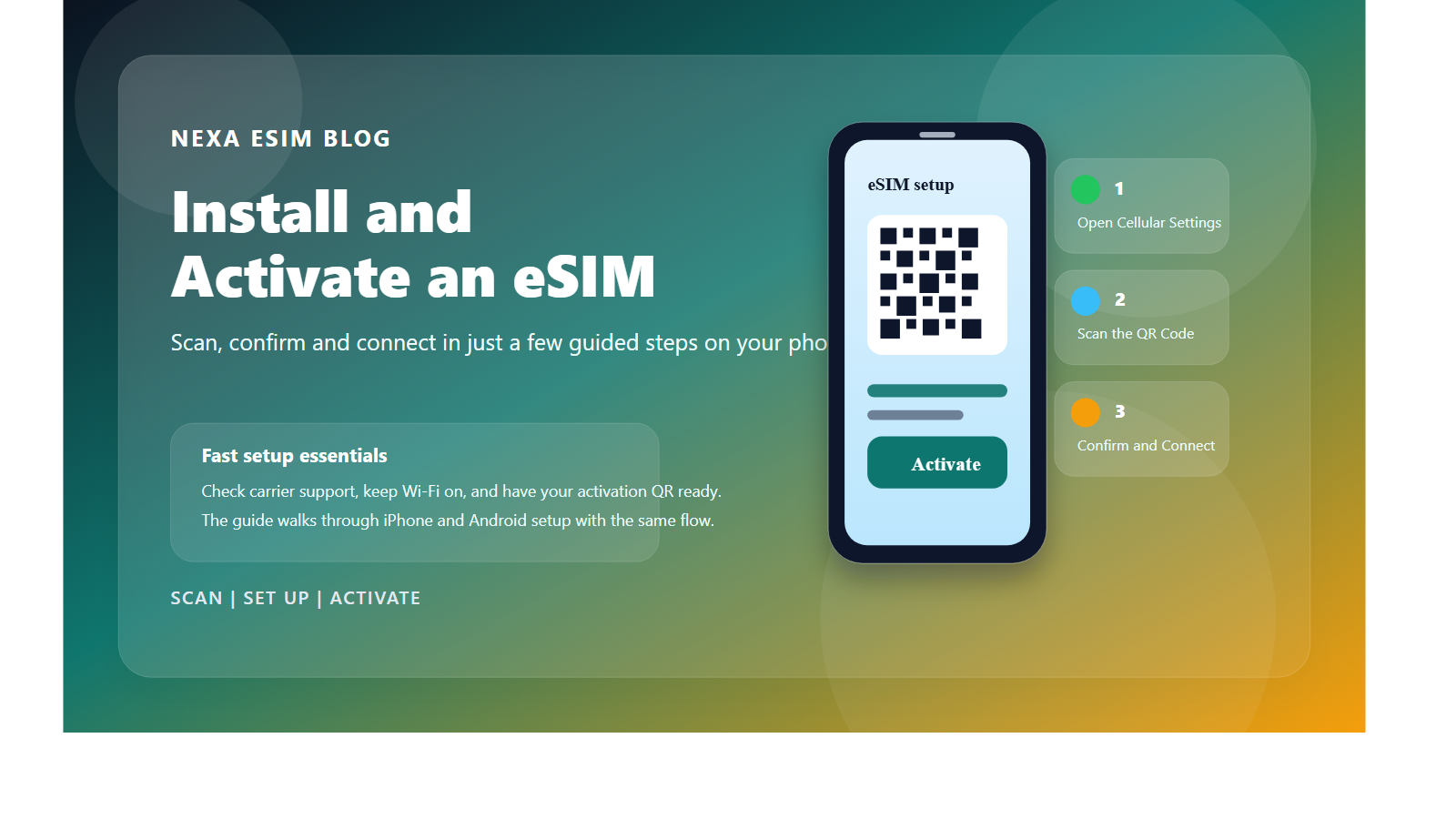
To buy an eSIM for Morocco travel, start by researching reputable providers that offer plans tailored to Morocco or regional coverage. Look for options that include networks like Maroc Telecom or Orange Morocco for reliable service. Purchase online through the provider's website, ensuring your device is compatible. Installation is straightforward: you'll receive a QR code to scan, which adds the eSIM profile to your phone. Activate it before or upon arrival in Morocco. For the best value, compare packages based on data allowance, duration, and price. Global eSIM catalogs often feature competitive deals, including cheap eSIMs for budget travelers or unlimited data for those needing constant connectivity.
FAQ
What is the best eSIM for Morocco travel?
The best eSIM for Morocco travel depends on your needs. For most tourists, a plan from a global provider like Nexa eSIM that uses Maroc Telecom or Orange Morocco offers good coverage and speed. Look for packages with adequate data for your trip duration, whether it's a cheap option for light use or an unlimited data plan for digital nomads.
How do I buy an eSIM for Morocco?
You can buy an eSIM for Morocco online from providers that support the country. Visit their website, select a Morocco-specific or regional plan, complete the purchase, and you'll receive installation instructions via email. Ensure your phone is unlocked and eSIM-compatible before buying.
Is an eSIM good for backpacking in Morocco?
Yes, an eSIM is excellent for backpacking in Morocco. It eliminates the need to find physical SIM cards in remote areas, provides instant connectivity upon arrival, and allows easy management of data across different regions. Choose a plan with good rural coverage, like one using Maroc Telecom, for the best experience.
Can I get unlimited data with an eSIM in Morocco?
Yes, some providers offer eSIMs with unlimited data for Morocco travel. These are ideal for heavy users, such as digital nomads or those streaming content. However, check for fair usage policies, as speeds may be throttled after a certain limit. Compare options to find a suitable unlimited plan.
What should I do if my eSIM doesn't work in Morocco?
If your eSIM doesn't work, first ensure data roaming is enabled in your phone settings. Restart your device and try manually selecting a network (e.g., Maroc Telecom). If issues persist, contact your eSIM provider's support for assistance. Having a backup plan, like a local SIM, can be useful but is rarely needed with reliable eSIMs.