Discover the best eSIM options for Kenya travel, from major carriers to data plans. Get expert tips on coverage, connectivity, and must-visit destinations for a seamless digital experience.
Quick Answer
For Kenya travel, an eSIM from Safaricom offers the best overall coverage and speed, especially in national parks and urban areas. Tourists should consider a 5-10 GB data plan for a week-long trip, depending on usage. Purchase your eSIM before arrival through reliable providers like our global eSIM catalog for instant activation. Key destinations like Maasai Mara and Nairobi have strong 4G/5G networks, making connectivity seamless for navigation, social media, and remote work.
Why Choose eSIM for Kenya Travel
Traveling to Kenya with an eSIM simplifies connectivity by eliminating the need for physical SIM cards. You can activate your plan before landing, avoiding queues at airport kiosks and ensuring immediate internet access upon arrival. eSIMs are particularly advantageous for Kenya's diverse landscapes—from bustling Nairobi to remote safari lodges—as they allow easy switching between local networks for optimal coverage. For digital nomads and backpackers, this means reliable data for mapping, booking tours, and staying in touch without roaming fees. Additionally, eSIMs support multiple profiles, so you can keep your home number active while using a local data plan.
Major Mobile Carriers in Kenya
Kenya's telecom market is dominated by three main carriers, each offering extensive services tailored to different needs. Safaricom is the largest, known for its widespread coverage and innovative mobile money service, M-Pesa. Airtel Kenya provides competitive pricing and growing network infrastructure, while Telkom Kenya focuses on value-driven plans. These carriers support eSIM technology, making them accessible for international travelers. When selecting an eSIM, consider network reliability in your specific travel regions, as coverage can vary between urban centers and rural areas.
Network Speed & Coverage Comparison
| Carrier | Coverage | Speed | 5G | Best For |
|---|---|---|---|---|
| Safaricom | Excellent nationwide, including parks | Fast 4G/LTE, 5G in cities | Yes (Nairobi, Mombasa) | Tourists, safari-goers, remote work |
| Airtel Kenya | Good in urban areas, moderate in rural | Reliable 4G, expanding 5G | Limited rollout | Budget travelers, city explorers |
| Telkom Kenya | Decent in major cities, limited elsewhere | Moderate 4G, slower in remote zones | No | Short-term visitors, light data users |
Which Network is Best for Tourists?
For most tourists, Safaricom is the top choice due to its unparalleled coverage in key travel destinations like Maasai Mara, Amboseli, and coastal regions. Its network ensures consistent connectivity for GPS navigation, uploading safari photos, and using apps like M-Pesa for payments. Airtel Kenya is a solid alternative for those staying primarily in cities like Nairobi or Mombasa, offering cheaper data plans. If you're on a tight budget and plan minimal data usage, Telkom Kenya might suffice, but be prepared for potential gaps in remote areas. Regardless of choice, verify eSIM compatibility with your device before purchase.
Must-Visit Places in Kenya
Kenya's attractions range from wildlife reserves to vibrant cities, all with varying connectivity levels. The Maasai Mara National Reserve offers incredible safari experiences with decent Safaricom coverage for sharing moments online. Amboseli National Park, known for elephant herds against Mount Kilimanjaro, has spotty but usable networks. Coastal destinations like Mombasa and Diani Beach provide strong 4G/5G for beachgoers and digital nomads. Nairobi, the capital, boasts excellent connectivity, ideal for visiting the Giraffe Centre or working remotely from cafes. For backpackers, Lake Nakuru and Hell's Gate National Park offer scenic hikes with moderate network access.
Connectivity Tips for Travelers
To maximize your eSIM experience in Kenya, download offline maps and essential apps before arrival, as network speeds can fluctuate in remote areas. Use Wi-Fi at hotels or cafes in cities to conserve data. For payments, leverage M-Pesa via Safaricom's network—it's widely accepted and reduces cash reliance. If you encounter connectivity issues, manually switch networks in your device settings to find the strongest signal. Digital nomads should consider dedicated eSIM plans for Kenya with higher data allowances for video calls and cloud work. Always keep a power bank handy, as network searching can drain battery life.
Weather & Travel Seasons
Kenya's climate influences travel plans and connectivity. The dry seasons (June-October and January-February) offer the best weather for safaris and outdoor activities, with clearer skies and reliable network signals in parks. The rainy seasons (March-May and November-December) can cause travel disruptions and occasional network outages in rural areas due to storms. Coastal regions remain warm year-round, but humidity might affect device performance. Plan your eSIM usage accordingly—during peak travel times, networks may be congested, so opt for plans with robust data allowances.
Best Month for Travel
July to September is ideal for Kenya travel, combining pleasant weather, minimal rainfall, and optimal wildlife viewing in places like Maasai Mara. During this period, network coverage is generally stable, enhancing your eSIM experience for navigation and communication. January and February also offer great conditions with fewer crowds. Avoid heavy rainy months like April if you rely heavily on connectivity for remote work, as infrastructure can be less reliable. Regardless of timing, book your eSIM in advance to secure the best rates and ensure activation before your trip.
eSIM Data Plan Recommendation
| Travel Days | Usage Type | Recommended Data |
|---|---|---|
| 3 days | Light (maps, messaging) | 1-2 GB |
| 5 days | Moderate (social media, browsing) | 3-5 GB |
| 7 days | Heavy (streaming, remote work) | 7-10 GB |
| 10 days | Mixed (safari, city exploration) | 10-15 GB |
Heavy vs Light Users
Heavy users, such as digital nomads or content creators, should opt for larger data plans (10 GB or more) to support video calls, cloud uploads, and streaming. Consider eSIMs with unlimited data options for Kenya if available, though fair usage policies may apply. Light users, including typical tourists, can manage with 3-5 GB for a week, focusing on navigation, social updates, and occasional browsing. Backpackers often fall in between, needing moderate data for booking accommodations and sharing experiences. Assess your daily habits—e.g., an hour of video streaming uses about 1 GB—to choose wisely.
Buy eSIM for Kenya
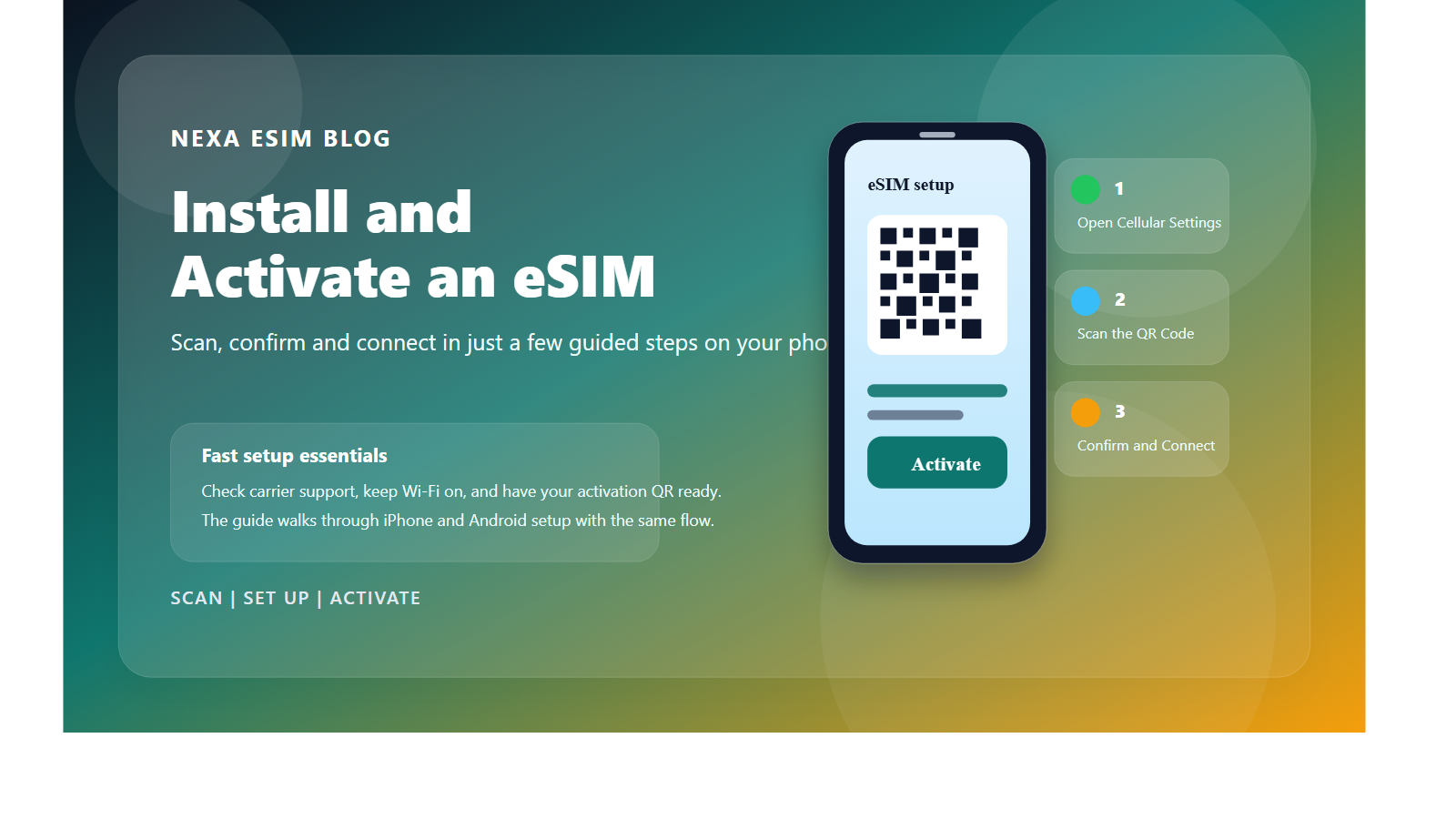
Purchasing an eSIM for Kenya is straightforward through online providers. Look for plans that offer coverage on Safaricom or Airtel networks for the best experience. Compare prices and data allowances to find cheap eSIM options for Kenya travel, but prioritize reliability over cost. Ensure your device is eSIM-compatible and unlocked. After purchase, you'll receive a QR code for activation—scan it before departure or upon arrival for instant connectivity. For assistance, refer to our eSIM installation guide. Buying in advance avoids last-minute hassles and often includes better customer support.
FAQ
What is the best eSIM for Kenya travel?
Safaricom-based eSIMs are generally best due to extensive coverage, especially in tourist hotspots like national parks and cities.
Can I buy an eSIM for Kenya as a tourist?
Yes, tourists can easily purchase eSIMs online before or during their trip, with activation typically requiring just a QR code scan.
Is there unlimited data eSIM for Kenya travel?
Some providers offer unlimited data eSIMs for Kenya, but check for fair usage limits and network compatibility to avoid throttling.
How do I use an eSIM for backpacking in Kenya?
Choose a plan with enough data for navigation and communication, activate it before heading to remote areas, and use Wi-Fi when possible to conserve data.
Which network is cheapest for eSIM in Kenya?
Airtel Kenya often provides cheaper data plans, but Safaricom may offer better value for coverage in key travel destinations.
Do I need 5G for Kenya travel?
5G is available in major cities like Nairobi but not essential; 4G/LTE networks suffice for most tourist activities and provide reliable speeds.
Can digital nomads use eSIM in Kenya?
Absolutely, eSIMs are ideal for digital nomads, offering flexible data plans and strong connectivity in urban centers for remote work.