Discover how to stay connected in Cuba with an eSIM. This comprehensive guide covers the best eSIM options for tourists, digital nomads, and backpackers, including network comparisons, data plan recommendations, and essential travel tips for seamless connectivity across Havana, Varadero, and beyond.
Quick Answer
For travelers heading to Cuba, an eSIM is the most convenient way to stay connected. The best eSIM for Cuba travel typically offers coverage through ETECSA (Cuba's state-owned telecom), with plans ranging from 1GB to unlimited data options. For most tourists, a 5-10GB plan for 7-10 days works well, while digital nomads might prefer larger or unlimited data packages. You can buy eSIM for Cuba travel online before your trip and activate it upon arrival. For a wide selection of plans, check out our global eSIM catalog.
Why Choose eSIM for Cuba Travel?
Traveling to Cuba presents unique connectivity challenges, making eSIMs an ideal solution. Unlike physical SIM cards that require visiting a local ETECSA office (which can involve long queues and paperwork), eSIMs allow you to purchase and install a data plan digitally before you even land. This is particularly valuable in Cuba where internet access points can be limited outside major tourist areas. With an eSIM, you'll have immediate access to mobile data for navigation, translation apps, and staying in touch with loved ones. For backpackers and digital nomads, this means you can work remotely from Havana's cafes or Varadero's beaches without worrying about finding Wi-Fi hotspots. The convenience of managing your plan through an app and avoiding SIM card swaps makes eSIMs the smart choice for modern travelers to Cuba.
Major Mobile Carriers in Cuba
Cuba has one primary mobile network operator: ETECSA (Empresa de Telecomunicaciones de Cuba S.A.). As the state-owned telecommunications company, ETECSA operates all mobile services across the island. While there are no competing carriers, ETECSA offers various prepaid plans under the brand "Nauta." Travelers should note that network infrastructure in Cuba is developing, with coverage strongest in urban areas like Havana, Santiago de Cuba, and Varadero, while rural regions may have limited service. Some international eSIM providers partner with ETECSA to offer data plans specifically for tourists, which often provide better value and easier activation than purchasing directly from ETECSA upon arrival.
Network Speed & Coverage Comparison
| Carrier | Coverage | Speed | 5G | Best For |
|---|---|---|---|---|
| ETECSA | Good in cities, limited in rural areas | 3G/4G LTE in urban centers | Not available | General tourists, urban explorers |
| International eSIM Providers | Same as ETECSA network | 3G/4G LTE depending on location | Not available | Digital nomads, backpackers, convenience seekers |
Note: Cuba currently does not have 5G networks available. Speeds vary significantly by location, with Havana and other major cities offering the most reliable 4G LTE connections, while smaller towns and countryside areas may only have 3G or slower service. Network congestion can occur during peak hours in tourist areas.
Which Network is Best for Tourists?
For tourists visiting Cuba, using an international eSIM provider that partners with ETECSA is generally the best option. These providers offer plans specifically designed for travelers, with easy online purchase and activation. This eliminates the need to navigate ETECSA offices in Cuba, where language barriers and documentation requirements can complicate the process. While the underlying network is the same (ETECSA), eSIM providers often bundle data at competitive rates and include helpful features like top-up options and customer support in multiple languages. For those seeking cheap eSIM for Cuba travel, comparing different provider plans can yield good value, especially for shorter trips. Digital nomads should look for providers offering larger data packages or unlimited options to support remote work needs.
Must-Visit Places in Cuba
Connectivity Tips for Travelers
Staying connected in Cuba requires some planning. First, ensure your phone is eSIM compatible and unlocked. Download offline maps and translation apps before arrival, as data speeds can be inconsistent. In cities, Wi-Fi is available in many hotels, restaurants, and public parks (often requiring purchase of Nauta cards), but an eSIM provides continuous access. For areas with weaker signals, consider disabling background app refresh and using data-saving modes. Digital nomads working remotely should schedule data-intensive tasks during off-peak hours for better speeds. Always have a backup power bank, as finding charging spots can be challenging while exploring. Following our eSIM installation guide ensures smooth setup.
Weather & Travel Seasons
Cuba has a tropical climate with two main seasons: dry (November to April) and wet (May to October). The dry season offers sunny days with lower humidity, ideal for beach activities and city exploration. The wet season brings higher temperatures, afternoon showers, and the possibility of hurricanes (peak August-October). Coastal areas like Varadero remain warm year-round, while inland regions like Viñales can be cooler in winter months. Regardless of season, an eSIM keeps you informed about weather updates and helps navigate any travel disruptions.
Best Month for Travel
The best months to visit Cuba are typically December through April, during the dry season. December and January offer pleasant temperatures but are peak tourist periods. February to April provides a good balance of weather and slightly smaller crowds. For budget travelers, May and November can be excellent with fewer tourists and lower prices, though there's higher rain chance in May. Whenever you visit, purchasing your eSIM in advance ensures you're connected from day one, whether you're exploring Havana's plazas or relaxing on Varadero's beaches.
eSIM Data Plan Recommendation
| Travel Days | Usage Type | Recommended Data |
|---|---|---|
| 3 days | Light (maps, messaging) | 1-2GB |
| 5 days | Moderate (social media, light browsing) | 3-5GB |
| 7 days | Regular (streaming music, frequent photos) | 5-7GB |
| 10 days | Heavy (video calls, remote work) | 10GB+ or unlimited |
These recommendations account for Cuba's network conditions where speeds may be slower than in other countries, potentially increasing data consumption for basic tasks. Adjust based on your specific needs—backpackers moving frequently between locations might need more data for navigation, while beach vacationers may use less.
Heavy vs Light Users
Buy eSIM for Cuba Travel
Purchasing an eSIM for Cuba is straightforward. Browse our eSIM catalog to compare plans from various providers. Look for plans specifically covering Cuba with clear pricing and validity periods. Many offer instant delivery via email or app. For the best value, consider: 1) Plan duration matching your trip length, 2) Data amount suiting your usage, and 3) Network reliability (all will use ETECSA). Installation involves scanning a QR code—complete this before departure or upon arrival at José Martí International Airport. For backpacking Cuba, choose a provider with easy top-up options in case you extend your stay. Remember that while you can buy eSIM for Cuba travel online, activation typically occurs when you connect to a Cuban network.
FAQ
What is the best eSIM for Cuba travel?
The best eSIM depends on your needs. For most tourists, a plan offering 5-10GB for 7-10 days provides good value. Digital nomads might prefer unlimited data options. Compare plans in our catalog to find one matching your itinerary and budget.
Can I get unlimited data eSIM for Cuba?
Yes, several providers offer unlimited data eSIM plans for Cuba travel. These are ideal for heavy users, remote workers, or those wanting peace of mind without data limits. Speeds may be reduced after certain usage thresholds, so check plan details.
Is eSIM better than local SIM in Cuba?
Yes, eSIMs are generally better for Cuba travel. They eliminate the need to visit ETECSA offices, offer easier activation, and often provide better value for tourists. You can purchase before arrival and activate immediately upon landing.
How do I activate eSIM in Cuba?
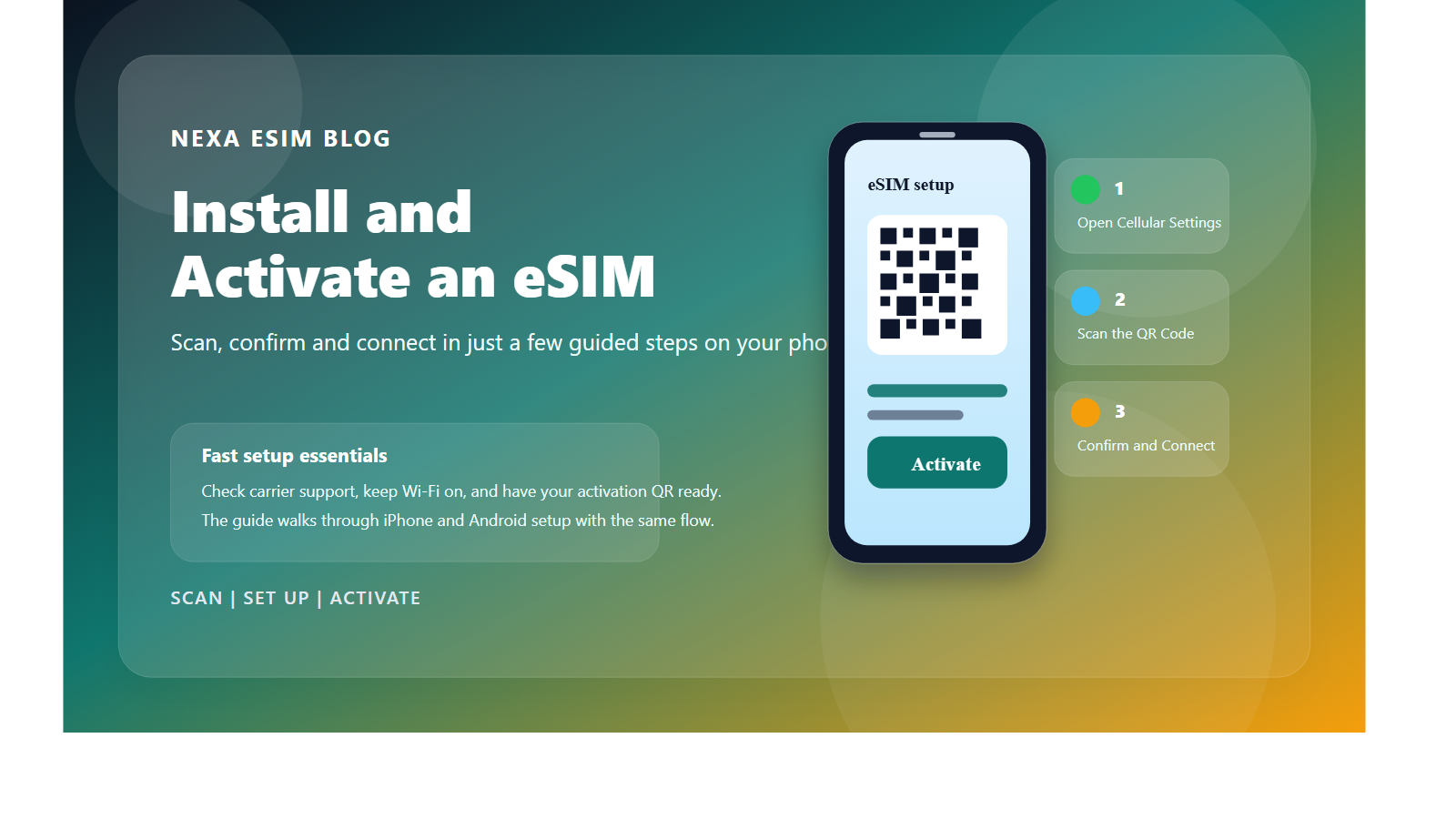
Activation is simple: purchase your plan online, receive a QR code via email or app, scan it in your phone's cellular settings, and follow prompts. The eSIM activates when you connect to ETECSA's network after arriving in Cuba.
What if my eSIM doesn't work in Cuba?
First, ensure you've properly installed the eSIM and enabled data roaming. If issues persist, contact your provider's customer support—most offer 24/7 assistance. Having a backup like offline maps is always wise when traveling.
Are there cheap eSIM options for Cuba?
Yes, budget-friendly eSIM plans exist, especially for shorter trips or light data usage. Look for plans with 1-3GB for 3-5 days. Comparing multiple providers helps find the most economical option for your needs.
Can digital nomads use eSIM in Cuba?
Absolutely. eSIMs are excellent for digital nomads in Cuba, offering reliable data for remote work. Opt for larger data packages or unlimited plans to support video calls, file transfers, and continuous connectivity while exploring the island.