Practical guide to buying and using a Bolivia eSIM for travel, comparisons of major carriers, recommended data plans for tourists and digital nomads, coverage, and purchase links.
Quick Answer
For Bolivia travel, an eSIM from a global provider with local partnering carriers is the simplest option. Buy an eSIM before you depart for instant activation on arrival, especially if you're flying into La Paz or Santa Cruz. For reliable coverage across cities and major tourist routes (La Paz, Uyuni, Sucre, Potosí, and Santa Cruz), prioritize plans that use Bolivia’s leading mobile operators (Entel, Tigo, Viva). Choose higher-data or unlimited options if you plan to stream, use navigation, or work remotely.
Why Choose eSIM for Bolivia
eSIMs remove the need for physical SIM cards at high-altitude border posts and crowded airports. They let you compare carriers, activate instantly, and maintain your home number on a secondary profile. For Bolivia tourist needs—maps, ride apps, photos uploads, and remote work—an eSIM provides convenience and often better short-term pricing than roaming from your home carrier.
Major Mobile Carriers in Bolivia
Bolivia’s mobile market is dominated by three operators you’ll encounter when using local eSIM roaming partnerships:
- Entel — State-backed operator with the broadest nationwide reach and best rural coverage.
- Tigo — Competitive urban coverage, strong in Santa Cruz and regional towns, good value data packages.
- Viva — Popular in cities and for budget-conscious tourists, solid urban LTE availability.
Network Speed & Coverage Comparison
| Carrier | Coverage | Speed | 5G | Best For |
|---|---|---|---|---|
| Entel | Nationwide, best rural reach | Good (strong LTE outside major cities) | Limited (pilot areas) | Long-distance travel, high-altitude rural access |
| Tigo | Strong urban & regional | Very good (fast LTE in cities) | Limited | Urban explorers, streaming in cities |
| Viva | Good in main cities | Good (urban LTE) | No | Budget tourists, short stays |
Which Network is Best for Tourists?
Entel is the best overall if your itinerary includes rural areas (Uyuni Salt Flat approach roads, remote highland villages). If you’ll be city-based—La Paz, Sucre, Santa Cruz—Tigo or Viva often offer the best value and urban speeds. For a safe balance, pick an international eSIM package that allows automatic fallback to Entel for coverage and Tigo/Viva for speed and price in cities.
Must-Visit Places in Bolivia
- Uyuni Salt Flats (Salar de Uyuni) — remote, high-value photo upload needs and offline navigation preparation.
- La Paz — city center, cable cars, and access to the Alto neighborhoods.
- Sucre — UNESCO heritage center with reliable urban coverage.
- Potosí — historic mining city; prepare for limited connectivity in surrounding highlands.
- Santa Cruz de la Sierra — Bolivia’s commercial hub with the best urban telecom options.
Connectivity Tips for Travelers
- Download offline maps (Google Maps, Maps.me) for highland routes and Uyuni tours.
- Carry a power bank—high-altitude cold drains batteries faster.
- Buy an eSIM before arrival to avoid language barriers and busy kiosks at airports—see live packages at /esim-bol and full region options at /allcountries.
- Enable data roaming only after activation to prevent accidental charges with other profiles.
- Use local SIM/eSIM top-ups for long trips; Entel shops and authorized resellers are available in major cities.
Weather & Travel Seasons
Bolivia’s climate varies by region. The dry season (May–October) is the most reliable for travel and sightseeing; roads and altiplano tours are more accessible. The wet season (November–March) can make rural routes to Uyuni and remote attractions difficult and may affect mobile towers’ accessibility in flooded or muddy areas.
Best Month for Travel
September–October is ideal: stable weather, fewer crowds than July–August, and clear skies for salt flats photography. For botanical and Amazon-region travel around Rurrenabaque, aim for the dry season months as well.
eSIM Data Plan Recommendation
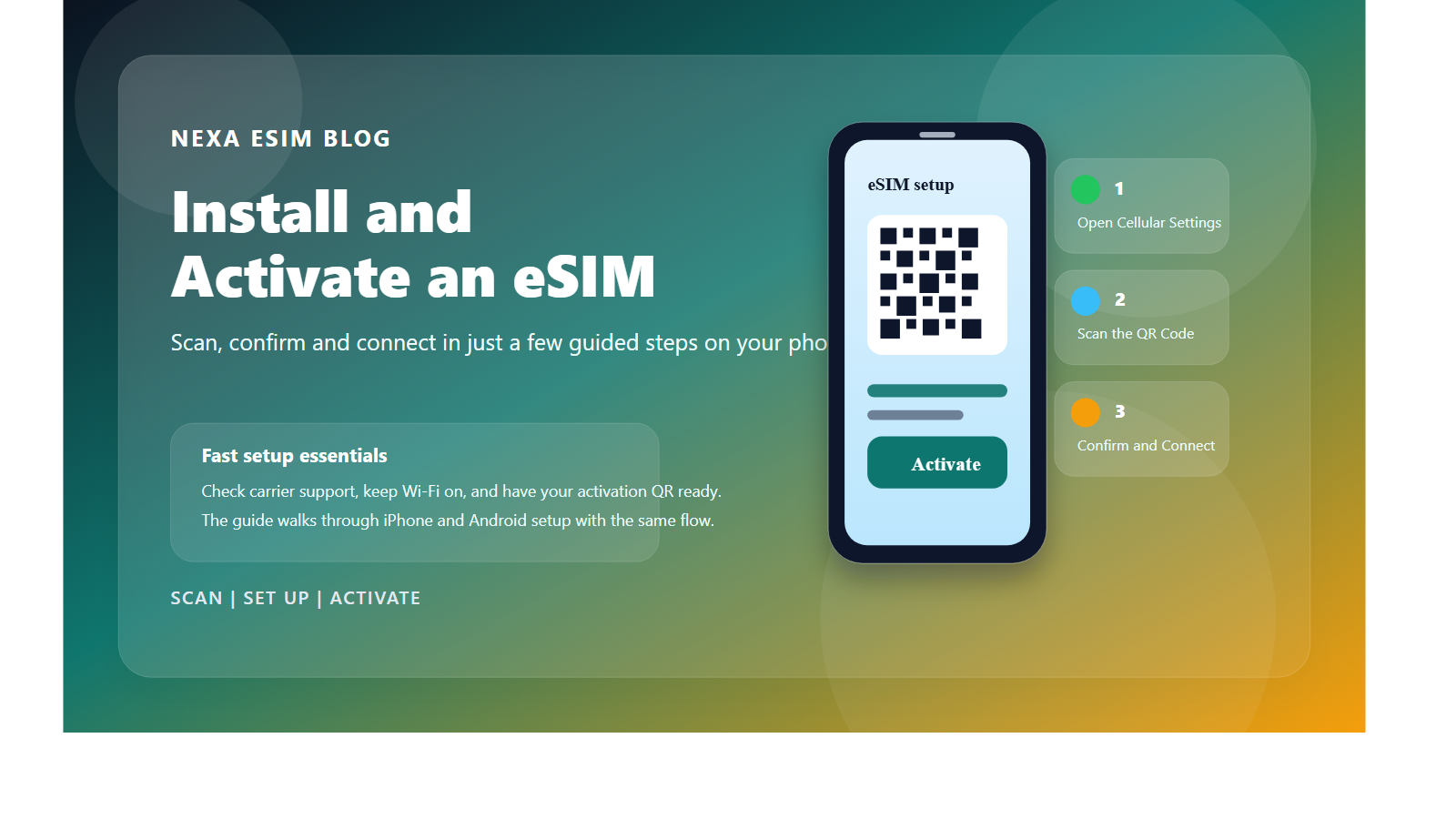
Choose a plan based on travel days and usage—photo uploads, navigation, streaming, or remote work. Below are practical recommendations for Bolivia travel eSIMs. If you need step-by-step activation help, consult the provider installation guide at /installation-guide.
| Travel Days | Usage Type | Recommended Data |
|---|---|---|
| 3 days | Light (maps, messaging, social) | 1–3 GB |
| 5 days | Moderate (photos, maps, occasional video) | 4–8 GB |
| 7 days | Heavy (daily uploads, streaming, remote work) | 10–20 GB (or unlimited for heavy streamers) |
| 10 days | Extended/staycation (nomad working & streaming) | 20+ GB or unlimited |
Heavy vs Light Users
Light users: pick small short-term plans (1–5 GB) to keep costs low. Moderate users: 6–15 GB balances price and convenience. Heavy users and digital nomads: choose plans labeled unlimited data or high-capacity bundles, or combine an eSIM for data with local Wi‑Fi at accommodations. For multi-week stays, look for refill/top-up options or multi-country eSIM packages for South America on /allcountries or specific offers at /esim-bol.
Buy eSIM for Bolivia
Purchase from reputable global eSIM vendors that list Bolivia packages with clear carrier fallbacks to Entel/Tigo/Viva. Compare activation windows, data caps, and whether the plan supports tethering. For instant purchase of common Bolivia plans, check /esim-bol and broader regional options at /allcountries. Activate before landing if you want immediate connectivity—otherwise, activate at arrival in the airport or city SIM shop.
FAQ
Can I use my phone with an eSIM in Bolivia?
Yes—your phone must be eSIM-capable and unlocked. Major iPhone and Android models sold within the last 4–5 years generally support eSIM.
Is there an unlimited data eSIM for Bolivia?
Some providers advertise unlimited data for Bolivia travel—often with fair-use throttling after a threshold. For true high-throughput needs, pick a plan that lists explicit high-GB caps or unlimited terms and check the provider’s fair-use policy.
Should I buy an eSIM before arrival or locally?
Buy before arrival for convenience and to avoid airport queues. Local shops sell physical SIMs and top-ups, but they may require ID and Spanish-language interaction. Pre-purchase options are found on /esim-bol.
Will I get coverage in Uyuni and remote highlands?
Coverage outside urban centers is limited but Entel provides the best rural reach. Expect gaps on remote salt-flat tours; arrange for offline maps and communications plans with guides when necessary.
Can I tether my eSIM to other devices?
Tethering is often supported but varies by plan—check terms before purchase. Many tourist eSIMs permit hotspot use for light device sharing.
Internal links: explore Bolivia eSIM packages at /esim-bol, browse global and regional options at /allcountries, and see activation steps at /installation-guide.
Final tip: match your plan to the most time you’ll spend off-grid. For backpacking Bolivia, lean toward Entel-backed plans or higher-capacity offers for photo-heavy itineraries. Safe travels.