Discover how to stay connected in Belgium with an eSIM. This guide covers the best mobile carriers, network coverage, data plans for tourists, and essential travel tips for a seamless digital experience.
Quick Answer
For travelers visiting Belgium, an eSIM is the most convenient way to stay connected. It allows you to activate a local data plan instantly without needing a physical SIM card. Major carriers like Proximus, Orange, and Telenet offer excellent 4G/5G coverage across the country. For most tourists, a 5-10 GB data plan for 7-10 days is sufficient, with options for unlimited data eSIM plans available for heavy users. Purchase your eSIM before arrival to ensure connectivity as soon as you land.
Why Choose eSIM for Belgium Travel
Traveling to Belgium with an eSIM offers unparalleled convenience and flexibility. Unlike traditional SIM cards, an eSIM is embedded digitally in your device, eliminating the need to visit a store or handle tiny physical cards. This is particularly useful for tourists who want to hit the ground running upon arrival. You can purchase and activate your eSIM before you even board your flight, ensuring you have data ready for navigation, translation, and sharing moments as soon as you land in Brussels or other Belgian cities.
For digital nomads and backpackers, eSIMs provide the flexibility to switch between plans or carriers without swapping SIMs, making it easy to manage connectivity across multiple countries. Many eSIM providers offer competitive rates, including cheap eSIM options for Belgium travel, which can be more cost-effective than international roaming plans from your home carrier. Additionally, eSIMs support dual-SIM functionality, allowing you to keep your home number active while using a local data plan—ideal for staying in touch with family or handling work calls.
Major Mobile Carriers in Belgium
Belgium's mobile market is dominated by three main carriers, each offering robust networks that cater to different needs. Proximus is the largest and oldest operator, known for its extensive coverage, especially in rural areas. Orange Belgium provides competitive pricing and strong urban performance, while Telenet (operating under the BASE brand) is popular for its high-speed internet bundles. All three carriers support eSIM technology, making it straightforward for travelers to access their networks.
Smaller MVNOs (Mobile Virtual Network Operators) like Mobile Vikings and Hey also operate on these networks, often offering budget-friendly plans. However, for tourists, sticking with the primary carriers ensures the best reliability and customer support. When buying an eSIM for Belgium travel, verify that your device is eSIM-compatible and unlocked—most modern smartphones from the last few years support this feature.
Network Speed & Coverage Comparison
Belgium boasts advanced mobile infrastructure, with widespread 4G LTE coverage and expanding 5G networks in major cities. Proximus leads in overall coverage, reaching over 99% of the population with 4G, and its 5G rollout is progressing steadily in urban centers like Brussels, Antwerp, and Ghent. Orange Belgium offers comparable speeds in cities, with a focus on value-for-money plans, while Telenet's BASE network excels in data-heavy packages, ideal for streaming and large downloads.
In terms of speed, independent tests show average 4G download speeds ranging from 30-60 Mbps across carriers, with 5G pushing beyond 200 Mbps in supported areas. Rural areas may experience slower speeds, but connectivity is generally reliable. For tourists, this means you can expect smooth performance for navigation, social media, and video calls throughout your trip.
| Carrier | Coverage | Speed | 5G | Best For |
|---|---|---|---|---|
| Proximus | Excellent nationwide, strong in rural areas | Fast, consistent 4G/5G | Available in major cities | Tourists exploring beyond cities |
| Orange Belgium | Very good urban coverage, decent rural | Competitive 4G speeds | Limited rollout | Budget-conscious travelers |
| Telenet (BASE) | Good urban and suburban coverage | High-speed data packages | Available in select areas | Heavy data users and streamers |
Which Network is Best for Tourists?
For most tourists visiting Belgium, Proximus is the top recommendation due to its superior coverage, especially if you plan to venture into countryside regions like the Ardennes or coastal areas. Its network ensures you stay connected for navigation and emergencies, even in less populated zones. However, if you'll be primarily in cities like Brussels, Bruges, or Antwerp, Orange Belgium offers a cost-effective alternative with reliable performance.
Digital nomads and backpackers might prefer Telenet's BASE for its data-centric plans, which are great for remote work or streaming content. When choosing an eSIM, consider your itinerary: opt for a carrier with strong coverage in your planned destinations. Many eSIM providers offer plans that automatically connect to the best available network, simplifying the decision for you.
Must-Visit Places in Belgium
Belgium is a compact country packed with cultural gems, making reliable connectivity essential for exploring. Start in Brussels, home to the iconic Grand Place and Atomium, where you'll want data for navigating the bustling streets and finding the best waffle spots. Bruges, with its medieval charm and canals, is perfect for photo-sharing, while Ghent offers a vibrant arts scene and historic architecture.
Don't miss Antwerp for fashion and diamonds, or the Ardennes region for outdoor adventures like hiking and kayaking. In each location, having an eSIM ensures you can access maps, translation apps, and local recommendations effortlessly. For instance, use your data to find hidden cafes in Brussels or track hiking trails in the Ardennes—Belgium's small size means you can cover multiple destinations in a short trip, so a flexible eSIM plan is key.
Connectivity Tips for Travelers
To maximize your eSIM experience in Belgium, follow these practical tips. First, purchase and install your eSIM before departure to avoid connectivity issues upon arrival. Use Wi-Fi at hotels or cafes for large downloads to conserve data. Enable data-saving modes on your device, and consider downloading offline maps via apps like Google Maps for areas with spotty coverage.
If you're a digital nomad or backpacker, leverage Belgium's widespread free Wi-Fi in public spaces, but always use a VPN for security. For those buying an eSIM for Belgium travel, check the validity period and top-up options in case you need extra data. Keep a helpful installation guide bookmarked for troubleshooting, though most eSIM activations are straightforward.
Weather & Travel Seasons
Belgium experiences a temperate maritime climate, with mild summers and cool, wet winters. The best weather occurs from late spring to early autumn (May to September), when temperatures range from 15-25°C (59-77°F), ideal for outdoor sightseeing. However, this is also peak tourist season, so expect crowds and higher prices. Shoulder seasons like April and October offer milder weather and fewer tourists, but be prepared for occasional rain.
Winter (December to February) is cold and damp, with temperatures often near freezing, but it's a magical time for Christmas markets in cities like Brussels and Bruges. Regardless of when you visit, an eSIM ensures you can check weather updates and adjust plans on the go—especially useful given Belgium's unpredictable showers.
Best Month for Travel
For an optimal balance of weather, crowds, and connectivity, June is the best month to visit Belgium. The days are long and warm, perfect for exploring cities and countryside alike, and the summer tourist rush hasn't fully peaked. You'll enjoy outdoor festivals and events, with reliable mobile networks to enhance your experience. If you prefer quieter travels, consider September, when the weather remains pleasant and summer crowds have dispersed.
During these months, an eSIM with a moderate data plan (e.g., 7-10 GB for 10 days) suffices for navigation, social media, and light streaming. For digital nomads, this period also offers ample co-working spaces with Wi-Fi, reducing data consumption.
eSIM Data Plan Recommendation
Choosing the right eSIM data plan depends on your travel duration and usage habits. For short trips, a smaller plan may suffice, while longer stays or data-intensive activities require more generous allowances. Below is a tailored recommendation based on common travel scenarios in Belgium.
| Travel Days | Usage Type | Recommended Data |
|---|---|---|
| 3 days | Light (maps, messaging, occasional photos) | 3-5 GB |
| 5 days | Moderate (social media, navigation, some streaming) | 5-7 GB |
| 7 days | Heavy (streaming, video calls, remote work) | 7-10 GB |
| 10 days | Very heavy (unlimited usage, digital nomad activities) | 10+ GB or unlimited |
Heavy vs Light Users
Light users, such as casual tourists, typically consume 1-2 GB per week for basics like Google Maps, WhatsApp, and occasional photo uploads. A plan with 5 GB for a week is usually ample, especially if you leverage Wi-Fi at accommodations. Heavy users, including digital nomads and backpackers, might use 10 GB or more per week for video conferencing, streaming, and constant connectivity. For them, unlimited data eSIM travel Belgium plans are worth considering, though be mindful of fair usage policies.
Backpackers often fall in between, using data for navigation and social media but less for heavy streaming. Assess your habits: if you'll be working remotely or watching videos daily, opt for a larger plan. Most eSIM providers offer flexible top-ups, so you can start with a moderate plan and add data if needed.
Buy eSIM for Belgium
Purchasing an eSIM for Belgium is straightforward. Start by selecting a reputable provider that offers plans tailored to Belgian networks. Look for options that include coverage on major carriers like Proximus or Orange, and check for features like instant activation and customer support. Many providers offer cheap eSIM for Belgium travel plans, with prices ranging from $10 for 5 GB to $30 for unlimited data over 10 days.
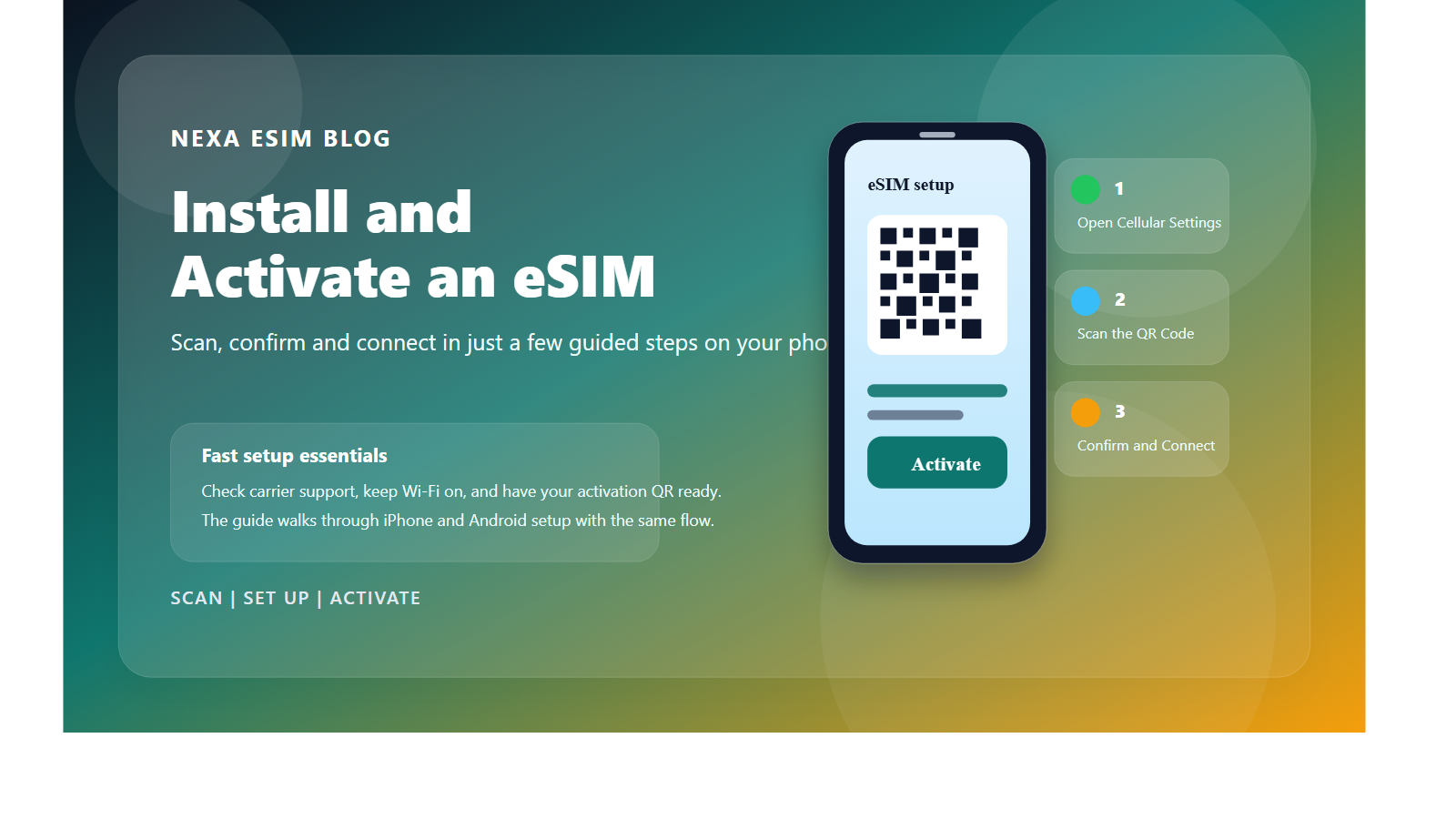
To buy, visit the provider's website, choose your plan based on the recommendations above, and complete the purchase online. You'll receive a QR code via email—scan it with your device's camera to install the eSIM. Ensure your phone is connected to Wi-Fi during installation. Once activated, you can manage your plan through the provider's app, making it easy to monitor usage and top up if necessary.
FAQ
What is the best eSIM for Belgium travel?
The best eSIM depends on your needs: Proximus-based plans offer the widest coverage for tourists, while Orange or Telenet plans may be cheaper for urban stays. Look for providers with positive reviews and flexible data options.
Can I buy an eSIM for Belgium as a tourist?
Yes, tourists can easily purchase an eSIM for Belgium online before or during their trip. Ensure your device is eSIM-compatible and unlocked.
Is unlimited data eSIM available for Belgium travel?
Yes, many providers offer unlimited data eSIM plans for Belgium, ideal for heavy users or digital nomads. Check for fair usage limits to avoid throttling.
How do I install an eSIM for Belgium?
Installation involves scanning a QR code from your provider via your device's settings. Refer to the provider's instructions or our installation guide for detailed steps.
What if my eSIM doesn't work in Belgium?
First, ensure your eSIM is activated and APN settings are correct. Contact your provider's customer support for assistance—most offer 24/7 help for travelers.
Are there cheap eSIM options for backpacking Belgium?
Yes, budget-friendly eSIM plans are available, often from MVNOs or smaller providers. Compare prices and data allowances to find the best value for your backpacking trip.