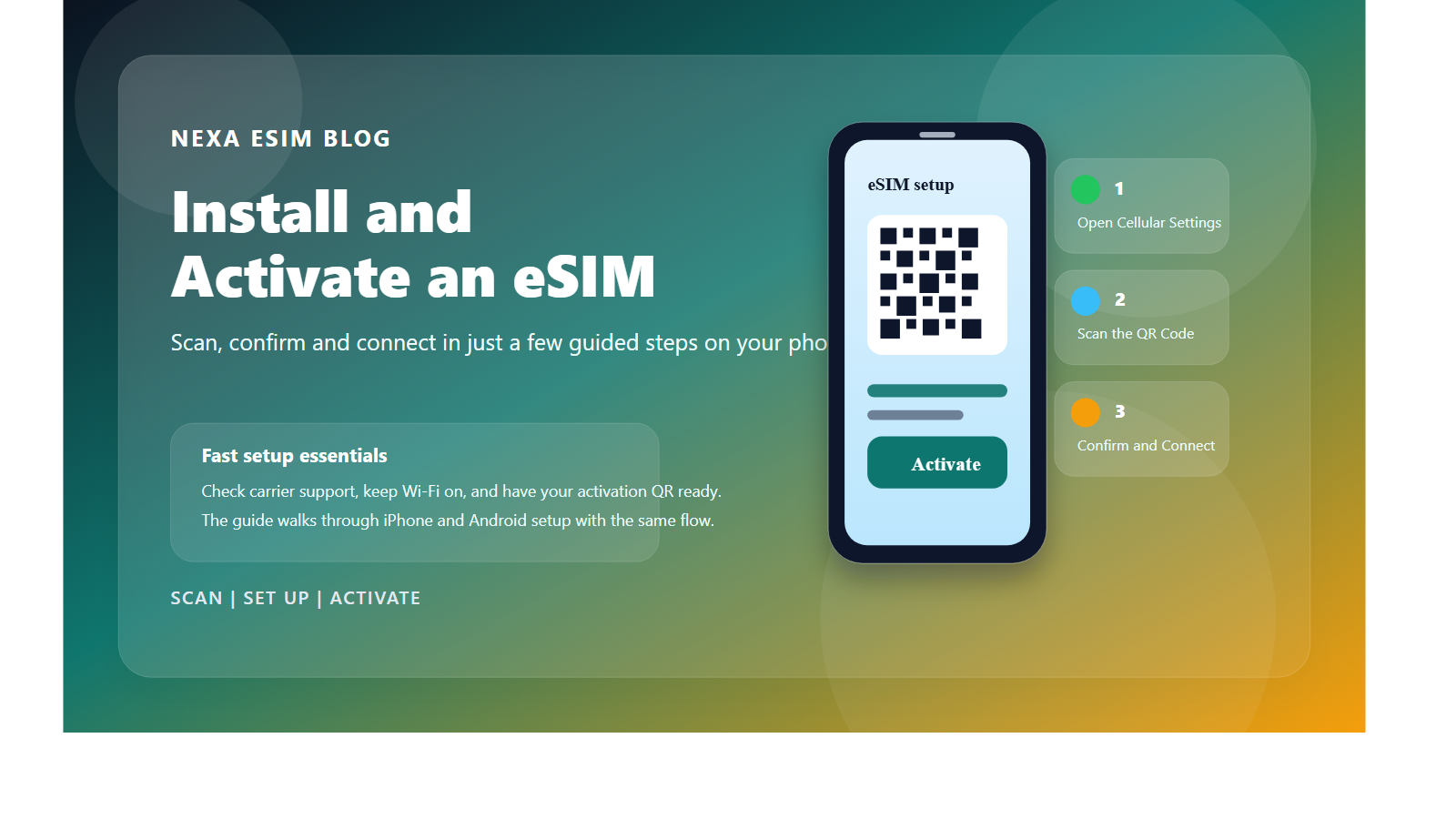
Discover how an eSIM for Zimbabwe travel keeps you connected from Victoria Falls to Harare. Compare networks, find the best data plans for tourists, and get essential connectivity tips for your adventure.
Quick Answer
For Zimbabwe travel, an eSIM provides instant connectivity upon arrival without needing a physical SIM card. The best network for tourists is typically Econet Wireless for its superior coverage in tourist areas like Victoria Falls, Hwange National Park, and major cities. For most travelers, a 5-10GB data plan for 7-10 days works well, with options available for both light users and digital nomads needing more data. You can purchase and activate your Zimbabwe eSIM before departure through providers like our global eSIM catalog.
Why Choose eSIM for Zimbabwe Travel
Traveling to Zimbabwe presents unique connectivity challenges, from remote safari lodges to bustling urban centers. An eSIM solves these elegantly by eliminating the need to hunt for SIM cards upon arrival at Harare or Victoria Falls airports. Instead, you can purchase your Zimbabwe eSIM before departure, activate it as your plane lands, and have immediate access to maps, translation apps, and communication tools.
For backpacking Zimbabwe or extended stays, eSIMs offer particular advantages. You can manage multiple profiles if traveling through neighboring countries, avoid losing tiny physical SIM cards, and often find better rates than airport kiosks. Digital nomads will appreciate the ability to maintain their home number while using a Zimbabwe data profile for local connectivity.
Major Mobile Carriers in Zimbabwe
Zimbabwe's telecommunications market is dominated by three main providers, each with distinct strengths for travelers:
Econet Wireless: The market leader with approximately 60% market share, Econet offers the most extensive coverage nationwide, particularly strong in urban areas and along major tourist routes. Their network infrastructure is the most developed, making them the default choice for most visitors.
NetOne: The state-owned operator with growing coverage, NetOne often provides competitive pricing and has been expanding its 4G/LTE network. Coverage can be more variable in remote areas but generally reliable in cities and towns.
Telecel Zimbabwe: The smallest of the three major operators, Telecel focuses on urban centers and offers budget-friendly options. While their nationwide coverage isn't as extensive as Econet's, they provide solid service in Harare, Bulawayo, and other major population centers.
Network Speed & Coverage Comparison
| Carrier | Coverage | Speed | 5G | Best For |
|---|---|---|---|---|
| Econet Wireless | Excellent nationwide, strongest in tourist areas | Fastest available, reliable 4G/LTE | Limited in major cities only | Most tourists, safari travelers, digital nomads |
| NetOne | Good in urban areas, improving in rural regions | Moderate to good, variable outside cities | Very limited trial phase | Budget-conscious travelers in cities |
| Telecel Zimbabwe | Concentrated in urban centers, limited rural | Adequate for basic needs in coverage areas | Not available | Short urban stays, backup connectivity |
Which Network is Best for Tourists?
For most Zimbabwe tourists, Econet Wireless provides the most reliable experience. Their coverage extends to key destinations like Victoria Falls (where connectivity is surprisingly good near the town), Hwange National Park (service available at main camps and along major roads), Great Zimbabwe ruins, and Lake Kariba resorts. The peace of mind knowing you'll have connectivity when navigating Harare's streets or checking safari updates is worth the slight premium.
NetOne can be a viable alternative for travelers spending most of their time in Harare, Bulawayo, or Mutare, particularly if finding a cheap eSIM for Zimbabwe travel is a priority. However, if your itinerary includes remote areas like Gonarezhou National Park or Eastern Highlands villages, Econet's more extensive coverage becomes invaluable.
Digital nomads and those needing consistent connectivity for work should prioritize Econet for its superior speeds and reliability. Backpackers on tight budgets might consider starting with a smaller NetOne or Telecel plan and upgrading if coverage proves insufficient.
Must-Visit Places in Zimbabwe
Zimbabwe's diverse attractions require different connectivity considerations:
Victoria Falls
The iconic waterfall offers good connectivity in the town itself, with Econet providing strong 4G signals at most hotels, restaurants, and viewing areas. You'll want reliable data for sharing photos instantly and navigating between the Zimbabwe and Zambia sides.
Hwange National Park
Zimbabwe's largest park has variable coverage. Main camps like Main Camp, Sinamatella, and Robins have decent Econet service, but once you're on game drives, connectivity becomes spotty. Download offline maps and essential information before heading out.
Great Zimbabwe Ruins
This UNESCO World Heritage site near Masvingo has adequate coverage for basic navigation and information lookup. The historical significance makes having connectivity for research and translation helpful.
Mana Pools National Park
More remote than Hwange, Mana Pools has limited connectivity even at camps. This is where an eSIM with good nationwide coverage proves its value for emergency communications and occasional check-ins.
Harare and Bulawayo
Zimbabwe's major cities offer the best connectivity, with all three carriers providing reliable service in urban centers. Here you can comfortably use data-intensive applications and even find some 5G coverage with Econet in select areas.
Connectivity Tips for Travelers
Based on extensive travel experience in Zimbabwe, here are practical connectivity strategies:
First, activate your eSIM before leaving home or immediately upon arrival. Zimbabwe's airports have Wi-Fi, but it's often slow and unreliable for activation processes. Having everything ready means you're connected from the moment you clear customs.
Second, download essential content offline. Google Maps allows downloading regions of Zimbabwe, which is crucial for areas with spotty coverage. Also consider downloading translation apps (Shona and Ndebele phrasebooks), safari guides, and entertainment for long drives.
Third, manage expectations in national parks. While main camps have improving connectivity, once you're on game drives or wilderness trails, you're often offline. This is actually part of the experience—embrace the digital detox while knowing you can reconnect at camp.
Fourth, conserve data when possible. Use Wi-Fi at hotels (though speeds vary considerably), compress images before uploading, and avoid data-intensive activities like video streaming unless you have an unlimited data eSIM travel Zimbabwe plan specifically designed for such use.
Weather & Travel Seasons
Zimbabwe's climate significantly impacts both travel experiences and connectivity:
Dry Season (May to October): Peak tourist season with minimal rainfall, excellent wildlife viewing, and comfortable temperatures. This is when networks perform most reliably, as heavy rains aren't disrupting infrastructure. However, it's also the busiest time, so network congestion can occur in popular areas.
Wet Season (November to April): Lush landscapes, fewer tourists, but daily thunderstorms can affect connectivity, especially in remote areas. Network infrastructure is more likely to experience disruptions during heavy rains, though urban areas generally remain stable.
Shoulder Seasons: April/May and October/November offer good compromises with decent weather and fewer crowds. Connectivity is generally reliable during these transition periods.
Best Month for Travel
For optimal connectivity combined with great travel conditions, September stands out. The dry season is firmly established, meaning minimal weather-related network disruptions. Wildlife congregates around water sources, making safari viewing exceptional. Tourist numbers are high but not at absolute peak, so network congestion is manageable. Temperatures are pleasant before the October heat builds.
From a pure connectivity perspective, any dry season month (May through October) will serve you well. If you're prioritizing esim for backpacking Zimbabwe on a budget, consider April or November when prices are lower but connectivity remains decent in most areas.
eSIM Data Plan Recommendation
Choosing the right data plan depends on your travel duration and usage patterns. Here's a practical guide based on typical tourist needs:
| Travel Days | Usage Type | Recommended Data |
|---|---|---|
| 3 days | Light (maps, messaging, occasional photos) | 2-3GB |
| 5 days | Moderate (above plus social media, some browsing) | 5GB |
| 7 days | Regular (all of the above plus video calls, research) | 7-10GB |
| 10 days | Heavy (digital nomads, content creators, extensive use) | 15GB+ or unlimited* |
*True unlimited data plans are rare in Zimbabwe, but high-data packages (20GB+) are available and function similarly for most users.
Heavy vs Light Users
Understanding your data needs is crucial for selecting the right Zimbabwe eSIM:
Light Users: If you primarily need connectivity for navigation (Google Maps uses about 5MB per hour), WhatsApp messaging (minimal data), occasional photo uploads (compress them first), and basic web browsing, a 1GB per week plan might suffice. This covers most casual tourists who use hotel Wi-Fi when available.
Heavy Users: Digital nomads, travel bloggers, remote workers, and those who stream music/maps constantly will need substantially more. Video calls (Zoom uses ~1GB per hour), uploading high-resolution photos/videos, constant navigation, and background app updates can consume 3-5GB daily. For these travelers, esim Zimbabwe for digital nomads with 15GB+ packages or unlimited options are worth the investment.
Most tourists fall somewhere in between—using data regularly but not excessively. A good rule is to estimate 500MB-1GB per day for moderate use, then add a buffer for unexpected needs.
Buy eSIM for Zimbabwe
Purchasing a Zimbabwe eSIM is straightforward with these steps:
First, ensure your device is eSIM compatible and unlocked. Most smartphones from 2018 onward support eSIM, but verify your specific model. Second, choose a reputable provider offering Zimbabwe coverage—look for those partnering with Econet for the best tourist experience. Third, select your plan based on the recommendations above, considering both data amount and validity period.
Fourth, complete the purchase online before your trip. You'll receive a QR code via email. Fifth, activate the eSIM either before departure or upon arrival in Zimbabwe by scanning the QR code in your device's cellular settings. For detailed instructions, consult our eSIM installation guide.
Prices vary by provider, but expect to pay $15-30 for a 5GB 7-day plan, $25-45 for 10GB 10-day plans, and $40-70 for 20GB+ monthly plans. Unlimited options typically cost $50-80 for 30 days but may have fair usage policies.
FAQ
What is the best eSIM for Zimbabwe travel?
The best Zimbabwe eSIM for travel typically uses the Econet network for superior coverage in tourist areas. Look for providers offering flexible data packages (5-15GB for 7-14 days) that match your itinerary.
Can I buy an eSIM upon arrival in Zimbabwe?
While possible, it's not recommended. Airport kiosks may not offer eSIMs, and purchasing requires local currency and registration. Buying before travel ensures instant connectivity when you land.
Is there unlimited data eSIM for Zimbabwe travel?
Yes, some providers offer unlimited data eSIM plans for Zimbabwe, though they often have fair usage policies (typically 20-30GB at full speed before throttling). These are ideal for digital nomads and heavy users.
Which network has best coverage for Victoria Falls?
Econet Wireless provides the most reliable coverage in and around Victoria Falls town, including at most hotels, restaurants, and viewing areas for the falls.
How much data do I need for 10 days in Zimbabwe?
For moderate usage (navigation, messaging, social media, some browsing), 10GB is sufficient for 10 days. Heavy users should consider 15GB+ or unlimited plans.
Can I use my Zimbabwe eSIM in neighboring countries?
Most Zimbabwe eSIMs are country-specific. For multi-country trips, look for regional Southern Africa eSIMs or purchase separate profiles for each country.
What if my eSIM doesn't work in Zimbabwe?
First, ensure proper activation and APN settings. If issues persist, contact your provider's support—reputable companies offer assistance and may provide replacement profiles if needed.