Stay connected in Sri Lanka with our expert eSIM guide. Compare major carriers like Dialog and Mobitel, find the best tourist data plans, and get essential connectivity tips for exploring from Colombo to Ella.
Quick Answer
For most tourists visiting Sri Lanka, an eSIM from Dialog or Mobitel provides the best combination of coverage and speed. Digital nomads and heavy data users should consider Dialog's 5G plans, while budget travelers can find good value with Airtel. Purchase your eSIM before arrival through providers like our Sri Lanka eSIM packages to activate immediately upon landing at Bandaranaike International Airport. For 7-10 day trips, 5-10GB plans typically suffice for navigation, social media, and light streaming.
Why Choose eSIM for Sri Lanka Travel
As a seasoned traveler who's navigated Sri Lanka's diverse landscapes from coastal Galle to misty hill country, I've found eSIM technology transforms the connectivity experience. Unlike physical SIM cards that require finding a vendor, presenting your passport, and dealing with registration paperwork, eSIMs activate instantly with a QR code scan. This is particularly valuable when arriving on late flights to Colombo or when traveling to remote areas where SIM card shops might be limited.
For digital nomads working remotely from Sri Lanka's growing coworking spaces, eSIMs offer seamless switching between local and home numbers without carrying multiple phones. Backpackers appreciate not having to worry about losing tiny SIM cards while moving between hostels. The environmental benefit of reducing plastic waste from SIM card packaging aligns well with Sri Lanka's increasing focus on sustainable tourism.
Most importantly, eSIMs provide peace of mind. You can purchase and install your Sri Lanka data plan before departure, ensuring you have working internet the moment you clear immigration. This lets you immediately book a ride-share, message your accommodation, or share arrival photos without hunting for Wi-Fi.
Major Mobile Carriers in Sri Lanka
Sri Lanka's telecommunications market is dominated by three main players, each with distinct strengths for travelers:
Dialog Axiata
As the market leader with approximately 45% share, Dialog offers the most extensive network coverage across Sri Lanka. Their infrastructure reaches even remote areas like the Knuckles Mountain Range and eastern beaches that other carriers might not cover as thoroughly. Dialog was the first to launch 5G in Sri Lanka and continues to expand their high-speed network in urban centers and popular tourist regions.
Mobitel
Owned by Sri Lanka Telecom, Mobitel leverages the country's largest fiber backbone. Their 4G/LTE coverage is particularly strong in the Cultural Triangle (Kandy, Anuradhapura, Polonnaruwa) and along the southern coastal belt from Colombo to Tangalle. Mobitel often provides competitive pricing for tourists seeking reliable mid-tier connectivity.
Airtel Lanka
Part of the global Airtel brand, this carrier focuses on value-conscious users. While their coverage isn't as comprehensive as Dialog's, Airtel provides solid service in major cities and tourist hotspots at lower price points. They're a good option for travelers sticking to well-trodden routes who prioritize budget over blanket coverage.
Network Speed & Coverage Comparison
| Carrier | Coverage | Speed | 5G | Best For |
|---|---|---|---|---|
| Dialog | Excellent nationwide, best in remote areas | Fastest overall, strong 4G/5G | Available in Colombo, Kandy, Galle, tourist areas | Digital nomads, remote explorers, heavy data users |
| Mobitel | Very good in cities & tourist corridors | Reliable 4G, good for streaming | Limited availability, expanding | General tourists, cultural triangle visitors, families |
| Airtel | Good in urban centers, moderate elsewhere | Adequate for basic needs | Minimal | Budget travelers, city-focused visitors, short stays |
Which Network is Best for Tourists?
Based on extensive testing across multiple Sri Lanka trips, I recommend Dialog for most tourists. Their combination of widespread coverage and consistent speeds ensures connectivity whether you're navigating Colombo's bustling streets, uploading photos from Mirissa's beaches, or checking train schedules in Ella. The peace of mind knowing you'll have service even in less-visited areas like Jaffna or the eastern coast is worth the slight premium.
Mobitel serves as an excellent alternative, particularly if you find a promotional plan with better pricing. Their network performs admirably along the standard tourist circuit from Colombo to the Cultural Triangle and down to the southern beaches. Airtel makes sense primarily for budget-conscious travelers spending most of their time in Colombo, Kandy, or Galle where their coverage is strongest.
For digital nomads specifically, Dialog's 5G availability in coworking hubs like Colombo and Unawatuna provides the low-latency connectivity needed for video calls and large file transfers. Backpackers on tight budgets might opt for Airtel but should be prepared for potential coverage gaps when venturing off the main tourist trail.
Must-Visit Places in Sri Lanka
Your eSIM will prove invaluable while exploring Sri Lanka's diverse attractions. In the Cultural Triangle, ancient cities like Anuradhapura and Polonnaruwa span vast areas where having mobile data for navigation and information enhances the experience. At Sigiriya Rock Fortress, use your connection to learn about the site's history as you climb.
The hill country around Ella and Nuwara Eliya offers stunning train journeys through tea plantations. Here, connectivity can be intermittent, making a reliable eSIM crucial for coordinating pickups and checking weather forecasts for hikes like Little Adam's Peak. Along the southern coast from Galle to Tangalle, you'll want constant access to maps for finding secluded beaches and restaurant reviews.
For wildlife enthusiasts visiting Yala or Udawalawe National Parks, mobile data helps with booking safari tours and identifying species. In Colombo, use your eSIM to navigate the city's emerging food scene and arrange transportation via apps like PickMe. Throughout your travels, having reliable internet transforms spontaneous discoveries into seamless experiences.
Connectivity Tips for Travelers
Having traveled Sri Lanka extensively with various connectivity solutions, I've compiled these practical tips:
Pre-Arrival Preparation
Purchase and install your eSIM before leaving home. This ensures immediate connectivity upon arrival at Bandaranaike International Airport (CMB). Test the installation process with our eSIM setup guide to avoid last-minute issues. Download offline maps of key areas like Colombo, Kandy, and your planned routes as backup.
Maximizing Battery Life
Sri Lanka's tropical climate and full travel days can drain phone batteries quickly. When network signal is weak (common in hill country or remote beaches), your phone works harder to maintain connection, consuming more power. Carry a portable charger and consider disabling 5G if you're in areas where it's spotty to extend battery life.
Local App Recommendations
Install PickMe (Sri Lanka's ride-hailing app) before arrival. Use Uber in Colombo. For trains, the 'Sri Lanka Railways' app provides schedules, though booking often requires visiting stations. WhatsApp dominates local communication, so ensure yours is working with your eSIM number.
Weather & Travel Seasons
Sri Lanka's connectivity can be affected by weather patterns. During the southwest monsoon (May-September), heavy rains on the west and south coasts might occasionally impact network performance, though major carriers maintain robust infrastructure. The northeast monsoon (November-February) affects the east coast but rarely disrupts service significantly.
Peak tourist season (December-March) sees the highest network congestion in popular areas. Your eSIM on Dialog or Mobitel will generally handle this well, but you might experience slightly slower speeds in crowded spots like Galle Fort or Ella's main street during evenings. Shoulder seasons (April, September-November) offer good connectivity with fewer users competing for bandwidth.
Best Month for Travel
For optimal travel experience with reliable connectivity, February stands out. The weather is dry across most of the country, tourist crowds from December-January have slightly diminished, and network performance is consistently good. April (despite being hot) also works well if you avoid the Sinhalese New Year period when networks can be congested with domestic travel.
Digital nomads might prefer September-November (excluding Deepavali period) when accommodation prices are lower, coworking spaces less crowded, and networks perform well with fewer tourists. Regardless of when you visit, having a quality eSIM ensures you stay connected through Sri Lanka's seasonal variations.
eSIM Data Plan Recommendation
Based on monitoring data usage across multiple Sri Lanka trips, here are my recommendations:
| Travel Days | Usage Type | Recommended Data |
|---|---|---|
| 3 days | Light (maps, messaging, occasional photos) | 2-3GB |
| 5 days | Moderate (social media, navigation, some streaming) | 4-5GB |
| 7 days | Regular (daily uploads, video calls, music streaming) | 7-8GB |
| 10 days | Active (frequent streaming, remote work, video sharing) | 10-12GB |
These estimates assume typical tourist activities: 2-3 hours of navigation daily, social media updates, occasional video calls, and light entertainment streaming. Always round up rather than down, as running out of data mid-trip is more inconvenient than having a small surplus.
Heavy vs Light Users
Understanding your data needs prevents overpaying or running out at crucial moments. Light users primarily need connectivity for Google Maps, WhatsApp messaging, occasional photo uploads, and checking emails. For them, even a 1GB plan might suffice for very short stays, though I recommend minimum 2GB for buffer.
Heavy users include digital nomads conducting video conferences, influencers uploading daily content, or travelers who regularly stream entertainment. They should consider 10GB+ plans or look for providers offering unlimited data options (usually with fair usage policies). Backpackers often fall in the middle - they use more data for planning on the go but less for entertainment than resort tourists.
An often-overlooked factor: hotel Wi-Fi quality varies dramatically in Sri Lanka. Even upscale hotels might have unreliable connections, making your eSIM data more essential than anticipated. When in doubt, choose the next plan size up - the small additional cost is worth the peace of mind.
Buy eSIM for Sri Lanka
Purchasing your Sri Lanka eSIM is straightforward. I recommend buying from established providers offering plans on Dialog or Mobitel networks. Look for clear pricing without hidden fees, instant delivery via email, and responsive customer support for any activation issues.
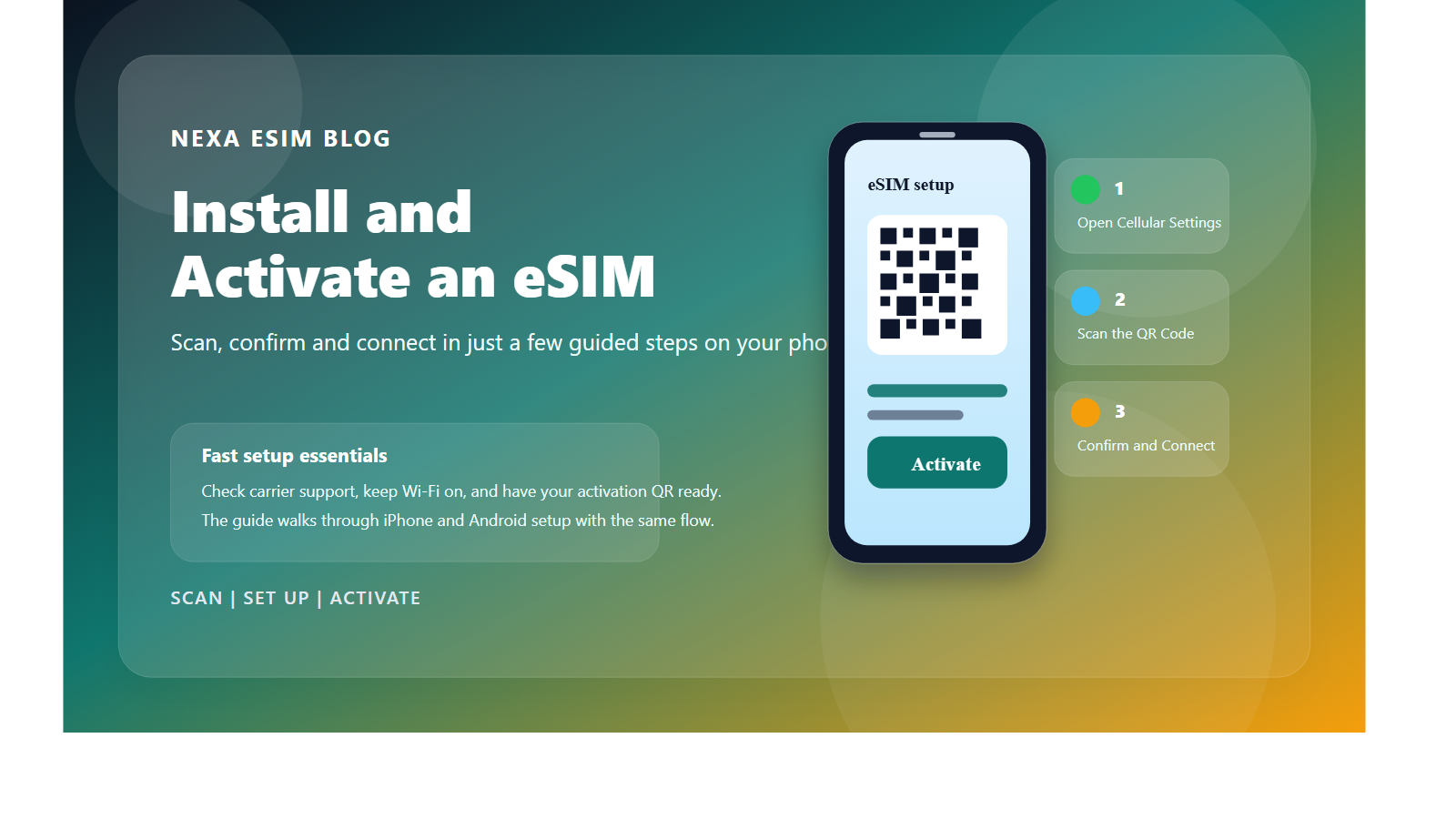
Our Sri Lanka eSIM packages offer curated options based on trip duration and usage needs. For travelers visiting multiple countries, consider our global eSIM catalog for regional or worldwide plans. Installation typically involves scanning a QR code in your phone's settings - a process that takes under five minutes when following provided instructions.
Key purchase considerations: ensure your phone is eSIM compatible (most recent iPhones, Pixels, and Samsung Galaxy models are), check plan validity matches your travel dates, and verify network compatibility. Some providers offer money-back guarantees if the eSIM doesn't activate properly, providing valuable protection.
FAQ
Which is the best eSIM for Sri Lanka travel?
Dialog-based eSIMs generally provide the best combination of coverage and speed for most tourists. For budget options, Airtel plans work adequately in major cities. Digital nomads should prioritize Dialog for its 5G availability in urban centers.
Can I buy an eSIM upon arrival in Sri Lanka?
While possible at airport kiosks, I strongly recommend purchasing before arrival. Pre-purchased eSIMs activate immediately, avoiding queues, paperwork, and potential language barriers. Airport vendors primarily sell physical SIMs requiring registration with your passport.
How much data do I need for 10 days in Sri Lanka?
For typical tourist use including daily navigation, social media, and occasional streaming, 10GB is sufficient. Heavy users or digital nomads should consider 15GB+ or unlimited plans. Our data plan table above provides detailed recommendations.
Is unlimited data eSIM available for Sri Lanka?
Yes, several providers offer unlimited data eSIMs for Sri Lanka, though these usually have fair usage policies (typically 1-2GB daily at high speed before throttling). These work well for heavy users but may be overkill for light travelers.
What's the cheapest eSIM for Sri Lanka travel?
Airtel-based plans typically offer the lowest prices, though with more limited coverage. For balance of cost and performance, Mobitel plans often provide good value. Compare options in our eSIM catalog to find the best fit for your budget.
Do I need 5G for traveling in Sri Lanka?
Not essential but beneficial in supported areas. 5G provides faster speeds in Colombo, Kandy, Galle and other urban centers. For most tourist activities including navigation and social media, 4G/LTE is perfectly adequate throughout the country.
Can I use my eSIM for backpacking Sri Lanka?
Absolutely. eSIMs are ideal for backpackers moving frequently between locations. You avoid SIM card hunting in each new town and maintain consistent connectivity. Choose a plan with good nationwide coverage (Dialog recommended) as you'll visit both popular and remote areas.