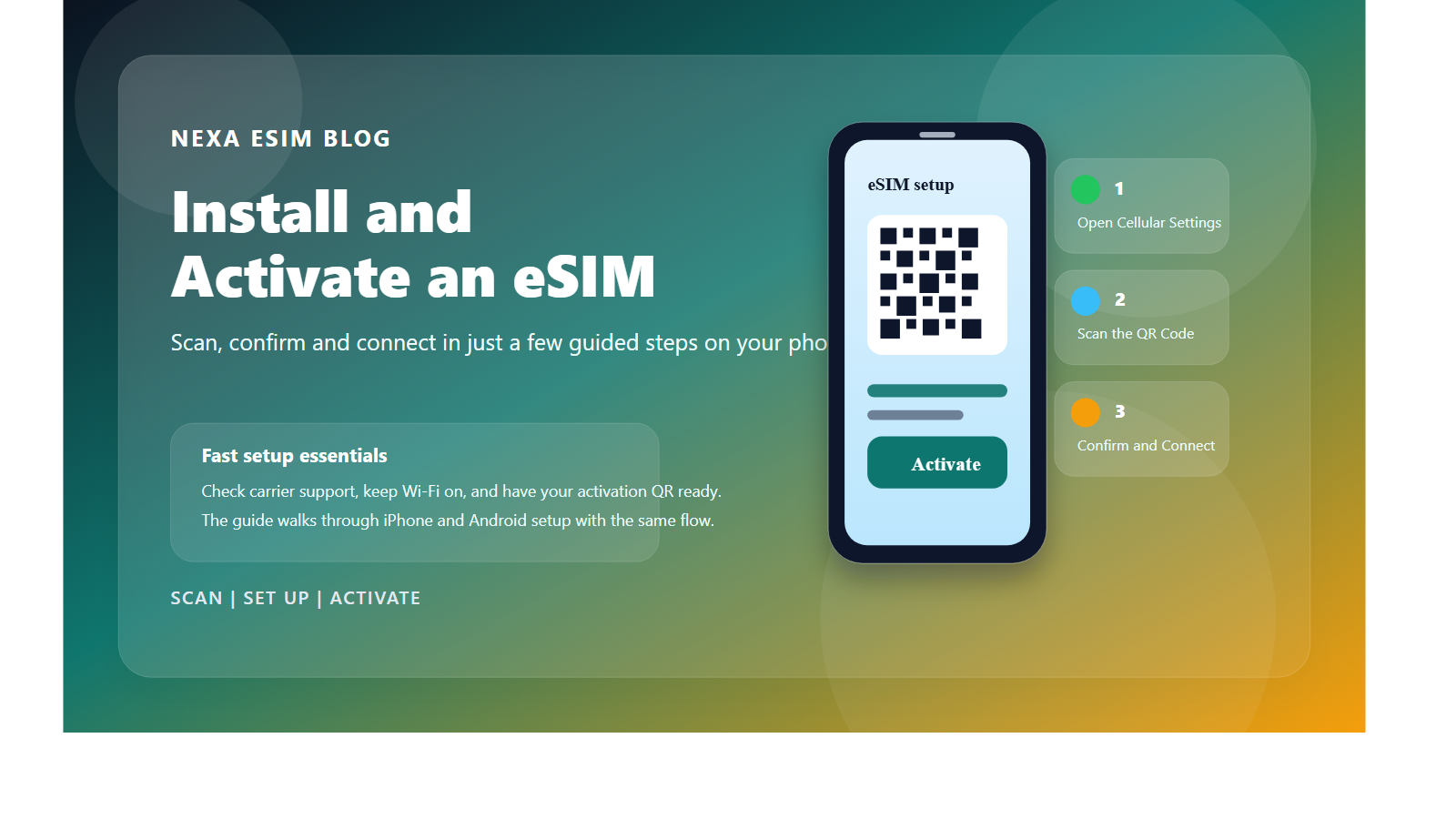
Discover how to stay connected in South Korea with an eSIM. This expert guide covers the best networks, data plans for tourists, must-visit places, and practical tips for a seamless digital experience.
Traveling to South Korea offers a captivating blend of ancient traditions and futuristic innovation, from the bustling streets of Seoul to the serene temples of Gyeongju. Staying connected is essential for navigating this dynamic country, whether you're using maps, translating Korean, or sharing your adventures on social media. An eSIM provides a modern, hassle-free solution, allowing you to activate a local data plan before you even land. As a global travel telecom expert, I've tested various options across South Korea to help you choose the best eSIM for your journey. This guide covers everything from network comparisons to must-visit destinations, ensuring you stay online without breaking the bank.
For those planning longer stays or remote work, consider eSIM South Korea — Choosing an Unlimited 30‑Day Plan for Long Stays and Remote Work.
Quick Answer
For most tourists visiting South Korea, the best eSIM option is a plan from a provider like South Korea eSIM product page that uses SK Telecom's network, offering extensive coverage and fast 5G speeds nationwide. Light users can opt for 1-2GB per day plans, while heavy users or digital nomads should consider unlimited data options. Purchase your eSIM online before your trip, activate it upon arrival, and enjoy seamless connectivity for navigating, translating, and sharing your experiences. Avoid roaming fees and physical SIM cards by choosing an eSIM tailored for South Korea's advanced infrastructure.
If your trip is shorter, you might find the eSIM South Korea unlimited 5 days: choose the right plan for a short trip more suitable.
Why Choose eSIM for South Korea
South Korea is a global leader in technology and connectivity, making it an ideal destination for eSIM adoption. Unlike traditional SIM cards, an eSIM is embedded digitally in your device, eliminating the need to visit a store or handle tiny chips. This is especially convenient for travelers arriving at Incheon International Airport or other entry points, as you can activate your plan instantly. South Korea's mobile networks, including SK Telecom, KT, and LG U+, offer robust 5G coverage, ensuring fast internet speeds even in rural areas. An eSIM also allows flexibility—you can switch plans or top up data without changing physical cards, perfect for backpacking or extended stays. For digital nomads, it supports multiple profiles, so you can keep your home number active while using a local data plan. Overall, an eSIM saves time, reduces costs, and enhances your travel experience in this tech-savvy country.
For a two-week journey, it's worth exploring How to Pick an eSIM South Korea Unlimited 15 Days for a Two‑Week Trip to ensure continuous connectivity.
Major Mobile Carriers in South Korea
South Korea's telecom market is dominated by three major carriers, each with extensive infrastructure and competitive offerings. Understanding their strengths helps you select the right eSIM provider.
For a week-long trip with significant data needs, learn How to pick an unlimited eSIM for 7 days in South Korea.
- SK Telecom: The largest carrier, known for its nationwide coverage and pioneering 5G technology. It's reliable in urban centers like Seoul and Busan, as well as in mountainous regions.
- KT: A close competitor, offering similar coverage and speeds, with a strong presence in public Wi-Fi hotspots and tourist areas.
- LG U+: The smallest of the three, but still provides excellent service, often with competitive pricing for data plans.
Most eSIM providers for tourists partner with one of these networks, so check which carrier your plan uses to ensure compatibility with your travel itinerary.
If your itinerary spans ten days, a detailed guide on How to Pick an Unlimited eSIM for a 10-Day Trip in South Korea can help you choose wisely.
Network Speed & Coverage Comparison
South Korea boasts some of the world's fastest mobile networks, with 5G widely available. Here's a comparison to guide your choice:
| Carrier | Coverage | Speed | 5G | Best For |
|---|---|---|---|---|
| SK Telecom | Nationwide, excellent in rural areas | Very fast, consistent | Extensive | Tourists exploring beyond cities |
| KT | Strong in urban and suburban zones | Fast, reliable | Widespread | City-focused travelers |
| LG U+ | Good in major cities, limited in remote spots | Fast, but can vary | Available in cities | Budget-conscious visitors |
In practice, all three carriers offer sufficient speeds for streaming, video calls, and navigation, but SK Telecom tends to have the edge for comprehensive coverage, especially if you plan to visit places like Jeju Island or the Korean Demilitarized Zone (DMZ).
Which Network is Best for Tourists?
For most tourists, SK Telecom is the best network due to its unparalleled coverage and reliability across South Korea. Whether you're in Seoul's Myeongdong district, hiking in Seoraksan National Park, or exploring the coastal city of Busan, you'll likely have strong signal and fast data. This makes it ideal for using maps, translation apps, and social media without interruptions. KT is a solid alternative if you're staying primarily in metropolitan areas, offering similar speeds at potentially lower costs. LG U+ can be a good choice for budget travelers focused on cities, but may have gaps in more remote tourist sites. When buying an eSIM, look for providers that explicitly use SK Telecom's network for the most seamless experience. For example, Nexa eSIM's South Korea plan often leverages this carrier, ensuring you stay connected throughout your trip.
Must-Visit Places in South Korea
South Korea is rich in cultural, historical, and natural attractions. Here are some top destinations where reliable connectivity enhances your visit:
- Seoul: The capital city blends modernity with tradition. Visit Gyeongbokgung Palace, shop in Gangnam, and enjoy street food in Insadong. Fast internet helps navigate the efficient subway system and book last-minute tickets.
- Busan: A coastal city known for Haeundae Beach and the vibrant Jagalchi Fish Market. Use your eSIM to find the best seafood restaurants and share sunset photos.
- Jeju Island: A volcanic island with stunning landscapes like Hallasan Mountain and Manjanggul Cave. Coverage can be spotty in remote areas, so an eSIM on a strong network is crucial for safety and navigation.
- Gyeongju: The ancient capital, filled with UNESCO World Heritage sites such as Bulguksa Temple. Connectivity aids in accessing historical information on the go.
- DMZ: The Korean Demilitarized Zone offers a unique glimpse into the country's history. Ensure your eSIM works here for guided tour apps and communication.
Connectivity Tips for Travelers
To maximize your eSIM experience in South Korea, follow these practical tips:
- Purchase Before You Go: Buy your eSIM online from a reputable provider like Nexa eSIM's global catalog before departure. This avoids last-minute hassles and ensures activation upon arrival.
- Check Device Compatibility: Ensure your smartphone supports eSIM technology (most newer models do). Follow the installation guide for step-by-step setup.
- Use Local Apps: Download apps like Naver Maps (more accurate than Google Maps in Korea), KakaoTalk for messaging, and Papago for translation to enhance your travel.
- Leverage Public Wi-Fi: South Korea has extensive free Wi-Fi in cafes, subways, and tourist spots, but use your eSIM for secure connections when handling sensitive data.
- Monitor Data Usage: Keep an eye on your consumption, especially if you're streaming or video calling frequently, to avoid running out of data unexpectedly.
Weather & Travel Seasons
South Korea experiences four distinct seasons, each affecting travel and connectivity needs:
- Spring (March-May): Mild temperatures and cherry blossoms make this a popular time. Networks perform well, but tourist crowds may slow public Wi-Fi.
- Summer (June-August): Hot and humid, with monsoon rains in July. Ensure your eSIM works reliably for weather updates and indoor navigation during downpours.
- Autumn (September-November): Cool and crisp, with vibrant foliage. Ideal for outdoor activities where consistent coverage is key.
- Winter (December-February): Cold and snowy, especially in northern regions. Battery life may drain faster, so use your eSIM efficiently for essential tasks.
Best Month for Travel
October is often considered the best month to visit South Korea, offering pleasant weather, autumn colors, and fewer crowds compared to spring. During this time, mobile networks operate optimally, and your eSIM will provide reliable service for exploring both cities and countryside. If you prefer spring, April is also excellent for cherry blossoms, but be prepared for higher tourist density, which might strain public networks. Regardless of when you go, an eSIM ensures you stay connected without dependency on seasonal fluctuations.
eSIM Data Plan Recommendation
Choosing the right data plan depends on your travel duration and usage habits. Here's a tailored recommendation table:
| Travel Days | Usage Type | Recommended Data |
|---|---|---|
| 3 days | Light (maps, messaging) | 3-5 GB total |
| 5 days | Moderate (social media, light streaming) | 5-10 GB total |
| 7 days | Heavy (video calls, frequent streaming) | 10-20 GB total |
| 10 days | Extended or digital nomad | 20+ GB or unlimited |
For most tourists, a 7-day plan with 10-20 GB suffices, allowing for navigation, translation, and occasional streaming. If you're a digital nomad or heavy user, consider unlimited data options to avoid overage charges.
Heavy vs Light Users
Understanding your data needs helps optimize your eSIM plan:
- Light Users: Typically use data for basic tasks like Google Maps, messaging apps (e.g., WhatsApp), and occasional web browsing. They consume 1-2 GB per week. A smaller plan, such as 5 GB for a week, is cost-effective and prevents waste.
- Heavy Users: Engage in data-intensive activities like streaming videos (YouTube, Netflix), video conferencing (Zoom), or frequent social media uploads. They may use 3-5 GB per day. For these travelers, unlimited data plans or high-capacity options (e.g., 20+ GB) are advisable to ensure uninterrupted connectivity.
Backpackers and digital nomads often fall into the heavy category, especially if working remotely, so investing in a robust eSIM plan enhances productivity and enjoyment.
Buy eSIM for South Korea
Purchasing an eSIM for South Korea is straightforward. Start by browsing providers like Nexa eSIM, which offers tailored plans for tourists. Compare options based on data allowance, network carrier (prefer SK Telecom), and price. Look for plans that include unlimited data if you're a heavy user or traveling long-term. Once selected, buy online, receive a QR code via email, and scan it to activate on your device after landing. Avoid last-minute purchases at airports, as they may be more expensive. For a wider selection, check global eSIM packages to see if South Korea is included in regional plans, which can offer better value for multi-country trips.
FAQ
Q: What is the best eSIM for South Korea travel?
A: The best eSIM depends on your needs, but plans using SK Telecom's network, such as those from Nexa eSIM, are highly recommended for their coverage and speed.
Q: Can I buy an eSIM for South Korea as a tourist?
A: Yes, tourists can easily purchase eSIMs online before or during their trip. Ensure your device is eSIM-compatible and unlocked.
Q: Is unlimited data available for eSIMs in South Korea?
A: Yes, many providers offer unlimited data plans, ideal for heavy users or digital nomads. Check terms for any fair usage policies.
Q: How do I activate an eSIM in South Korea?
A> Activate by scanning the QR code provided after purchase, usually upon arrival. Follow the provider's setup instructions for a smooth process.
Q: Are there cheap eSIM options for backpacking South Korea?
A> Yes, look for budget-friendly plans with moderate data, such as 5-10 GB for a week, from reputable providers to save costs without sacrificing quality.
Q: What should digital nomads consider for an eSIM in South Korea?
A> Digital nomads should prioritize unlimited data or high-capacity plans on reliable networks like SK Telecom, ensuring stable connections for work and exploration.