Discover how to stay connected in Oman with an eSIM. This comprehensive guide covers the best mobile networks, data plans for tourists, and essential travel tips for seamless connectivity across Oman's stunning landscapes.
Quick Answer
For travelers visiting Oman, an eSIM provides the most convenient way to stay connected. The best eSIM options for Oman typically offer data packages ranging from 1GB to unlimited plans, with coverage extending to major cities like Muscat, Salalah, and popular tourist destinations. For most tourists, a 5-10GB plan for a week-long trip is sufficient for navigation, social media, and basic communication. Oman's major carriers—Omantel, Ooredoo, and Vodafone Oman—all offer reliable 4G/LTE coverage in urban areas, with 5G expanding in Muscat. Purchase your eSIM before arrival through reputable providers for immediate activation upon landing.
Why Choose eSIM for Oman Travel
Traveling to Oman presents unique connectivity challenges with its vast deserts, rugged mountains, and coastal cities. An eSIM solves these challenges elegantly. Unlike physical SIM cards that require visiting a store or dealing with airport kiosks, an eSIM can be purchased and activated entirely online before your trip. This means you have working internet the moment you land at Muscat International Airport or Salalah Airport—crucial for booking ride-shares, translating signs, or contacting your accommodation.
For digital nomads and backpackers exploring Oman's diverse landscapes, eSIMs offer flexibility. You can easily switch between data plans if your needs change, and many providers offer regional packages that include neighboring countries if you're planning a broader Gulf trip. The environmental benefit of eliminating plastic SIM cards aligns well with Oman's growing emphasis on sustainable tourism. Additionally, eSIMs work seamlessly with dual-SIM devices, allowing you to keep your home number active for important calls while using your Omani data plan.
Security is another advantage. With an eSIM, there's no risk of losing or damaging a physical SIM card while hiking in Jebel Shams or exploring the Wahiba Sands. The digital nature of eSIMs also means you can manage your plan entirely through an app—topping up data, extending validity, or troubleshooting without needing to find a local store.
Major Mobile Carriers in Oman
Oman's telecommunications market is served by three primary operators, each offering competitive services for travelers. Understanding these carriers helps you make an informed eSIM choice.
Omantel: As the incumbent operator and partially government-owned, Omantel boasts the most extensive network coverage across Oman. Their infrastructure reaches remote desert areas and mountain villages that other carriers might not cover as thoroughly. For travelers venturing beyond major cities—to places like the Empty Quarter or Musandam Peninsula—Omantel often provides the most reliable connection. They've been aggressively expanding their 5G network in urban centers.
Ooredoo Oman: A strong competitor with excellent coverage in urban and suburban areas. Ooredoo tends to offer competitive pricing and frequently runs promotions that can benefit short-term visitors. Their network performs particularly well in Muscat, Salalah, and other population centers. Many travelers find Ooredoo's customer service accessible and helpful for basic inquiries.
Vodafone Oman: The newest entrant to the market, Vodafone has been rapidly expanding its network since its launch. While their coverage might not yet match Omantel's in the most remote areas, they offer modern infrastructure in frequently visited regions. Vodafone often partners with international eSIM providers, making their plans easily accessible to tourists before arrival.
Network Speed & Coverage Comparison
When choosing an eSIM provider for Oman, the underlying network matters significantly. Here's how the major carriers compare for travelers:
| Carrier | Coverage | Speed | 5G | Best For |
|---|---|---|---|---|
| Omantel | Excellent nationwide, strongest in remote areas | Consistent 4G/LTE, good upload speeds | Available in Muscat, expanding | Adventure travelers, road trips, remote destinations |
| Ooredoo | Very good in urban areas, good on major highways | Fast 4G/LTE, competitive peak speeds | Available in major cities | City explorers, budget-conscious travelers |
| Vodafone Oman | Good in populated regions, improving nationwide | Modern 4G/LTE infrastructure | Limited 5G in select areas | Short urban stays, tech-savvy travelers |
Real-world performance varies by location. In Muscat's commercial districts like Qurum or Al Khuwair, all three carriers typically deliver strong signals. Along the Muscat-Sur coastal highway, coverage is generally reliable with occasional drops in mountainous sections. In the Dhofar region around Salalah, Omantel and Ooredoo both maintain robust networks, especially during the Khareef (monsoon) season when tourist numbers surge.
For data-intensive activities like video calls or streaming, urban centers with 4G+ or 5G will provide the best experience. In more remote areas like the Hajar Mountains, expect basic 4G or even 3G connectivity—sufficient for messaging and navigation but not for high-bandwidth applications.
Which Network is Best for Tourists?
The ideal network depends entirely on your travel itinerary and usage patterns. For most tourists spending time in cities and popular destinations, Ooredoo offers an excellent balance of coverage, speed, and value. Their network reliably covers Muscat's attractions—from the Sultan Qaboos Grand Mosque to Mutrah Souq—as well as key destinations like Nizwa Fort, Wahiba Sands camps, and Salalah's beaches.
If your Oman itinerary includes extensive road trips or off-the-beaten-path adventures, Omantel becomes the safer choice. Their superior coverage in remote areas means you're less likely to lose connectivity when navigating to Jebel Akhdar's mountain villages or exploring the turtle reserves at Ras al Jinz. Many experienced Oman travelers carry a dual-SIM device with eSIMs from both providers for maximum flexibility, though this requires careful plan management.
Vodafone Oman appeals particularly to younger travelers and digital nomads who prioritize modern network features and app-based management. Their partnerships with international eSIM providers often mean straightforward purchase processes and English-language support. For a short stay focused on Muscat and nearby day trips, Vodafone's competitive pricing can be attractive.
Regardless of carrier, ensure your eSIM plan includes local number capabilities if you need to make calls to Omani businesses or emergency services. Some data-only eSIMs work perfectly for internet access but don't provide a local number for outgoing calls.
Must-Visit Places in Oman
Oman's diverse landscapes and rich culture offer unforgettable experiences. Here are essential destinations where reliable connectivity enhances your visit:
Muscat and Surroundings
Oman's capital blends modernity with tradition. The Sultan Qaboos Grand Mosque requires respectful attire but offers breathtaking architecture. The Mutrah Corniche waterfront comes alive in the evenings, while the adjacent souq presents perfect photo opportunities. Royal Opera House Muscat showcases world-class performances. Connectivity here is excellent across all networks.
Nizwa and the Interior
The historic city of Nizwa features a magnificent fort and lively Friday livestock market. Nearby, Jebel Akhdar (Green Mountain) offers cooler temperatures and stunning terrace agriculture. The ancient Bahla Fort, a UNESCO site, reveals Oman's architectural heritage. Network coverage in these areas is generally good, though speeds may decrease in mountainous sections.
Salalah and Dhofar
During the Khareef season (June-September), Salalah transforms into a lush paradise unlike anywhere else in Arabia. Mughsail Beach's blowholes, the frankincense trees of Wadi Dawkah, and the archaeological site of Al Baleed provide diverse experiences. Coverage remains strong in Salalah city but may become patchier in surrounding natural areas.
Desert and Coastal Regions
The Wahiba Sands offer classic desert experiences with overnight camping under spectacular stars. The Musandam Peninsula, separated from mainland Oman, features fjord-like khors perfect for dhow cruises. Coastal turtle watching at Ras al Jinz occurs year-round. These remote destinations benefit most from Omantel's extensive coverage.
Connectivity Tips for Travelers
Maximize your eSIM experience in Oman with these practical suggestions:
First, download offline resources before your trip. Google Maps allows you to download regions of Oman for navigation without data. Similarly, download translation apps with Arabic packages, guidebooks, and entertainment for flights or areas with limited connectivity.
Second, understand Oman's internet regulations. While generally open, some VoIP services might experience occasional restrictions. Having alternative communication apps prepared ensures you can always contact home. Most hotels and cafes offer Wi-Fi, but their quality varies—your eSIM provides consistent backup.
Third, manage your data usage strategically. Streaming video consumes significant data; consider downloading content over Wi-Fi for later enjoyment. Enable data-saving modes on your device and apps. Monitor your usage through your eSIM provider's app to avoid unexpected depletion.
Fourth, prepare for temperature extremes. Oman's climate can be harsh, especially in summer. Keep your device out of direct sunlight in cars and consider a protective case. Extreme heat can affect battery life and performance.
Finally, have a backup plan. While eSIMs are reliable, technical issues can occur. Save important contacts locally, know your embassy's information, and consider carrying a printed copy of critical reservations. For comprehensive eSIM options across multiple destinations, browse our global eSIM catalog.
Weather & Travel Seasons
Oman experiences three distinct seasons that significantly impact travel plans and connectivity needs:
Winter (October to March): The peak tourist season with pleasant temperatures ranging from 20°C to 28°C in most regions. This is the ideal time for desert camping, mountain hiking, and city exploration. Network performance is generally optimal during these months with fewer atmospheric disruptions.
Summer (April to September): Extremely hot, especially in interior regions where temperatures regularly exceed 40°C. Coastal areas remain humid. Many outdoor activities become challenging during daytime hours. This is the low season for tourism except in Salalah during the Khareef. Network equipment may experience more heat-related stress in remote areas.
Khareef (June to September, specific to Dhofar): The monsoon season transforms Salalah and surrounding areas into green landscapes with misty conditions. This unique phenomenon attracts regional tourists. Network congestion can occur during peak Khareef weekends due to increased visitor numbers.
Best Month for Travel
For the optimal balance of weather, activities, and connectivity, November stands out as the best month to visit Oman. Temperatures are comfortable across the country—perfect for exploring Muscat's outdoor attractions, hiking in Jebel Akhdar, and overnight desert stays without extreme temperature swings. The summer heat has dissipated, but the winter peak season hasn't fully arrived, meaning fewer crowds at popular sites.
November also offers cultural opportunities with various festivals and events. From a connectivity perspective, networks operate under ideal conditions with minimal weather-related disruptions. If you're planning to include both northern Oman and Salalah in your itinerary, November provides good conditions in both regions, though Salalah's unique Khareef greenery will have faded by this time.
For travelers specifically seeking Salalah's Khareef experience, August provides the fullest manifestation of the monsoon season, though this requires tolerating humidity and planning for potential network congestion during peak visitation periods.
eSIM Data Plan Recommendation
Choosing the right data plan prevents either wasteful overspending or frustrating shortages. Consider both your travel duration and usage patterns:
| Travel Days | Usage Type | Recommended Data |
|---|---|---|
| 3 days | Light (navigation, messaging) | 1-2GB |
| 3 days | Moderate (social media, light browsing) | 3GB |
| 5 days | Light | 2-3GB |
| 5 days | Moderate | 5GB |
| 7 days | Light | 3-4GB |
| 7 days | Moderate | 7GB |
| 10 days | Light | 5GB |
| 10 days | Moderate | 10GB |
These recommendations assume you'll use hotel Wi-Fi in evenings and aren't streaming video regularly. For digital nomads or those requiring video calls, add 1-2GB per day of intensive use. Many eSIM providers offer flexible top-up options, so you can start with a conservative plan and add data if needed.
Heavy vs Light Users
Understanding your data consumption profile ensures you select the most cost-effective eSIM plan:
Light Users: Primarily use data for navigation (Google Maps), messaging (WhatsApp, Telegram), occasional email checks, and light web browsing. This describes most traditional tourists who aren't constantly on social media or streaming. A light user typically consumes 300-500MB daily. For them, smaller data packages (3-5GB for a week) work perfectly. They benefit most from pay-as-you-go or smaller package options.
Heavy Users: Regularly upload photos/videos to social media, use video calling services (Zoom, FaceTime), stream music or podcasts during travel, and might need to work remotely. Digital nomads, travel influencers, and business travelers often fall into this category. Heavy users can easily consume 1-2GB daily. They should consider larger packages (10GB+ for a week) or unlimited data plans if available. Some providers offer specific digital nomad eSIM packages tailored to these needs.
Most travelers overestimate their data needs. Monitor your first day's usage to calibrate—if you use 400MB on a typical sightseeing day, a 5GB plan will comfortably cover a 10-day trip with buffer. Remember that using Wi-Fi at accommodations can significantly reduce cellular data consumption.
Buy eSIM for Oman
Purchasing an Oman eSIM involves a straightforward process. First, ensure your device is eSIM-compatible—most smartphones manufactured since 2018 support eSIM technology. Check your device settings or manufacturer's specifications to confirm.
Next, select a reputable eSIM provider. Look for companies offering Oman-specific plans with clear pricing, coverage maps, and customer support. The best providers allow purchase days or weeks before your trip, with activation timed to your arrival. Payment is typically via credit card or digital payment platforms.
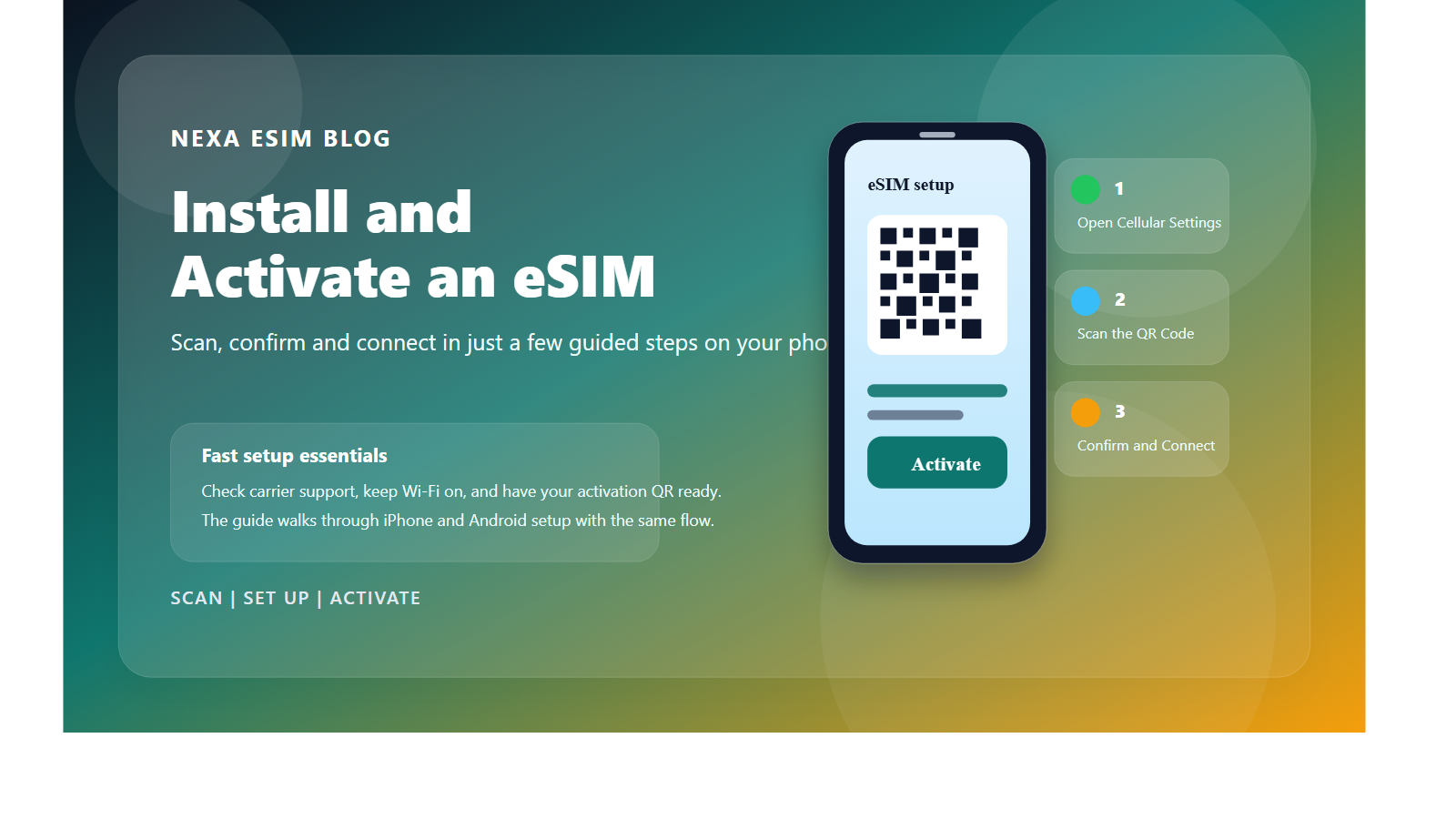
After purchase, you'll receive a QR code via email. Closer to your departure date (or upon arrival in Oman), scan this QR code through your device's cellular settings to install the eSIM profile. Follow the provider's activation instructions—usually involving connecting to Wi-Fi briefly for initial setup. Once activated, ensure your cellular data is set to use the eSIM line, and you're ready to connect.
For those new to eSIM technology, our eSIM installation guide provides step-by-step visual instructions for various device types. Most travelers complete the entire process in under 10 minutes without technical expertise.
FAQ
What is the best eSIM for Oman travel?
The best eSIM depends on your itinerary. For comprehensive coverage including remote areas, choose a provider using Omantel's network. For urban-focused trips with budget considerations, Ooredoo-based plans often offer better value. Compare specific plans at our eSIM destination catalog.
Can I buy an eSIM for Oman as a tourist?
Yes, tourists can easily purchase eSIMs for Oman. No local identification is required—just an eSIM-compatible device. Purchase online before your trip for immediate connectivity upon arrival.
How much data do I need for a week in Oman?
For most tourists, 5-7GB provides comfortable usage for a week, assuming regular Wi-Fi use at accommodations. Light users might manage with 3-4GB, while heavy users or digital nomads may need 10GB or more.
Are there unlimited data eSIMs for Oman?
Yes, some providers offer unlimited data eSIM plans for Oman, though these often have fair usage policies that may reduce speeds after certain thresholds. These are ideal for heavy users or those uncomfortable monitoring data usage.
Which is better for backpacking Oman: eSIM or local SIM?
eSIMs are superior for backpacking Oman. They eliminate the need to find a SIM vendor, work immediately upon activation, and can be managed entirely remotely—crucial when moving between remote locations. The environmental benefit of avoiding plastic SIM cards also aligns with responsible travel principles.
Can I use my eSIM for both Oman and UAE?
Many providers offer regional eSIM plans covering multiple Gulf countries. If visiting both Oman and UAE, look for GCC or Middle East regional packages rather than Oman-specific ones for better value and seamless connectivity across borders.
How do I activate my Oman eSIM?
Activation typically involves scanning a QR code received via email after purchase. The process requires brief Wi-Fi connectivity but then works on cellular networks. Specific steps vary by device; refer to your provider's instructions or our general installation guide for details.
What if my eSIM doesn't work in Oman?
First, ensure you've properly installed and activated the eSIM per instructions. Check that cellular data is enabled for the eSIM line in your settings. If issues persist, contact your provider's customer support—reputable companies offer 24/7 assistance. As backup, know locations with free Wi-Fi like major hotels or cafes.