Practical guide to buying and using an eSIM in New Zealand for tourists, backpackers and digital nomads — coverage, carriers, recommended plans and setup tips.
Quick Answer
If you want reliable connectivity across New Zealand, buy an eSIM before you depart or on arrival. Major local carriers (Spark, Vodafone NZ, 2degrees) provide wide coverage, with Spark and Vodafone offering the best national reach and more 5G locations in urban areas. For short tourist trips, pick a prepaid eSIM bundle with 5–30GB; for digital nomads, choose longer validity or refillable plans with good 4G/5G coverage. You can buy eSIM for New Zealand online now and activate instantly.
Why Choose eSIM for New Zealand
eSIMs remove the need to swap physical SIMs, speed up airport connectivity, and let you keep your home number active. New Zealand’s mobile networks are mature; an eSIM gives tourists immediate data for navigation, booking, and emergency services without roaming fees. They’re especially convenient for:
- Backpackers moving between cities and remote spots.
- Digital nomads needing stable mobile data for work.
- Short-stay visitors seeking cost-effective, short-term data bundles.
Major Mobile Carriers in New Zealand
The three main nationwide mobile carriers are Spark, Vodafone NZ and 2degrees. Each offers prepaid eSIM options sold by carriers and third-party resellers. You can also find international eSIM providers that resell local capacity; they’re convenient but check coverage and APN settings.
- Spark — strong urban and decent rural coverage, good roaming partnerships.
- Vodafone NZ — extensive coverage and competitive 5G rollout in cities.
- 2degrees — often cheaper prepaid options and solid coverage in many regions.
Network Speed & Coverage Comparison
| Carrier | Coverage | Speed | 5G | Best For |
|---|---|---|---|---|
| Spark | Very good urban; good regional | Fast LTE; reliable | Available in major cities | Tourists wanting stable city coverage |
| Vodafone NZ | Strong national coverage | Fast; competitive | Growing 5G in urban areas | 5G users and higher-speed needs |
| 2degrees | Good urban and many regional spots | Good LTE speeds | Limited 5G compared with others | Budget-conscious travelers |
Which Network is Best for Tourists?
For most visitors, Vodafone NZ or Spark are the safest choices for overall reach and consistent speeds in cities and tourist hubs (Auckland, Wellington, Queenstown). If you’re backpacking rural routes or the Milford Track area, expect limited signal — carrying an offline map is essential. If price is your priority, 2degrees often has attractive prepaid rates.
Must-Visit Places in New Zealand
Plan connectivity around must-see destinations: urban areas have full service, but national parks and alpine routes may be offline. Top spots:
- Auckland — gateway city with full 4G/5G service.
- Wellington — compact capital with excellent mobile coverage.
- Queenstown & Wanaka — tourist hubs with good urban coverage; mountain trails may be patchy.
- Rotorua & Taupō — geothermal and lake areas with solid service.
- Fiordland (Milford Sound, Doubtful Sound) — expect minimal coverage; plan ahead.
Connectivity Tips for Travelers
- Buy an eSIM online before departure for instant arrival connectivity and avoid airport queues: see options at /esim-nzl.
- Enable data roaming only on the eSIM profile you intend to use; keep your home SIM for calls if needed.
- Use offline maps and download media for remote areas.
- Carry a power bank — long day hikes drain phones quickly when used for GPS and photos.
- If you need help installing, consult the setup guide at installation-guide.
Weather & Travel Seasons
New Zealand’s climate varies by region. The North Island is milder year-round; the South Island has colder winters and alpine snow. Peak tourist season runs from December to February (summer), with warm weather and the highest demand for accommodation and mobile data. Shoulder seasons (spring: Sep–Nov, autumn: Mar–May) offer fewer crowds and good connectivity conditions.
Best Month for Travel
For comfortable weather and fewer tourists, consider late spring (November) or early autumn (March–April). Summer months (Dec–Feb) are busiest; if you travel then, secure accommodation and eSIM data early.
eSIM Data Plan Recommendation
Choose plans based on trip length and usage. For short city trips, pick 5–15GB; for multi-week digital nomads, choose refillable or long-validity plans. Many sellers list local bundles and international roaming packs. Compare offers on the NZ package catalog or global options at /allcountries.
| Travel Days | Usage Type | Recommended Data |
|---|---|---|
| 3 days | Light — maps, messaging, occasional browsing | 3–5 GB |
| 5 days | Moderate — GPS, social, some streaming | 8–15 GB |
| 7 days | Active — navigation, frequent uploads, maps | 15–25 GB |
| 10 days | Heavy — video calls, streaming, work | 25–40+ GB or unlimited plans |
Heavy vs Light Users
Light users: tourists using maps, messaging and light browsing should select 3–10GB short-stay eSIM bundles. Heavy users and digital nomads: look for refillable eSIMs, multi-week data passes, or local prepaid plans with unlimited or high-capacity allowances. Some providers advertise "unlimited" data — check fair-use policies, peak speeds and tethering rules before buying.
Buy eSIM for New Zealand
Buy directly from carrier stores, authorized resellers, or reliable global eSIM retailers. For quick purchase and activation, consider pre-paid eSIM packages on the NZ product page: Buy eSIM New Zealand. To compare global options and multi-destination plans, browse all countries eSIM catalog. Always check validity, data caps and device compatibility before purchase.
FAQ
Do I need an unlocked phone for an eSIM in New Zealand?
Yes. Ensure your device supports eSIM and is unlocked. Most modern iPhones, Pixel phones and many newer Android devices support eSIM — check manufacturer specs.
Can I get unlimited data eSIMs in New Zealand?
Some providers advertise unlimited packages, but they often include fair-use limits or speed caps. Read the terms before purchasing and verify tethering allowances if you plan to hotspot.
How do I install an eSIM?
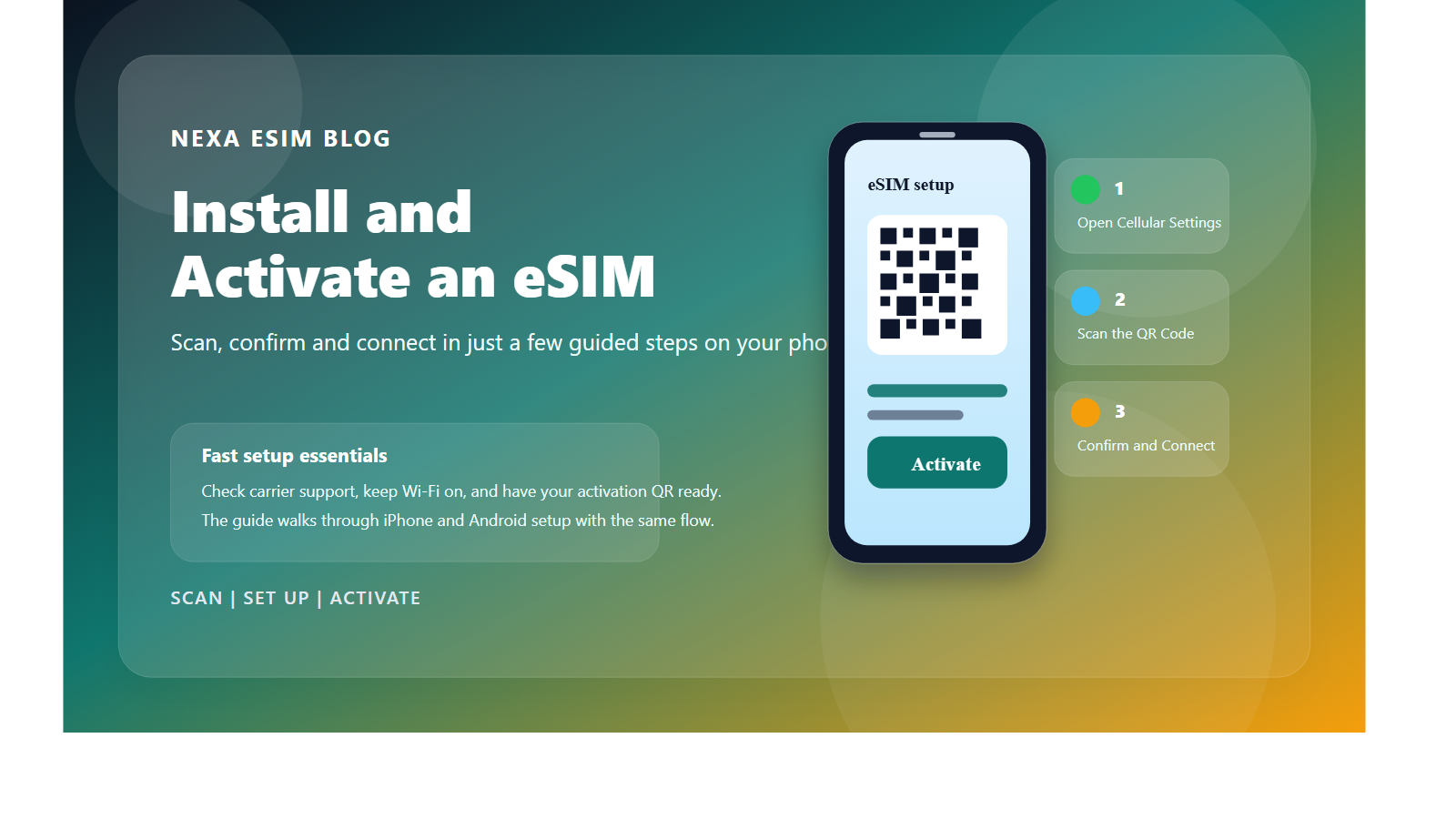
Installation is typically via QR code or manual activation provided after purchase. For step-by-step help, consult the installation guide.
Is it cheaper to buy an eSIM online or at the airport?
Buying online before departure often yields better prices and allows immediate activation on arrival. Airport kiosks are convenient but can be pricier; compare offers on the NZ eSIM page at /esim-nzl.
Which eSIM is best for backpacking New Zealand?
Backpackers should favor plans with flexible top-ups and good regional coverage. Vodafone NZ and Spark have broader reach in popular routes; 2degrees can be more budget friendly. Carry offline maps for remote tracks.
Need a tailored plan? Check available New Zealand eSIM packages and compare plans at /esim-nzl or explore global options at /allcountries.