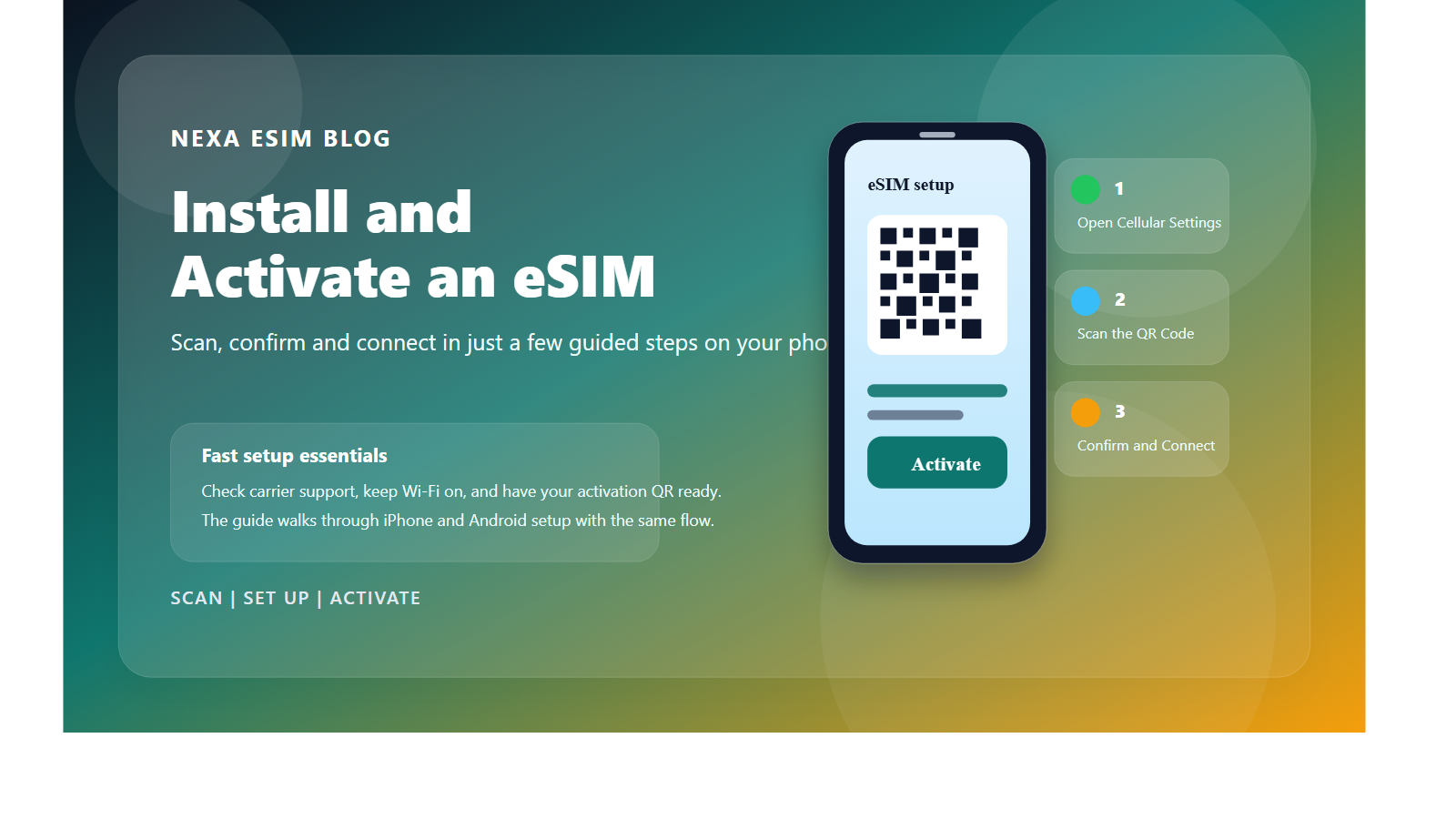
Discover how to stay connected in Myanmar with an eSIM. This comprehensive guide covers the best eSIM options for tourists, network comparisons, must-visit places, and practical connectivity tips for a seamless travel experience.
Quick Answer
For travelers visiting Myanmar, an eSIM is the most convenient way to stay connected. The best eSIM options for Myanmar typically offer coverage through major local carriers like MPT, Ooredoo, and Telenor, with data plans ranging from 1GB to unlimited options. For most tourists, a 5-10GB plan for a week-long trip provides ample data for navigation, social media, and basic communication. Digital nomads and heavy users might consider larger data packages or unlimited plans. You can purchase Myanmar eSIMs online before your trip and activate them upon arrival – check out our recommended Myanmar eSIM packages for the best deals.
Why Choose eSIM for Myanmar Travel
Traveling to Myanmar presents unique connectivity challenges that make eSIMs particularly valuable. Unlike physical SIM cards that require visiting a store and dealing with registration paperwork, eSIMs can be purchased and activated entirely online before you even board your flight. This is especially useful in Myanmar where tourist SIM registration processes can be time-consuming and language barriers may exist at local shops.
eSIMs eliminate the need to physically swap SIM cards, protecting your phone's SIM tray from damage – a practical concern when traveling through Myanmar's diverse landscapes from bustling Yangon to remote Bagan temples. For digital nomads working while traveling Myanmar, eSIMs allow you to maintain your home number for important calls while using local data, all on the same device.
The flexibility of eSIM plans means you can choose exactly how much data you need without being locked into lengthy contracts. Whether you're backpacking Myanmar on a budget or enjoying luxury travel, you can find an eSIM plan that matches your data consumption patterns and travel duration.
Major Mobile Carriers in Myanmar
Myanmar's telecommunications market has evolved significantly in recent years, with several major players providing coverage across the country. Understanding these carriers will help you choose the right eSIM provider that partners with them.
MPT (Myanmar Posts and Telecommunications): As the state-owned operator and the oldest telecommunications company in Myanmar, MPT offers the most extensive coverage, particularly in rural and remote areas. They've been aggressively expanding their 4G network and have begun rolling out 5G in major cities.
Ooredoo Myanmar: This Qatari-backed operator entered the Myanmar market in 2014 and has built a strong network focused on urban centers. They're known for competitive pricing and good customer service, making them popular with both locals and tourists.
Telenor Myanmar (Now merged with ATOM): The Norwegian telecom giant established a significant presence before its operations were transferred to local management. The network continues to operate with decent coverage in populated areas.
When selecting an eSIM for Myanmar travel, ensure your provider partners with at least one of these major carriers to guarantee reliable connectivity throughout your journey.
Network Speed & Coverage Comparison
Network performance in Myanmar varies significantly between urban and rural areas. In major cities like Yangon, Mandalay, and Naypyidaw, you can expect decent 4G speeds suitable for video calls, streaming, and navigation. However, as you venture to more remote destinations like Inle Lake or the temples of Bagan, connectivity may drop to 3G or even 2G in some areas.
Most eSIM providers for Myanmar use MPT's network due to its superior rural coverage, though some may offer Ooredoo as an alternative in urban areas. The actual speed you experience will depend on your location, time of day, and the specific eSIM provider's network agreements.
For the most reliable experience, look for eSIM providers that offer network switching capabilities, allowing your device to automatically connect to the strongest available signal as you travel between regions.
Which Network is Best for Tourists?
For most tourists visiting Myanmar, MPT provides the best overall coverage due to its extensive reach beyond major cities. If you're planning to explore remote areas, ancient temples, or trekking routes, MPT's network will serve you best. However, if your itinerary focuses exclusively on urban centers like Yangon and Mandalay, Ooredoo might offer slightly better speeds in those specific locations.
The reality is that most quality eSIM providers for Myanmar use MPT as their primary network partner, so you'll likely be connected to MPT regardless. What matters more is choosing an eSIM provider with good customer support and clear terms – something you can find in our comprehensive global eSIM comparison.
| Carrier | Coverage | Speed | 5G | Best For |
|---|---|---|---|---|
| MPT | Excellent (best rural coverage) | Good in cities, variable in rural areas | Available in major cities | Travelers exploring beyond cities |
| Ooredoo | Good (strong in urban areas) | Very good in cities | Limited availability | City-focused travelers |
| Telenor/ATOM | Moderate (urban focused) | Good in coverage areas | Limited availability | Budget-conscious urban travelers |
Must-Visit Places in Myanmar
Myanmar offers incredible diversity for travelers, from ancient cultural sites to natural wonders. Staying connected with an eSIM enhances your experience at these destinations.
Yangon: Myanmar's largest city and commercial hub is where most travelers begin their journey. The stunning Shwedagon Pagoda, colonial architecture, and vibrant markets make Yangon a fascinating introduction to the country. Good connectivity here makes it easy to share your first impressions.
Bagan: The ancient city with over 2,000 temples spread across the plains is a UNESCO World Heritage site and Myanmar's crown jewel. An eSIM helps with navigation between temples and capturing those perfect sunrise photos over the pagodas.
Inle Lake: This freshwater lake is known for its floating villages, gardens, and unique leg-rowing fishermen. Connectivity can be spotty on the lake itself, but having an eSIM ensures you're connected when you return to shore.
Mandalay : The cultural heart of Myanmar offers royal palaces, ancient cities, and the famous U Bein Bridge. Good network coverage here supports navigation to multiple historical sites.
Ngapali Beach: For those seeking relaxation, this pristine beach destination offers turquoise waters and palm-fringed shores. While you might want to disconnect, having an eSIM ensures you can check in when needed.
Connectivity Tips for Travelers
Based on extensive travel experience in Myanmar, here are practical tips for staying connected:
1. Purchase and activate your eSIM before arrival: While you can technically activate upon landing, doing it beforehand ensures you're connected immediately when you need navigation from the airport.
2. Download offline maps: Even with good coverage, having offline maps of key areas like Bagan's temple complex or Yangon's downtown provides backup when signal is weak.
3. Use messaging apps over traditional SMS: Apps like WhatsApp, Telegram, and Facebook Messenger work well on Myanmar's networks and are more cost-effective than international texting.
4. Carry a power bank: Long days of exploration combined with navigation and photography will drain your battery. A reliable power bank ensures your eSIM stays active throughout the day.
5. Understand local internet regulations: Some websites and services may be restricted in Myanmar. A quality eSIM provider should offer transparent information about any limitations.
For detailed setup instructions, refer to our comprehensive eSIM installation guide.
Weather & Travel Seasons
Myanmar has three distinct seasons that significantly impact travel experiences and connectivity needs:
Cool Season (November to February): This is peak tourist season with pleasant temperatures (20-30°C) and minimal rainfall. Networks perform best during this dry period, and tourist infrastructure is at its busiest.
Hot Season (March to May): Temperatures can soar above 40°C, especially in central Myanmar. This is the least crowded time for tourism but can be uncomfortably hot for extensive exploration.
Rainy Season (June to October): Monsoon rains bring lush landscapes but can cause transportation disruptions and occasional network issues in remote areas. This is the low season for tourism with fewer crowds.
Your eSIM data usage may vary by season – you might use more data during rainy days spent indoors or less during hot days when you're avoiding phone use in extreme heat.
Best Month for Travel
For most travelers, November through February offers the ideal balance of comfortable weather, good connectivity, and full access to tourist sites. December and January are particularly popular, so book accommodations and eSIMs in advance during these months.
If you prefer fewer crowds and don't mind the heat, March and April can work well, though be prepared for high temperatures that might limit daytime exploration. Your eSIM data usage might increase as you spend more time indoors during the hottest parts of the day.
Budget travelers might consider the shoulder months of October and March, which offer reasonable weather with fewer tourists. During these transition periods, having reliable eSIM connectivity helps with last-minute planning as weather patterns shift.
eSIM Data Plan Recommendation
Choosing the right data plan depends on your travel style and duration. Here's a practical guide based on typical usage patterns observed among Myanmar travelers:
| Travel Days | Usage Type | Recommended Data |
|---|---|---|
| 3 days | Light (navigation, messaging) | 1-2GB |
| 5 days | Moderate (social media, light browsing) | 3-5GB |
| 7 days | Average tourist (photos, maps, research) | 5-7GB |
| 10 days | Active traveler (streaming, regular uploads) | 8-10GB+ |
These recommendations assume typical tourist activities: using Google Maps for navigation, occasional social media updates, messaging, and light web browsing. If you plan to stream video regularly or work remotely, you'll need significantly more data.
Heavy vs Light Users
Understanding your data consumption pattern is crucial for selecting the right Myanmar eSIM plan:
Light Users: If you primarily need connectivity for navigation, occasional messaging, and basic web searches, a smaller data package (1-3GB for a week) will suffice. This category includes travelers who prefer to disconnect frequently or who have access to Wi-Fi at accommodations.
Moderate Users: Most tourists fall into this category – using data for daily navigation, regular photo sharing on social media, restaurant research, and occasional video calls home. A 5-7GB plan for a week typically works well.
Heavy Users & Digital Nomads: If you're streaming content regularly, uploading high-resolution photos/videos, making daily video calls, or working online while traveling Myanmar, consider larger plans (10GB+) or unlimited data options. Digital nomads should particularly look for eSIMs with reliable speeds for video conferencing and large file transfers.
For those needing substantial data, our Myanmar eSIM packages include options suitable for extended stays and high consumption needs.
Buy eSIM for Myanmar
Purchasing an eSIM for Myanmar travel is straightforward when you follow these steps:
1. Research providers: Look for eSIM companies with positive reviews from Myanmar travelers, transparent pricing, and clear terms of service.
2. Check device compatibility: Ensure your smartphone supports eSIM technology and is unlocked. Most newer iPhones (XR and later) and many Android flagships support eSIMs.
3. Select your plan: Choose based on your travel duration and expected usage. Consider whether you need unlimited data or a specific data allowance.
4. Purchase before travel: Buy your eSIM at least 24 hours before departure to allow for any setup issues. You'll receive a QR code via email.
5. Activate upon arrival (or before): Scan the QR code in your phone's cellular settings when you're ready to connect. Some travelers activate just before landing in Myanmar.
6. Test connectivity: Once activated, test your connection with a quick web search or messaging app to ensure everything works properly.
Remember that cheaper isn't always better – a slightly more expensive eSIM from a reputable provider often offers better customer support and more reliable connectivity, which is invaluable when traveling in Myanmar.
FAQ
Q: What is the best eSIM for Myanmar travel?
A: The best eSIM depends on your specific needs. For most tourists, an eSIM using MPT's network with 5-7GB of data for a week-long trip provides the right balance of coverage and value. Check our recommended Myanmar eSIM packages for current options.
Q: Can I buy an eSIM for Myanmar upon arrival?
A: While possible, it's not recommended. Purchasing before travel ensures immediate connectivity when you land and avoids potential language barriers or registration issues at airport kiosks.
Q: Is unlimited data eSIM available for Myanmar travel?
A: Yes, several providers offer unlimited data eSIMs for Myanmar, though true "unlimited" often comes with fair usage policies. These are ideal for digital nomads or heavy users who stream content regularly.
Q: How does eSIM compare to physical SIM for Myanmar tourists?
A: eSIMs are more convenient as they eliminate the need to physically swap cards and can be set up before travel. Physical SIMs might be slightly cheaper locally but require time-consuming registration at a shop.
Q: What if my eSIM doesn't work in Myanmar?
A: Reputable providers offer customer support to troubleshoot issues. Common solutions include manually selecting networks in your phone settings or reinstalling the eSIM profile. Always test your eSIM as soon as you activate it.
Q: Are there cheap eSIM options for backpacking Myanmar?
A: Yes, budget-friendly eSIMs with smaller data allowances (1-3GB) are available and perfect for backpackers who primarily need navigation and occasional connectivity. Look for providers offering flexible short-term plans.
Q: Can I use my Myanmar eSIM in neighboring countries?
A> Most Myanmar eSIMs are country-specific. If traveling to Thailand, Laos, or other neighboring countries, you'll need separate eSIMs or a regional Asia eSIM. Browse our global eSIM options for multi-country travel solutions.