Discover how to stay connected in Canada with an eSIM. This comprehensive guide covers the best networks, data plans, and travel tips for tourists, digital nomads, and backpackers exploring Canada's vast landscapes.
Quick Answer
For travelers heading to Canada, an eSIM is the most convenient way to stay connected. Major carriers like Rogers, Bell, and Telus offer excellent coverage, with Rogers often being the best choice for tourists due to its widespread network and reliable speeds. For most visitors, a 5-10GB data plan covering 7-10 days is sufficient, though heavy users or digital nomads might prefer unlimited data options. You can purchase and activate a Canada eSIM before you arrive through providers like Canada eSIM packages, ensuring instant connectivity upon landing.
For those planning an extended stay, exploring Choosing an eSIM Canada Unlimited 30 Days: Smart Picks for a Month in Canada can provide comprehensive connectivity solutions.
Why Choose eSIM for Canada Travel?
Traveling to Canada presents unique connectivity challenges due to its vast geography, ranging from bustling cities like Toronto and Vancouver to remote wilderness areas. An eSIM solves these challenges elegantly. Unlike physical SIM cards, an eSIM is embedded digitally in your device, allowing you to activate a Canadian data plan before you even board your flight. This means no more hunting for SIM cards at airports or dealing with language barriers at local shops. For tourists, especially those on tight itineraries or visiting multiple regions, the convenience is unmatched. Digital nomads and backpackers will appreciate the flexibility to switch plans or top up data without changing physical cards. Plus, with eSIMs, you can keep your home number active for important calls while using Canadian data for everything else. It's a streamlined, modern solution that aligns perfectly with Canada's tech-forward environment.
If your trip duration is around two weeks, consider reviewing options for Choosing an eSIM Canada unlimited 15 days: a practical guide for two-week trips to ensure seamless connectivity.
Major Mobile Carriers in Canada
Canada's telecommunications market is dominated by three major carriers: Rogers, Bell, and Telus. These providers operate extensive networks that cover most populated areas and many rural regions. Rogers is particularly strong in Ontario and urban centers, while Bell and Telus share infrastructure in western Canada, offering similar coverage. There are also flanker brands like Fido (owned by Rogers), Virgin Plus (Bell), and Koodo (Telus), which often provide more budget-friendly plans with slightly reduced coverage. For travelers, sticking with the big three or their subsidiaries ensures the best reliability, especially if you plan to venture beyond major cities. Regional carriers exist but are less relevant for short-term visitors. Understanding this landscape helps you choose an eSIM plan that partners with the right network for your needs.
For shorter trips, such as a one-week visit, you might find suitable options by looking into Choosing an eSIM Canada Unlimited 7 Days: Simple options for a one‑week trip.
Network Speed & Coverage Comparison
When comparing networks in Canada, coverage and speed are critical factors. Rogers, Bell, and Telus all offer robust 4G LTE and 5G networks in urban areas, with download speeds often exceeding 100 Mbps in cities like Toronto, Montreal, and Vancouver. In rural and remote areas, coverage can be spotty, but these carriers still outperform smaller providers. Rogers tends to have a slight edge in overall geographic coverage, particularly in eastern Canada, while Bell and Telus are strong in the west. 5G availability is expanding rapidly, primarily in metropolitan regions. For most travelers, 4G LTE is more than sufficient for navigation, social media, and streaming. The table below provides a detailed comparison to help you make an informed decision.
Travelers on very short trips can explore specific plans for an eSIM Canada unlimited 5 days: Pick the right plan for a short trip to match their brief itinerary.
| Carrier | Coverage | Speed | 5G | Best For |
|---|---|---|---|---|
| Rogers | Excellent in urban and eastern regions, good in rural areas | Fast 4G/5G, reliable in cities | Widely available in major cities | Tourists visiting cities and popular tourist spots |
| Bell | Strong in western and urban areas, decent rural coverage | High-speed 4G/5G, consistent performance | Available in metropolitan areas | Travelers exploring western Canada like BC and Alberta |
| Telus | Similar to Bell, with shared infrastructure in the west | Comparable to Bell, fast in urban zones | Extensive in urban centers | Those prioritizing network reliability nationwide |
| Fido (Rogers) | Good in urban areas, limited in remote regions | Solid 4G, slower than Rogers | Limited or none | Budget-conscious tourists staying in cities |
| Virgin Plus (Bell) | Urban-focused, weaker in countryside | Decent 4G speeds | Limited | Short-term visitors on a tight budget |
Which Network is Best for Tourists?
For most tourists visiting Canada, Rogers emerges as the top choice due to its extensive coverage and reliability. If your itinerary includes major cities like Toronto, Ottawa, Montreal, or Vancouver, Rogers provides fast and consistent service. Its network is well-optimized for high-traffic tourist areas, ensuring you can use maps, translation apps, and social media without hiccups. For those venturing into national parks or remote regions, Rogers still offers better coverage than many alternatives, though it's wise to download offline maps as a backup. Bell and Telus are excellent alternatives, especially if you're focusing on western Canada—think Banff, Jasper, or Vancouver Island. Budget travelers might consider flanker brands like Fido or Virgin Plus, but be prepared for potential coverage gaps outside urban centers. Ultimately, choosing an eSIM plan that partners with Rogers or Bell/Telus will give you the best balance of performance and reach.
If your journey involves a 10-day multi-city itinerary, it's beneficial to consider an eSIM Canada: Choosing an unlimited data plan for a 10-day multi-city trip to maintain connectivity.
Must-Visit Places in Canada
Canada's diversity offers something for every traveler, from iconic cities to breathtaking natural wonders. In urban settings, Toronto's CN Tower and diverse neighborhoods, Vancouver's Stanley Park and seawall, and Montreal's historic Old Port are must-sees. For nature enthusiasts, Banff and Jasper National Parks in Alberta provide stunning mountain scenery and wildlife viewing. Niagara Falls, on the Ontario border, is a classic tourist destination. The Canadian Rockies offer hiking and skiing opportunities, while the coastal regions of British Columbia are perfect for kayaking and whale watching. Eastern Canada charms with Quebec City's European flair and the maritime beauty of Nova Scotia. Each of these destinations benefits from good mobile coverage in populated areas, but remote spots may have limited service, making an eSIM with a reliable network even more valuable.
Connectivity Tips for Travelers
To maximize your connectivity in Canada, start by ensuring your device is eSIM-compatible—most modern smartphones from the last few years are. Activate your eSIM before departure to avoid roaming charges; providers like ours offer instant activation. Once in Canada, connect to Wi-Fi whenever possible, especially in hotels and cafes, to conserve data. Use offline maps for navigation in remote areas, as cellular signals can be weak in national parks or along highways. For digital nomads or heavy users, consider an unlimited data plan if available, but monitor usage to avoid throttling. Keep your eSIM provider's contact info handy for support, and check out our eSIM installation guide for step-by-step setup help. Remember, Canada's vast size means coverage varies, so plan your online activities around your location.
Weather & Travel Seasons
Canada's weather varies dramatically by region and season, impacting travel plans and connectivity needs. Summers (June to August) are warm and ideal for exploring cities and national parks, with long daylight hours. This is peak tourist season, so networks may be congested in popular areas. Winters (December to February) bring cold temperatures and snow, perfect for skiing but potentially challenging for travel; ensure your eSIM plan includes enough data for weather updates and booking changes. Spring (March to May) and fall (September to November) offer milder weather and fewer crowds, making them great for connectivity without interference. Regardless of season, urban areas maintain strong network performance, while remote regions might experience slower speeds due to weather-related infrastructure issues.
Best Month for Travel
For an optimal balance of weather, crowds, and connectivity, September stands out as the best month to travel to Canada. The summer rush has subsided, temperatures are pleasant, and fall foliage adds stunning colors, particularly in eastern regions. Network congestion is lower than in peak summer, ensuring faster data speeds in tourist hotspots. This month is also ideal for digital nomads and backpackers seeking a quieter experience. If you prefer winter activities, January offers excellent skiing conditions, though be prepared for potential network slowdowns in mountain resorts. For city explorers, May provides similar benefits with blooming landscapes. Whenever you visit, an eSIM will keep you connected seamlessly, enhancing your travel experience.
eSIM Data Plan Recommendation
Choosing the right data plan depends on your travel duration and usage habits. For light users who mainly need maps, messaging, and occasional browsing, a smaller data package suffices. Heavy users streaming videos or working online will require more. Below is a tailored recommendation table to guide your selection. Consider that Canada's networks are efficient, but data usage can add up quickly with high-quality content. Our global eSIM packages offer flexible options, including plans with unlimited data for those who need it. Always check for fair usage policies to avoid surprises.
| Travel Days | Usage Type | Recommended Data |
|---|---|---|
| 3 days | Light (maps, messaging) | 1-2 GB |
| 5 days | Moderate (social media, some streaming) | 3-5 GB |
| 7 days | Heavy (streaming, work online) | 7-10 GB |
| 10 days | Very heavy or digital nomad | 10+ GB or unlimited |
Heavy vs Light Users
Understanding your data needs is key to selecting the perfect eSIM plan for Canada. Light users typically stick to essential apps like Google Maps, WhatsApp, and email, consuming about 500MB to 1GB per week. This suits tourists on brief city tours or nature trips where Wi-Fi is available. Heavy users, including digital nomads, backpackers streaming content, or those relying on video calls, can use 2-5GB per week or more. For unlimited data esim travel Canada options, look for plans that offer high-speed caps before potential throttling. Backpacking across Canada often involves more data usage due to frequent navigation and sharing experiences online. Assess your habits: if you'll be offline often, a light plan works; if connectivity is crucial, opt for a larger or unlimited package from our Canada eSIM selection.
Buy eSIM for Canada
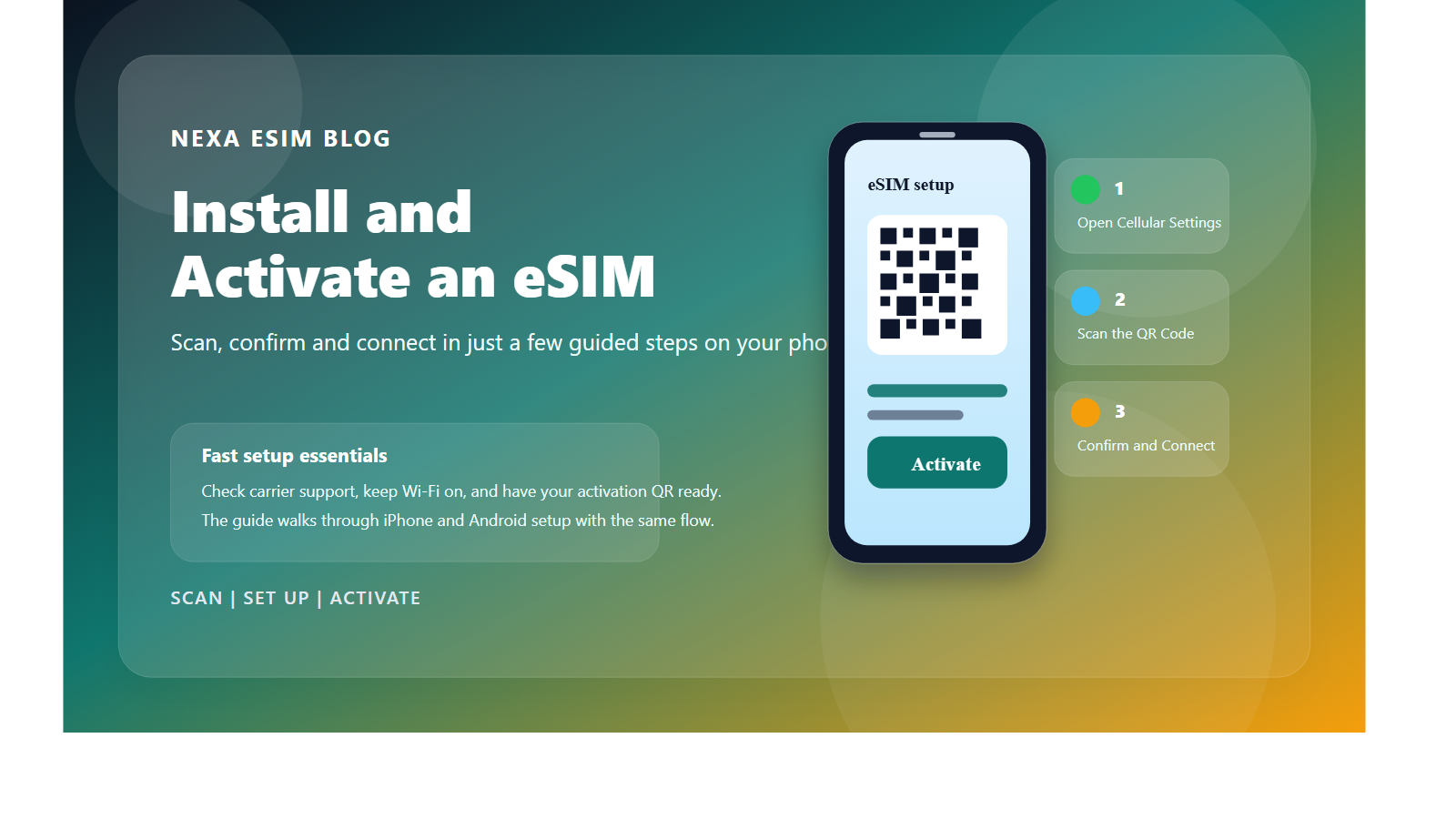
Purchasing an eSIM for Canada is straightforward and best done before your trip. Start by visiting our dedicated Canada eSIM page to browse plans tailored for tourists, from cheap options to unlimited data packages. Select a plan based on your travel days and usage type—options range from 3-day passes to monthly plans. The buying process involves a few clicks: choose your plan, enter your email for the QR code, and pay securely. Upon purchase, you'll receive activation instructions via email. Install the eSIM on your device by scanning the QR code in your settings, and it will be ready to use as soon as you land in Canada. This pre-arrival setup eliminates hassle and ensures you're connected from the moment you arrive, perfect for catching rideshares or contacting accommodation.
FAQ
What is the best eSIM for Canada travel?
The best eSIM depends on your needs: for widespread coverage and reliability, choose a plan partnering with Rogers. For budget options, consider flanker brands, but prioritize coverage if traveling remotely.
How do I buy an eSIM for Canada travel?
You can buy an eSIM online from providers like ours—visit our Canada eSIM page, select a plan, and receive a QR code for instant activation before your trip.
Is there a cheap eSIM for Canada travel?
Yes, budget-friendly eSIMs are available, often through flanker networks like Fido or Virgin Plus. These are ideal for short stays in cities but may have limited rural coverage.
Can digital nomads use eSIMs in Canada?
Absolutely, eSIMs are perfect for digital nomads, offering flexible data plans and reliable connectivity across urban centers. Look for unlimited or high-data options to support remote work.
What about eSIM for backpacking Canada?
Backpackers benefit from eSIMs due to their convenience and no need for physical swaps. Choose a plan with good rural coverage if exploring remote areas, and consider larger data packages for navigation and sharing.
Are there unlimited data eSIMs for Canada?
Yes, some providers offer unlimited data eSIMs for Canada, but check for fair usage policies that might throttle speeds after a certain threshold. These are great for heavy users or long stays.
How do I activate an eSIM for Canada?
Activation is simple: purchase your plan, receive a QR code via email, go to your device's cellular settings, and scan the code to install the eSIM. It activates automatically upon arrival in Canada.