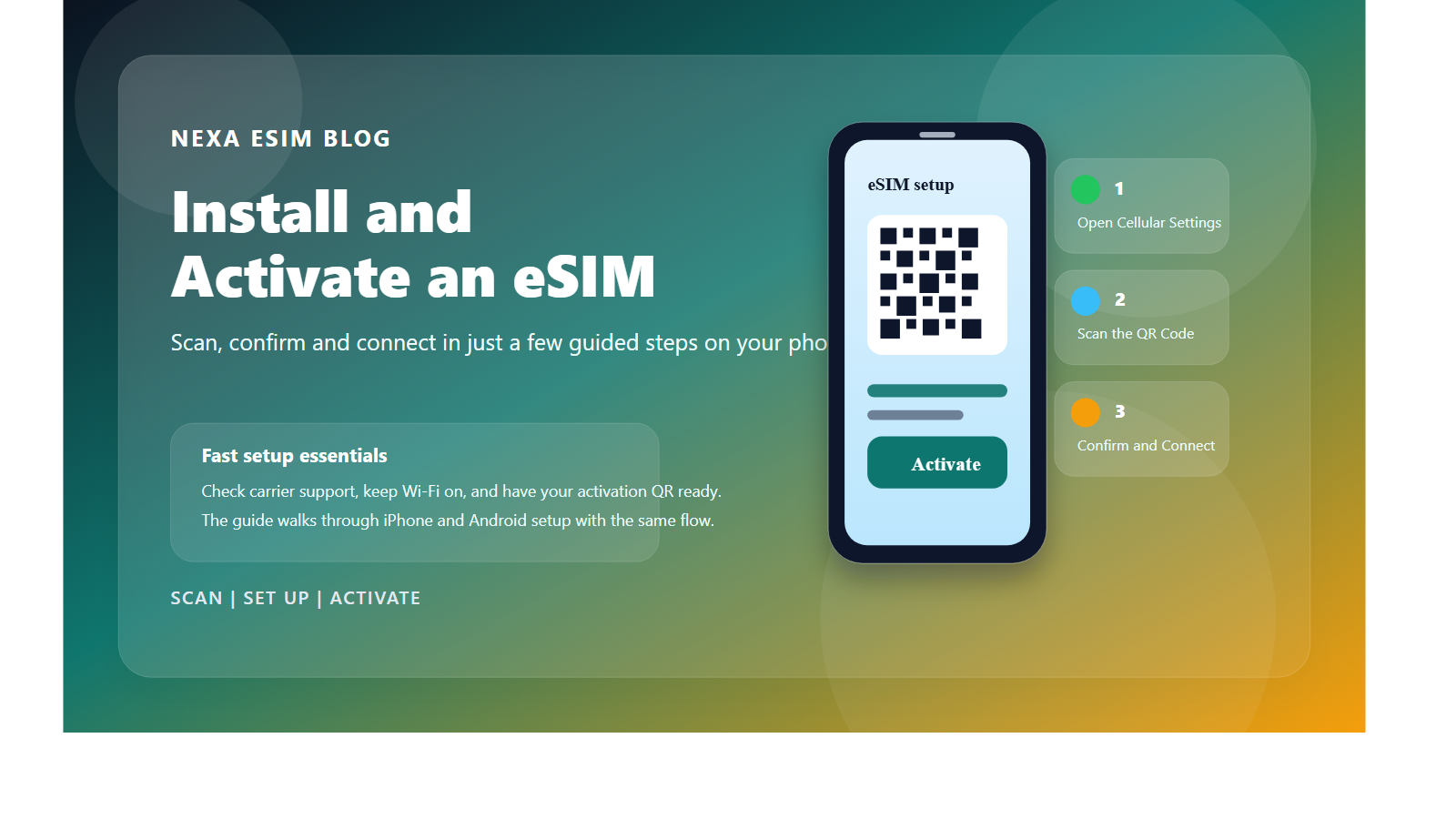
For travelers to Brazil, an eSIM offers unparalleled convenience and reliable connectivity. NexaEsim provides a wide range of data plans, leveraging Claro and TIM S.A. networks for robust 4G/5G coverage across major cities and tourist destinations. Activate your eSIM before departure for instant data upon arrival, ensuring seamless navigation, communication, and sharing throughout your Brazilian adventure.
For travelers heading to Brazil, an eSIM is the most convenient and efficient way to ensure you stay connected. The best eSIM for Brazil travel offers reliable coverage across vibrant cities like Rio de Janeiro and São Paulo, extending to popular natural wonders such as Iguazu Falls. NexaEsim provides a diverse array of plans, utilizing the robust networks of Claro and TIM S.A., with options tailored for every type of traveler, from short-term tourists to digital nomads. Activating your eSIM before you depart ensures instant connectivity upon landing, eliminating the hassle of searching for local SIM cards.
Explore available Esim Brazil plans before your trip.
Key Takeaways for Your Brazil eSIM
- Seamless Connectivity: eSIMs offer digital convenience, allowing activation before arrival and eliminating physical SIM card hassles.
- Dual-Carrier Advantage: NexaEsim partners with Claro and TIM S.A. (72402/72403/72404) for extensive 4G/5G coverage, ensuring dynamic network switching for optimal signal strength.
- Diverse Plan Options: Choose from over 114 NexaEsim packages, ranging from 1 to 30 days, with daily or total data allowances, starting from competitive rates.
- Urban 5G Speeds: Experience some of the world's fastest 5G in major cities like São Paulo and Rio de Janeiro with NexaEsim's network partners.
- Pre-Trip Activation: Install your eSIM profile via QR code or manual entry while on Wi-Fi before departure for immediate data access upon arrival.
- 24/7 Human Support: NexaEsim offers dedicated 24/7 human support, including a 5-minute response guarantee via Zalo Chat, providing peace of mind for travelers.
Why an eSIM is Essential for Your Brazil Trip
Traveling through Brazil's vast and diverse landscapes, from the bustling streets of São Paulo to the remote Amazon rainforest, demands reliable connectivity. An eSIM provides this without the complexities of traditional physical SIM cards. With an eSIM, you can purchase and install your data plan digitally before you even leave home, ensuring you're connected the moment your plane touches down. This is particularly valuable in Brazil, where navigating airports and finding local SIM vendors can be time-consuming, especially for those unfamiliar with Portuguese or local customs. — our global eSIM catalog.
Beyond convenience, an eSIM allows you to maintain your primary phone number for important calls and messages while using a separate data plan for local internet access. This dual-SIM capability is a game-changer for international travelers, digital nomads, and backpackers who need to stay in touch with family or manage work remotely. The flexibility to switch plans, top up data online, and avoid plastic waste also aligns with modern, sustainable travel practices. Whether you're streaming maps to find your way to Christ the Redeemer, sharing real-time updates from Copacabana Beach, or researching your next adventure, an eSIM ensures you remain connected reliably and affordably. For those planning an extended stay, it's worth exploring choosing an eSIM Brazil unlimited 30 days plan to ensure continuous connectivity. — eSIM Brazil 7-day plan for a one-week trip.
NexaEsim for Brazil: Plans, Coverage & Speed
NexaEsim is your premier choice for staying connected in Brazil, offering a robust solution that leverages the country's leading mobile networks. NexaEsim provides more than 114 eSIM and physical SIM plans for Brazil, ensuring a perfect fit for any travel duration or data need. Our packages are designed for ease of use, instant activation, and reliable performance across the nation. — best eSIM Brazil 10-day plan for a multi-city trip.
NexaEsim Brazil Plans at a Glance
NexaEsim offers a wide range of eSIM plans for Brazil, catering to various travel durations and data usage needs. Below is a selection of popular packages, highlighting their data allowances, validity, and suitability for different travelers. All NexaEsim Brazil eSIMs operate on the Claro and TIM S.A. networks, supporting 4G and 5G technology with an APN of `wbdata`. No eKYC is required, and all plans are data-only without a phone number.
| Data | Validity | High-Speed Allowance | Throttled Speed (after allowance) | Price (USD) | Best For |
|---|---|---|---|---|---|
| 500 MB/day | 1 day | 500 MB/day | 128 Kbps | 1.21 | Very light, short city visits |
| 1 GB/day | 3 days | 1 GB/day | 128 Kbps | 4.70 | Standard tourist, short trip |
| 3 GB total | 5 days | 3 GB total | 128 Kbps | 5.51 | Light user, short stay |
| Unlimited | 5 days | 2 GB/day | 5 Mbps | 26.32 | Moderate user, short stay with some streaming |
| 10 GB total | 7 days | 10 GB total | 128 Kbps | 14.99 | Average tourist, one-week trip |
| Unlimited | 7 days | 2 GB/day | 5 Mbps | 36.92 | Heavy user, one-week trip with streaming |
| 2 GB/day | 10 days | 2 GB/day | 128 Kbps | 26.49 | Active user, multi-city trip |
| 50 GB total | 15 days | 50 GB total | 128 Kbps | 65.65 | Heavy user, two-week trip |
| Unlimited | 15 days | 2 GB/day | 5 Mbps | 78.40 | Digital nomad, extended stay with streaming |
| 3 GB/day | 30 days | 3 GB/day | 128 Kbps | 94.08 | Long-stay traveler, daily heavy use |
| Unlimited | 30 days | 2 GB/day | 5 Mbps | 156.58 | Digital nomad, month-long stay with high data needs |
For shorter visits, you might consider eSIM Brazil 5-day plan to cover your essential connectivity needs. — eSIM installation guide.
Network Partners: Claro and TIM S.A.
NexaEsim utilizes the robust mobile networks of Claro and TIM S.A. for its Brazil eSIM packages. These two major carriers provide extensive coverage and reliable service across Brazil, ensuring you stay connected wherever your travels take you. Claro is known for its strong presence and competitive data speeds in metropolitan regions like São Paulo and Rio de Janeiro, while TIM S.A. offers nationwide 4G and urban-focused 5G network coverage, often providing excellent value. This dual-carrier approach means your NexaEsim profile can automatically switch between networks to find the strongest available signal, offering a significant advantage in maintaining consistent high-speed internet.
Explore available Esim Brazil plans before your trip.
Blazing 5G Speeds in Urban Centers
Through its dual-carrier infrastructure on Claro and TIM S.A., NexaEsim users in major Brazilian cities experience some of the fastest 5G speeds in the world, combined with aggressive network availability in urban hubs. According to mobile industry reports from Opensignal and Ookla, Brazil's leading telecommunications operators rank globally for 5G metrics, offering highly reliable connectivity for travelers.
- Blazing Download Speeds: In nationwide testing, Claro and TIM S.A. deliver stunning average 5G download speeds, clocking in at 319 Mbps and 308.1 Mbps respectively. In major city centers like São Paulo, TIM's local 5G speeds have peaked around 393.8 Mbps.
- Low Latency & High Performance: Claro typically sweeps industry awards for 5G Games Experience and Voice Apps, meaning video calls or real-time navigation while walking through busy city streets will experience zero noticeable lag.
While Brazil's vast geography poses general coverage challenges, urban centers and capitals are heavily saturated with 5G cell sites. Because NexaEsim allows your phone to switch between carriers, you get the combined footprint of both networks:
- São Paulo: Highly dense coverage. TIM recently completed massive infrastructure modernizations here, achieving 100% 5G coverage across all neighborhoods in the city.
- Rio de Janeiro: Excellent coverage across tourist hotspots, beaches, and airports. Claro maintains a massive base station footprint here with highly reliable 5G upload speeds (perfect for sharing video content).
- Belo Horizonte (Minas Gerais) & Porto Alegre (Rio Grande do Sul): Both cities feature mature 3.5 GHz spectrum rollouts, with both Claro and TIM operating thousands of active urban antennas.
Inside major cities, NexaEsim users will easily maintain a constant 5G connection. TIM leads the country in overall 5G Availability, meaning users find a 5G signal in a high percentage of the locations they visit. Outside major metropolitan boundaries or into deeper inland areas, your phone will gracefully fall back to 4G LTE. While the major operators have connected all cities with over 100,000 residents to 5G, more remote routes or the Amazon region remain predominantly 4G reliant.
Choosing the Right eSIM Plan for Your Brazil Adventure
Selecting the ideal eSIM plan for your Brazil trip depends on your travel style, duration, and data consumption habits. NexaEsim offers a wide variety of plans to suit every need, from light browsing to heavy streaming and remote work.
Data Recommendations by Trip Duration and Usage
Your data needs in Brazil hinge on whether you're a heavy or light user. Light users typically stick to essential apps like Google Maps, WhatsApp, and email, consuming 1-2 GB per week—ideal for tourists focusing on sightseeing without much media streaming. For them, a basic eSIM plan from NexaEsim with a daily allowance or a smaller total data package works well, minimizing costs. Heavy users, including digital nomads, backpackers sharing content, or those relying on video calls, may use 10 GB or more weekly. They should opt for unlimited data eSIMs or large-capacity plans, often available through NexaEsim's Claro and TIM S.A. networks for better speeds in urban areas. Backpacking Brazil often involves sharing experiences online, so a plan with generous data supports uploading photos and videos from remote locales. Consider tethering if you use multiple devices; some eSIMs allow this, but check restrictions. Balancing usage with activities—e.g., using Wi-Fi for downloads in hotels—can stretch any plan further.
Compare Esim Brazil plans and choose the data allowance that fits your trip.
| Travel Days | Usage Type | Recommended Data (NexaEsim) |
|---|---|---|
| 3 days | Light (maps, messaging) | 1-2 GB total or 500 MB/day |
| 5 days | Moderate (social media, browsing) | 3-5 GB total or 1 GB/day |
| 7 days | Average (some streaming, photos) | 5-10 GB total or 1-2 GB/day |
| 10 days | Heavy (frequent videos, work) | 10+ GB total or Unlimited (1-2 GB/day high-speed) |
| 15 days | Extended (digital nomad, heavy streaming) | 20+ GB total or Unlimited (2 GB/day high-speed) |
| 30 days | Long-stay (digital nomad, work) | 30+ GB total or Unlimited (2-3 GB/day high-speed) |
For those planning a two-week adventure, it's beneficial to review options for an eSIM Brazil 15-day plan for a two-week trip.
Understanding Unlimited Data Plans
NexaEsim offers unlimited data plans for Brazil, which are ideal for digital nomads or heavy users who require constant connectivity without worrying about running out of data. It's important to understand that