Discover how an eSIM for Botswana travel keeps you connected across the Okavango Delta, Chobe National Park, and remote wilderness areas. Compare networks, find the best data plans for tourists and digital nomads, and get essential connectivity tips for your adventure.
Quick Answer
For Botswana travel, an eSIM is the most convenient way to stay connected. Major carriers include Mascom, Orange Botswana, and BTC, with Mascom offering the best overall coverage for tourists visiting national parks and remote areas. For most travelers, a 5-10GB data plan for 7-10 days works well, with options for regional eSIM packages covering multiple countries. Purchase your eSIM before departure for instant activation upon arrival.
Why Choose eSIM for Botswana Travel
Botswana's vast wilderness areas, from the Okavango Delta to the Kalahari Desert, present unique connectivity challenges. Traditional SIM cards require finding a store, presenting identification, and dealing with registration hassles—time you'd rather spend on safari. An eSIM eliminates these barriers entirely.
With an eSIM for Botswana travel, you can activate your data plan before you even board your flight. No physical SIM swap means you keep your home number active while using local data rates. This is particularly valuable for digital nomads and backpackers who need reliable internet for navigation, sharing photos, or remote work between safari excursions.
The convenience factor cannot be overstated. When you're transferring from Maun to Kasane or exploring remote corners of Chobe National Park, having instant connectivity without hunting for a SIM vendor is a game-changer. Plus, eSIMs often offer better value than airport kiosk SIMs and avoid the risk of compatibility issues with locked phones.
Major Mobile Carriers in Botswana
Botswana's telecommunications market is served by three primary operators, each with distinct strengths for travelers:
Mascom: The market leader with approximately 50% share, Mascom offers the most extensive coverage, particularly in rural and wilderness areas. Their network reaches deep into safari regions where other carriers might struggle.
Orange Botswana: Part of the global Orange group, this operator provides competitive urban coverage and good speeds in major towns like Gaborone, Francistown, and Maun. Their international roaming partnerships can be beneficial for travelers visiting multiple Southern African countries.
BTC (Botswana Telecommunications Corporation): The state-owned operator offers solid nationwide coverage with improving infrastructure. While historically stronger in urban areas, BTC has been expanding its rural presence in recent years.
Network Speed & Coverage Comparison
Understanding the practical differences between Botswana's networks helps you choose the right eSIM partner for your itinerary:
| Carrier | Coverage | Speed | 5G | Best For |
|---|---|---|---|---|
| Mascom | Excellent nationwide, best in remote areas | Good to very good in cities, moderate in bush | Available in Gaborone, Francistown, Maun | Safari travelers, remote exploration, overall reliability |
| Orange Botswana | Very good in urban centers, good along major routes | Very good in cities, competitive speeds | Available in Gaborone and select urban areas | City-focused travel, digital nomads needing urban speed |
| BTC | Good nationwide, improving in rural zones | Moderate to good depending on location | Limited availability in major cities | Budget-conscious travelers, mixed urban/rural itineraries |
All three carriers offer 4G/LTE in populated areas, with speeds typically ranging from 10-30 Mbps in cities and 2-10 Mbps in rural safari regions. Network performance can vary significantly based on your specific location—even within national parks, some lodges have better reception than others.
Which Network is Best for Tourists?
For most Botswana travelers, Mascom provides the optimal balance of coverage and reliability. If your itinerary includes safari destinations like the Okavango Delta, Moremi Game Reserve, or Central Kalahari Game Reserve, Mascom's superior rural coverage becomes particularly valuable. You're more likely to have usable signal at remote camps and along transfer routes.
Orange Botswana is an excellent alternative if you'll spend considerable time in urban areas or need faster speeds for video calls or large uploads. Digital nomads based in Gaborone or Maun might prefer Orange for their urban performance.
Consider a dual-network eSIM if available, or check if your eSIM provider offers network switching capabilities. Some global eSIM providers allow you to connect to multiple carriers, ensuring you always have the best available signal.
Must-Visit Places in Botswana
Botswana's connectivity needs vary dramatically by destination. Here's what to expect in key locations:
Okavango Delta
The world's largest inland delta offers breathtaking mokoro (dugout canoe) trips and wildlife viewing. Connectivity here is limited—some luxury camps offer satellite Wi-Fi, but cellular coverage is patchy. Mascom typically has the best signal, but don't expect high-speed internet. This is where having an eSIM with adequate data for offline maps and occasional messaging proves valuable.
Chobe National Park
Famous for its massive elephant herds, Chobe has better connectivity near Kasane town and along the riverfront. You'll find usable 3G/4G signals in these areas, suitable for social media updates and basic browsing. More remote sections of the park have limited to no coverage.
Makgadikgadi Pans
These vast salt pans offer surreal landscapes and unique experiences like quad biking and meerkat encounters. Coverage is extremely limited—consider this a digital detox zone. Download maps, guides, and entertainment before visiting.
Gaborone & Urban Centers
Botswana's capital and other cities like Francistown and Maun have good 4G coverage across all networks, with 5G expanding in central areas. Here you can comfortably video call, stream content, and work remotely if needed.
Connectivity Tips for Travelers
Maximize your Botswana eSIM experience with these practical tips:
Download offline content before remote excursions: Google Maps, translation apps, wildlife guides, and entertainment should be downloaded while you have good Wi-Fi or cellular connection.
Manage expectations in wilderness areas: Even with the best network, safari camps and remote destinations may have limited or no signal. Many luxury lodges offer Wi-Fi, but speeds are often slow and intended for basic communication.
Use messaging apps over traditional calls/texts: WhatsApp, Telegram, and similar services use less data and often work better on intermittent connections.
Consider a power bank: Long safari days mean limited charging opportunities. A reliable power bank ensures your phone—and thus your eSIM connectivity—stays active.
Check your phone's eSIM compatibility before purchasing. Most modern smartphones (iPhone XS/XR and newer, Google Pixel 3 and newer, Samsung Galaxy S20 and newer) support eSIM, but verify with your manufacturer.
Weather & Travel Seasons
Botswana's climate significantly impacts both travel experiences and connectivity:
Dry Season (May-October): Peak tourist season with excellent wildlife viewing as animals congregate around water sources. Weather is pleasant with cool mornings and warm days. This is also when network infrastructure performs most reliably with minimal rain interference.
Wet Season (November-April): Lush landscapes, migratory birds, and fewer tourists characterize this period. Afternoon thunderstorms are common and can temporarily affect cellular signals. Some remote roads become impassable, limiting access to certain areas.
Best Month for Travel
For optimal connectivity combined with fantastic wildlife viewing, June through September represents the sweet spot. These dry winter months offer comfortable temperatures, minimal rain (preserving network reliability), and incredible game viewing as water sources diminish. September is particularly good for the Okavango Delta as floodwaters peak, creating unique water-based safari opportunities.
If you prefer green landscapes and don't mind occasional connectivity interruptions from rain, November or March can be wonderful with fewer tourists and lower prices.
eSIM Data Plan Recommendation
Your data needs depend on travel style, destinations, and usage patterns. Here's a practical guide:
| Travel Days | Usage Type | Recommended Data |
|---|---|---|
| 3 days | Light (maps, messaging, occasional social) | 1-2GB |
| 5 days | Moderate (above plus some browsing, photos) | 3-5GB |
| 7 days | Regular (above plus some video calls, updates) | 5-7GB |
| 10 days | Active (all of the above plus streaming/uploading) | 7-10GB+ |
These recommendations assume mixed urban and safari travel. If you'll be mostly in remote areas with limited connectivity, you can opt for less data. If working remotely or frequently uploading content, consider larger plans.
Heavy vs Light Users
Light users (primarily using maps, messaging, and occasional social media browsing) can comfortably manage with 1GB per week in Botswana. Since you'll have limited connectivity in wilderness areas anyway, a smaller plan often suffices.
Heavy users (digital nomads, content creators, those making frequent video calls) should consider 10GB+ for a 10-day trip, especially if spending time in urban areas. Look for eSIM providers offering unlimited data options if you need maximum flexibility, though be aware that "unlimited" plans often have fair usage policies.
Backpackers and budget travelers might prefer pay-as-you-go style eSIMs that let you top up as needed, while luxury travelers often benefit from larger upfront packages that eliminate the need to monitor data usage.
Buy eSIM for Botswana Travel
Purchasing an eSIM for Botswana is straightforward. Follow these steps:
1. Choose a reputable eSIM provider offering Botswana coverage. Look for providers with transparent pricing, good customer support, and clear terms.
2. Select a data plan matching your itinerary length and usage needs. Consider whether you need regional coverage if visiting neighboring countries like South Africa, Namibia, or Zimbabwe.
3. Complete the purchase online before your trip. You'll receive a QR code via email.
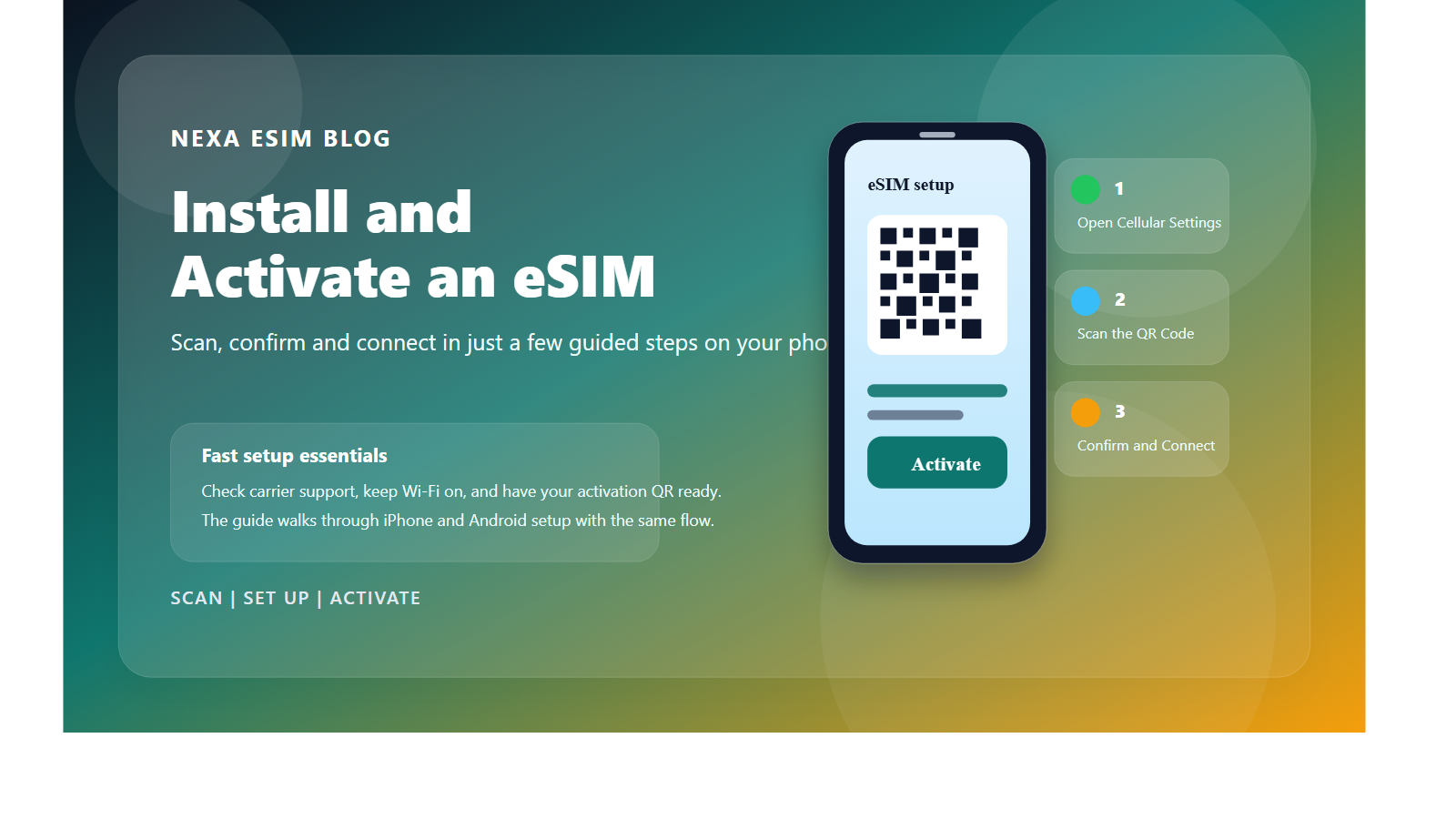
4. Install the eSIM on your device (follow our installation guide for detailed instructions).
5. Activate upon arrival in Botswana or as per provider instructions.
For the best value, compare multiple providers and consider package deals if traveling extensively in Southern Africa. Some providers offer specialized Botswana safari eSIMs optimized for the country's unique connectivity landscape.
FAQ
What is the best eSIM for Botswana travel?
The best eSIM depends on your specific needs. For most tourists, an eSIM using Mascom's network provides the most reliable coverage across safari destinations. For digital nomads spending time in cities, Orange Botswana might offer better speeds. Compare plans from different providers to find the right balance of data, validity period, and price.
Can I buy an eSIM upon arrival in Botswana?
While possible at some airport kiosks or stores in major cities, purchasing before departure is strongly recommended. This ensures instant connectivity when you land and avoids the hassle of finding a vendor. Pre-purchased eSIMs often offer better rates than airport options.
Is there unlimited data eSIM for Botswana travel?
Yes, some providers offer unlimited data eSIM plans for Botswana, though these typically have fair usage policies that may throttle speeds after a certain threshold. For most travelers, capped data plans provide better value, as connectivity in remote areas limits heavy usage anyway.
How do I activate my Botswana eSIM?
Activation is usually automatic upon arrival or when you first connect to a supported network. Some providers require manual activation through their app. Follow your provider's specific instructions—typically involving scanning a QR code during setup and ensuring roaming is enabled on your device.
Will my eSIM work in remote safari camps?
It depends on the specific location and network coverage. Even with Mascom's extensive network, some remote camps have little to no cellular signal. Many luxury lodges provide satellite Wi-Fi for basic communication. Your eSIM will work wherever there's network coverage, but manage expectations in wilderness areas.
Can I use my Botswana eSIM in neighboring countries?
Some eSIM plans offer regional coverage including neighboring countries like South Africa, Namibia, Zambia, and Zimbabwe. Check if your plan includes roaming or consider a regional Africa eSIM package if visiting multiple countries.
What if I need more data during my trip?
Most eSIM providers allow top-ups through their website or app. Purchase additional data as needed—this is particularly useful if your travel plans change or you use more data than anticipated.
Is eSIM better than local SIM for Botswana?
For most tourists, yes. eSIMs offer convenience (no store visits, no SIM swap), often better rates than airport SIMs, and immediate activation. The only advantage of local physical SIMs might be slightly lower costs if purchased from urban stores away from tourist areas, but the time and hassle rarely justify the small savings.