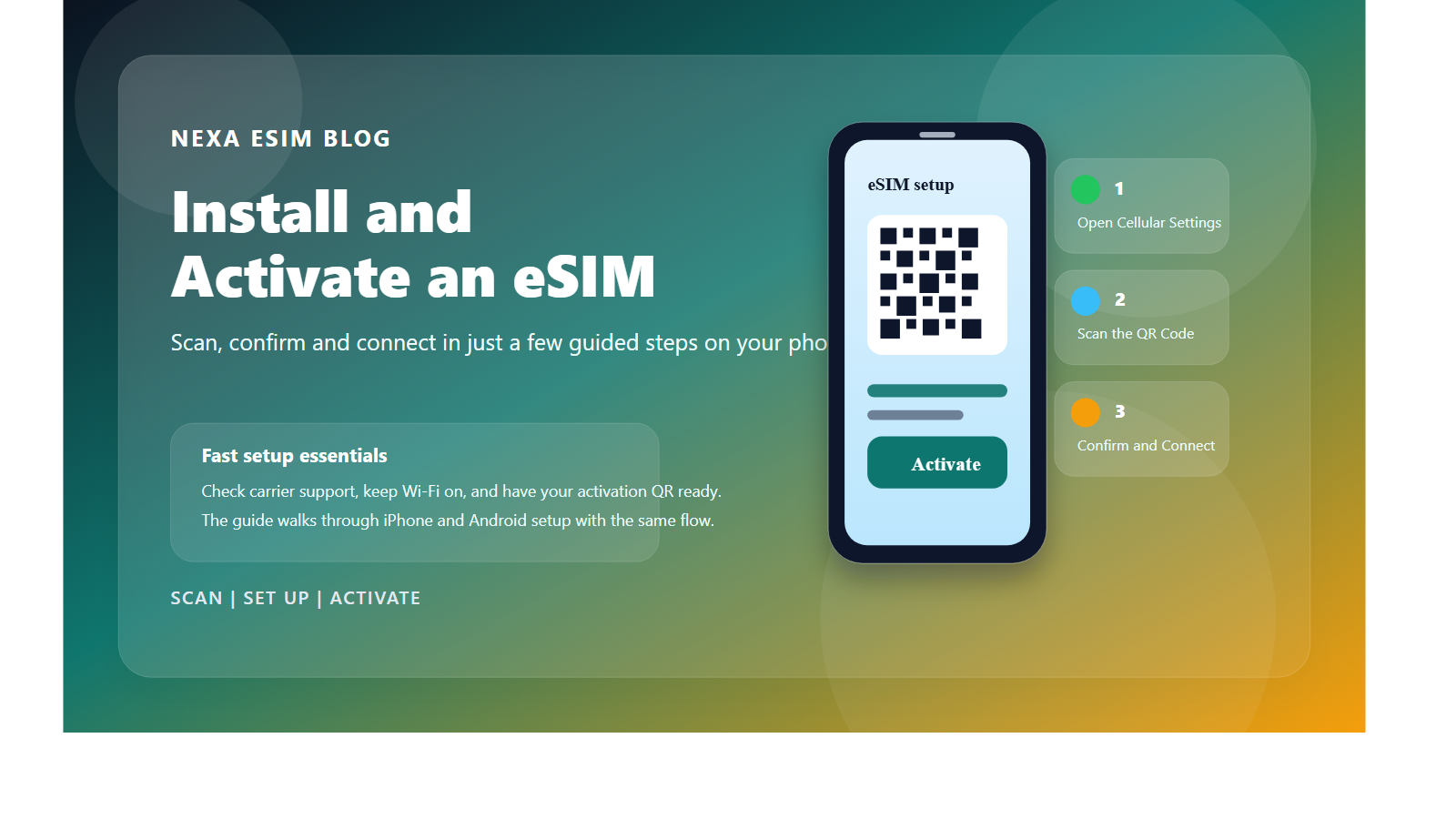
Practical guide to Bhutan eSIM travel: where to buy, which networks work best, coverage, speed comparison, data plan recommendations for backpackers, digital nomads and tourists.
Quick Answer
Yes—using a Bhutan eSIM travel plan is practical for most visitors. Buy an international or local eSIM before arrival for pre-activated data, or switch to a Bhutanese carrier when you land. For most tourists and digital nomads, opt for a mid-size data plan (5–10 GB) for a week; backpackers and heavy streamers should choose larger or unlimited global plans if available. Read on for carrier comparisons, recommended plans, coverage notes for remote valleys and practical setup tips.
Why Choose eSIM for Bhutan
Bhutan is mountainous and sparsely populated, with reliable mobile service concentrated in cities, main roads and popular trekking valleys. An eSIM gives you:
- Immediate connectivity on arrival without a physical SIM swap.
- Flexibility to add short-term data plans for tourism or remote work.
- Dual-SIM phones can keep your home number active while using local data.
- Easy top-ups for extended stays—handy for digital nomads and backpackers.
For the best experience, combine an international eSIM bought in advance with a local top-up if you plan to visit remote regions.
Major Mobile Carriers in Bhutan
Bhutan has a small but competitive telecom market. The major carriers are:
- Bhutan Telecom (B-Mobile): state-owned operator, widespread coverage in towns and along roads.
- TashiCell: strong retail presence and solid urban coverage.
- Technical/regional MVNOs and international eSIM resellers offering roaming profiles optimized for visitors.
When you buy eSIM for Bhutan travel in advance, you’ll often get plans that route through local partners like these carriers.
Network Speed & Coverage Comparison
Coverage and speed vary dramatically by elevation and distance from main highways. Expect reliable 3G/4G in Thimphu, Paro, and the Punakha valley; slower or spotty service on high-altitude treks and lesser-traveled eastern dzongkhags.
| Carrier | Coverage | Speed | 5G | Best For |
|---|---|---|---|---|
| Bhutan Telecom (B-Mobile) | Major towns, highways, selected valleys | Good in cities; moderate in valleys | No widespread 5G yet | General tourists, hotel bookings, maps |
| TashiCell | Urban centers and many tourist hubs | Good in towns; variable in rural areas | Limited trials or none | Visitors needing retail support and top-ups |
| International eSIM Providers | Depends on local roaming partners (B-Mobile/TashiCell) | Comparable to local carriers (depends on plan) | Generally no 5G in roaming plans | Short-term visitors; easy activation pre-travel |
Which Network is Best for Tourists?
For tourists: start with an international eSIM for Bhutan to get online on arrival, then buy a local top-up from Bhutan Telecom or TashiCell if you need extended coverage in towns. Bhutan Telecom tends to offer the broadest geographic coverage while TashiCell is convenient for walk-in retail support. If you need uninterrupted GPS and frequent uploads, prioritize local SIMs in addition to your eSIM for backup.
Must-Visit Places in Bhutan
Connectivity matters most at these popular sites—plan ahead:
- Paro: Paro Taktsang (Tiger’s Nest) and Paro International Airport—good coverage in town but patchy on the trail.
- Thimphu: Bhutan’s capital—best for banking, coworking, and initial setup.
- Punakha: Famous dzong and river valley—decent coverage in town.
- Phobjikha Valley: Scenic and rural—expect limited signal in valleys.
- Trongsa and Bumthang: Cultural heartlands—variable coverage; plan downloads before lengthy drives.
Connectivity Tips for Travelers
- Buy a pre-paid eSIM before leaving home so you have data on landing—this saves time at Paro International Airport.
- Enable offline maps (download Bhutan regions in Google Maps or Maps.me) before remote drives or treks.
- Carry a power bank—mountain routes have long stretches without charging options.
- Use local Wi‑Fi at hotels and lodges for large backups and streaming; cellular is best for navigation and messaging.
- If you need assistance with installation, consult the official installation guide for step-by-step help.
- For longer stays, consider topping up local credit at carrier retail outlets in Thimphu or Paro.
Weather & Travel Seasons
Bhutan’s climate affects travel and connectivity planning:
- Spring (Mar–May): Clear skies, ideal trekking and festivals; cellular service improves with accessibility.
- Summer/Monsoon (Jun–Aug): Heavy rain can cause road closures and temporary network interruptions in remote valleys.
- Autumn (Sep–Nov): Best visibility, stable travel conditions, great festival season.
- Winter (Dec–Feb): Cold and clear in lowlands; high passes may be closed and coverage is weaker at altitude.
Best Month for Travel
October is often the best month: post-monsoon clarity, comfortable temperatures and stable road access—ideal for photography, treks and reliable connectivity in tourist hubs.
eSIM Data Plan Recommendation
Choose plans based on trip length and usage. If you prefer pre-paid convenience and seamless activation, consider buying eSIM packages from global retailers or local providers via the all countries catalog before you go.
| Travel Days | Usage Type | Recommended Data |
|---|---|---|
| 3 days | Light: maps, messaging, occasional photos | 1–3 GB |
| 5 days | Moderate: navigation, social, several uploads | 3–6 GB |
| 7 days | Active tourist: streaming, cloud backups, regular uploads | 6–12 GB |
| 10 days | Heavy: digital nomads, video uploads, frequent streaming | 12–25+ GB or unlimited roaming plans |
Heavy vs Light Users
Light users (maps, messaging, light photo sharing): buy a small short-term eSIM (1–5 GB). Heavy users (streaming, remote work, frequent backups): choose larger data allowances or an unlimited global eSIM if you can find one that covers Bhutan. Note: truly unlimited local plans are rare—check fair-use policies and speed caps before purchasing.
Buy eSIM for Bhutan
Options to buy an eSIM for Bhutan travel:
- International eSIM vendors—buy online before you leave for instant activation on arrival. These often route via local carriers.
- Local carrier retail stores—Bhutan Telecom and TashiCell sell tourist SIMs and top-ups in towns (useful if you need in-person help).
- Visit the All Countries catalog to compare regional packages and offers for Bhutan.
Tip: ensure your phone is eSIM-capable and unlocked. If you need help during setup, follow the installation guide for carrier-specific instructions.
FAQ
Do eSIMs work in Bhutan?
Yes—many international eSIMs and local carrier profiles work in Bhutan, with the best performance in towns and along major roads.
Can I buy an eSIM on arrival in Bhutan?
Some providers let you purchase eSIMs online and activate them on arrival; local carriers sell physical SIMs and may offer eSIMs at stores in Thimphu or Paro—stock and services vary.
Is 5G available in Bhutan?
As of this guide, 5G is not widely available. Expect 4G/LTE or 3G in most populated areas.
Which eSIM is best for backpacking Bhutan?
Backpackers should prioritize coverage and battery planning: a local SIM with good rural coverage (Bhutan Telecom) plus an international eSIM for immediate connectivity provides flexibility. Choose plans with top-up options.
Can digital nomads rely on eSIMs in Bhutan?
Short-term remote work is possible in Thimphu and larger towns with reliable 4G and hotel Wi‑Fi. For extended work, plan redundancies—local fixed-line options and coworking spaces are limited.
Where to get the cheapest eSIM for Bhutan?
Compare the international vendors and local top-ups. 'Cheap' depends on data per cost; sometimes buying a local SIM in-country is the most cost-effective for long stays.
If you’re ready to compare real-time options, check the All Countries catalog to view current Bhutan packages and make an informed choice.
Note: Regulations and offerings can change—confirm details with your chosen eSIM provider before purchase.