Discover the ultimate guide to using eSIM in Argentina for seamless travel connectivity. Compare top carriers, find the best data plans for tourists and digital nomads, and get expert tips for staying connected from Buenos Aires to Patagonia.
Quick Answer
For most travelers visiting Argentina, an eSIM from Claro or Personal provides the best combination of coverage and speed. Digital nomads and heavy data users should consider unlimited data plans, while budget-conscious tourists can find affordable regional packages. The best time to buy is before arrival to ensure immediate connectivity at airports like Ezeiza (EZE) or Aeroparque (AEP). For a seamless experience, check out our recommended Argentina eSIM plans tailored for different travel styles.
Even for shorter getaways, such as a quick five-day visit, selecting eSIM Argentina: Choosing the Right Unlimited eSIM for a 5-Day Trip can greatly enhance your travel experience.
Why Choose eSIM for Argentina Travel
Argentina's vast geography—from bustling Buenos Aires to remote Patagonian landscapes—makes reliable connectivity essential for modern travelers. Traditional SIM cards require physical stores and registration, while eSIM technology allows instant activation before you even land. This is particularly valuable for digital nomads who need immediate access to maps, translation apps, and communication tools. With an Argentina eSIM, you avoid the hassle of finding local shops, dealing with language barriers for registration, and potentially paying tourist premiums for physical SIMs.
If your trip is shorter, focusing on a single week, you might find the ideal solution in an eSIM Argentina unlimited 7 days — pick the right plan for a one-week trip.
The convenience extends beyond initial setup. eSIMs allow you to maintain your home number while adding a local data plan, perfect for travelers who need both local and international connectivity. For backpackers moving between multiple South American countries, regional eSIM packages offer seamless cross-border connectivity without changing physical cards. Our global eSIM catalog includes options specifically designed for multi-country South American itineraries.
For travelers planning a slightly longer stay, perhaps a multi-city itinerary, considering Choosing an eSIM Argentina Unlimited for a 10-Day, Multi-City Trip might be more appropriate.
Major Mobile Carriers in Argentina
Argentina's telecommunications market is dominated by three major providers, each with distinct strengths for travelers. Understanding these carriers helps you choose the right eSIM partner for your journey.
For those embarking on an extended journey, a comprehensive eSIM Argentina Unlimited 30 Days: Choose the Right Month-Long Plan can provide peace of mind.
Claro: As Argentina's largest mobile operator, Claro offers the most extensive national coverage, particularly valuable for travelers venturing beyond major cities. Their network reaches most tourist destinations including Iguazú Falls, Mendoza wine regions, and Patagonian trekking bases.
Personal: Owned by Telecom Argentina, Personal provides excellent urban coverage and competitive data speeds in metropolitan areas. They're particularly strong in Buenos Aires, Córdoba, and Rosario—ideal for city-focused travelers and digital nomads working from urban centers.
Movistar: The Spanish-owned operator offers reliable service in populated areas and along major transportation corridors. While their rural coverage isn't as extensive as Claro's, they provide good value for budget-conscious travelers sticking to established tourist routes.
Network Speed & Coverage Comparison
| Carrier | Coverage | Speed | 5G | Best For |
|---|---|---|---|---|
| Claro | Excellent nationwide, strongest in remote areas | Fast in cities, moderate in rural zones | Available in major cities | Backpackers, road trippers, Patagonia explorers |
| Personal | Strong urban coverage, good along highways | Fastest in metropolitan areas | Widest 5G availability | Digital nomads, city tourists, business travelers |
| Movistar | Good in populated areas, limited in wilderness | Reliable in cities, variable elsewhere | Limited 5G rollout | Budget travelers, short city stays |
When evaluating Argentina eSIM options, consider both coverage and speed based on your itinerary. Claro's extensive reach makes it the safest choice for comprehensive travel, while Personal delivers superior performance for urban adventures. All three carriers support eSIM technology, though activation processes and plan options vary.
Which Network is Best for Tourists?
The optimal network depends entirely on your travel style and destinations within Argentina. For most tourists covering multiple regions, Claro provides the most reliable nationwide service. Their coverage ensures connectivity even in less populated areas like the Andean northwest or southern Patagonia, where other networks may have gaps.
Digital nomads and travelers spending significant time in Buenos Aires or other major cities will appreciate Personal's faster urban speeds and wider 5G availability. This is particularly valuable for video calls, large file transfers, and streaming content during downtime.
Budget-conscious travelers on short city-focused itineraries might find Movistar offers sufficient service at competitive rates. However, if your plans include remote natural attractions or extensive road trips, investing in Claro or Personal coverage is worth the slightly higher cost.
Remember that many eSIM providers offer packages that automatically connect to the best available network in each location. This hybrid approach can provide optimal coverage without manual switching—check if your chosen Argentina eSIM package includes this feature.
Must-Visit Places in Argentina
Argentina's diverse landscapes and cultural experiences require different connectivity considerations. Here are essential destinations and what to expect network-wise:
Buenos Aires: Argentina's capital offers excellent connectivity across all networks. You'll find strong 4G/LTE and growing 5G coverage throughout the city, perfect for navigating its distinct neighborhoods, booking tango shows, and sharing photos of colorful La Boca.
Iguazú Falls: This natural wonder on the Brazilian border has good coverage from Claro and Personal. Connectivity is reliable at the falls themselves and in Puerto Iguazú town, though speeds may decrease during peak tourist hours.
Patagonia (El Calafate & El Chaltén): These trekking hubs have functional coverage, primarily from Claro. Service is available in towns but becomes spotty on trails—download offline maps before heading into the mountains.
Mendoza Wine Region: Vineyard areas around Mendoza city have decent coverage, though some remote bodegas may have limited service. All three carriers work well in the city center.
Salta & Jujuy (Northwest): This culturally rich region has variable coverage. Stick to Claro for the most consistent service between colorful mountain towns and salt flats.
Connectivity Tips for Travelers
Maximize your Argentina eSIM experience with these practical tips from seasoned travelers:
Activate Before Arrival: Set up your eSIM while still at home or during your flight. This ensures immediate connectivity upon landing—crucial for ride-sharing apps, translation tools, and contacting accommodations.
Download Essential Content: Use Wi-Fi at hotels or cafes to download offline maps (Google Maps or Maps.me), translation packs, and entertainment for long bus journeys between destinations.
Monitor Data Usage: While many eSIM providers offer generous data packages, streaming video consumes significant bandwidth. Adjust video quality settings and use Wi-Fi for large downloads when available.
Carry a Power Bank: Argentina's stunning landscapes invite extensive photography and navigation, quickly draining batteries. A reliable power bank ensures your eSIM-enabled device stays operational throughout the day.
Understand Local Internet Culture: Many Argentine cafes and restaurants offer free Wi-Fi with purchase. These connections are generally safe for casual browsing but avoid sensitive transactions on public networks.
For detailed setup instructions, consult our comprehensive eSIM installation guide covering various device models and troubleshooting steps.
Weather & Travel Seasons
Argentina's reverse seasons (compared to the Northern Hemisphere) and varied geography significantly impact travel planning and connectivity needs:
Summer (December-February): Peak tourist season with warm temperatures nationwide. Coastal areas like Mar del Plata get crowded, while Patagonia offers pleasant hiking conditions. Network congestion may slightly reduce speeds in popular destinations.
Autumn (March-May): Shoulder season with comfortable temperatures and fewer crowds. Excellent for Mendoza wine harvest experiences and Buenos Aires exploration. Connectivity is generally reliable with less network strain.
Winter (June-August): Ski season in the Andes, while northern regions remain mild. Patagonia gets cold with some road closures. Mountain resorts have good coverage, but remote areas may experience service interruptions during storms.
Spring (September-November): Another shoulder season with blooming landscapes and moderate crowds. Ideal for visiting multiple regions as weather stabilizes nationwide.
Best Month for Travel
For optimal weather and connectivity, April and October strike the perfect balance. These shoulder months offer pleasant temperatures across most regions, manageable tourist crowds, and reliable network performance without peak-season congestion.
April provides autumn colors in northern regions while maintaining decent trekking conditions in Patagonia before winter closures. October brings spring blossoms and reopening of southern routes with comfortable city temperatures. Both months typically see fewer connectivity issues compared to the crowded December-February peak.
Digital nomads might prefer September-November, when mild weather facilitates both urban work sessions and weekend excursions. Backpackers on tight budgets find May-June offers lower prices with still-functional connectivity in most destinations.
eSIM Data Plan Recommendation
Choosing the right data package prevents either wasteful overspending or frustrating shortages. Consider both your travel duration and usage patterns:
| Travel Days | Usage Type | Recommended Data |
|---|---|---|
| 3 days | Light (maps, messaging, occasional photos) | 1-2GB |
| 5 days | Moderate (social media, navigation, some browsing) | 3-5GB |
| 7 days | Active (regular uploading, research, video calls) | 5-10GB |
| 10 days | Heavy (streaming, remote work, constant connectivity) | 10GB+ or unlimited |
These recommendations assume typical tourist activities. Adjust upward if you plan extensive video streaming, large file transfers, or constant hotspot usage. Many eSIM providers offer flexible top-up options if you underestimate your needs.
For a two-week adventure, it's essential to consider eSIM Argentina: Choosing an Unlimited 15‑Day Plan That Actually Works to ensure continuous connectivity.
Heavy vs Light Users
Understanding your data consumption pattern ensures you select the most cost-effective Argentina eSIM plan:
Light Users: Typically use 0.5-1GB per week for essential navigation, messaging, and occasional photo sharing. This category includes travelers who primarily use Wi-Fi at accommodations and limit mobile data to outdoor exploration. Budget regional eSIM packages often suffice for light users.
Moderate Users: Consume 1-2GB weekly for regular social media updates, web browsing between destinations, and occasional video calls. Most standard tourist plans accommodate moderate usage comfortably.
Heavy Users: Require 3GB+ weekly for frequent streaming, remote work requirements, or extensive photo/video uploading. Digital nomads, travel influencers, and those working remotely should consider unlimited data plans or high-capacity packages. Some providers offer specialized digital nomad eSIM plans with features like multiple country coverage and high-speed thresholds.
When in doubt, start with a moderate plan and monitor usage through your device settings. Most eSIM providers allow easy upgrades if needed.
Buy eSIM for Argentina
Purchasing an Argentina eSIM is straightforward when you know what to look for. Follow this process for optimal results:
1. Choose a Reputable Provider: Select an eSIM company with positive reviews from Argentina travelers. Look for transparent pricing, clear coverage maps, and responsive customer support—especially important if you encounter activation issues in a different time zone.
2. Select the Right Package: Match the plan to your itinerary length and data needs. Consider whether you need Argentina-only coverage or a regional plan if visiting neighboring countries. Many backpackers find South American regional packages offer better value for multi-country trips.
3. Check Device Compatibility: Ensure your smartphone supports eSIM technology and is unlocked from carrier restrictions. Most recent iPhones, Google Pixels, and Samsung Galaxy models are compatible, but verify your specific model.
4. Purchase Before Travel: Buy and install your eSIM at least 24 hours before departure. This allows time for any setup issues and ensures immediate connectivity upon arrival.
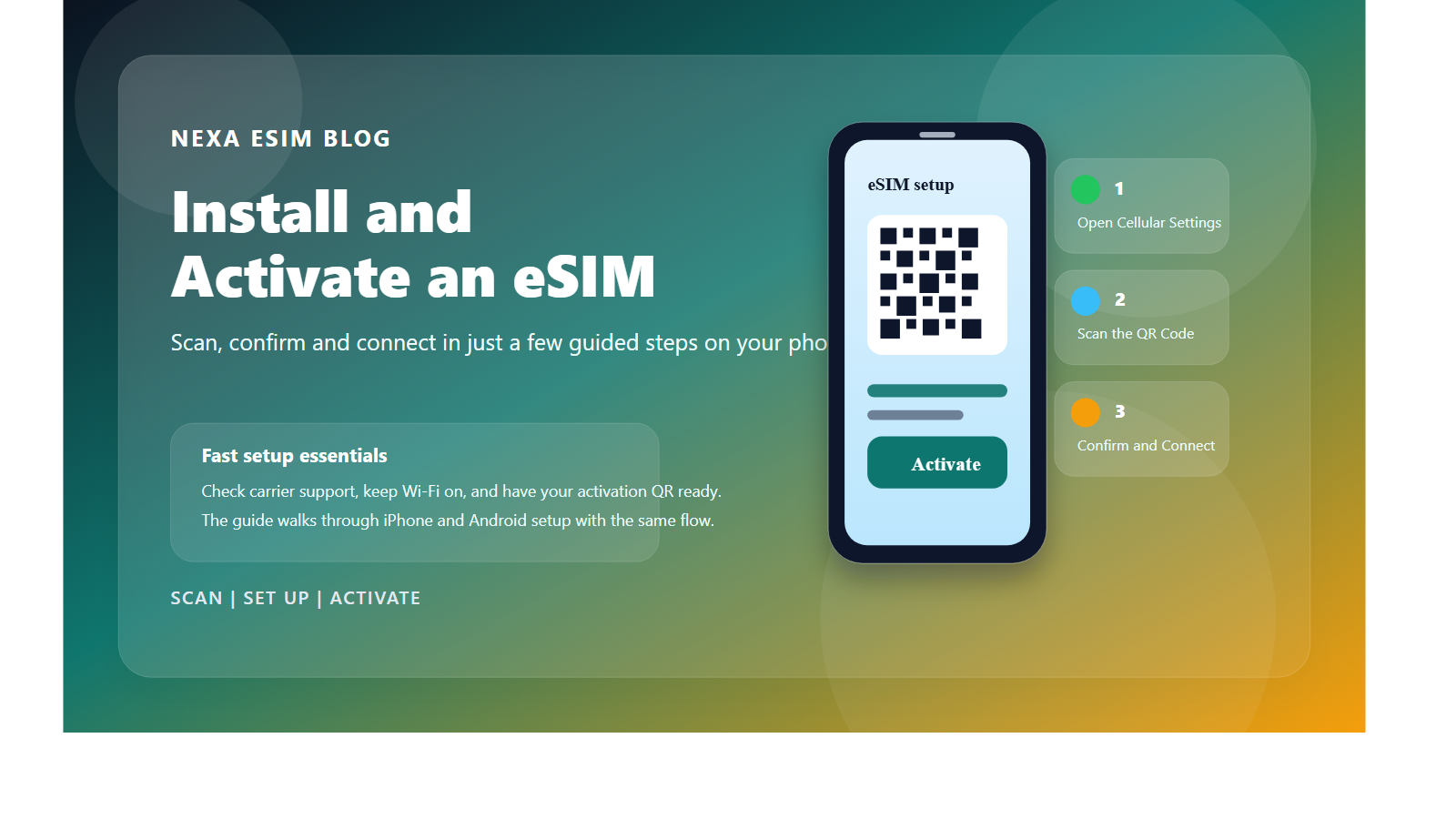
5. Follow Activation Instructions Carefully: Each provider has slightly different activation steps. Typically, you'll receive a QR code to scan in your device settings, followed by network selection prompts.
For curated options, browse our recommended Argentina eSIM packages that balance coverage, data allowances, and value for different travel styles.
FAQ
What is the best eSIM for Argentina travel?
For most travelers, eSIM packages using Claro or Personal networks provide the best combination of coverage and speed. The specific "best" choice depends on your itinerary—Claro for comprehensive nationwide coverage, Personal for optimal urban performance.
Can I buy an eSIM for Argentina as a tourist?
Yes, tourists can easily purchase Argentina eSIMs online before or during their trip. Unlike physical SIMs that often require in-person registration, eSIMs can be activated remotely, making them ideal for tourists.
Are there unlimited data eSIM options for Argentina?
Several providers offer unlimited data eSIM plans for Argentina, though most have fair usage policies that may reduce speeds after certain thresholds. These are particularly valuable for digital nomads and heavy data users.
What's the cheapest eSIM for Argentina travel?
Budget eSIM options typically offer smaller data packages (1-5GB) on Movistar or Claro networks. For the best value, compare per-gigabyte costs rather than just upfront prices, and consider regional packages if visiting multiple countries.
How do I set up an eSIM for Argentina?
After purchase, you'll receive a QR code via email. Go to your phone's cellular settings, select "Add Cellular Plan," scan the QR code, and follow prompts to activate. The process takes 5-10 minutes with stable internet.
Is eSIM good for backpacking Argentina?
Excellent. eSIMs eliminate the need to find SIM card vendors in each destination and allow easy switching between networks for optimal coverage as you move between regions. Many backpackers appreciate the convenience.
Which airports in Argentina have good eSIM connectivity?
Ministro Pistarini International Airport (EZE) in Buenos Aires and Aeroparque Jorge Newbery (AEP) both have strong coverage from all major carriers, making eSIM activation upon arrival straightforward.
Can I use my Argentina eSIM in other South American countries?
Some Argentina eSIM packages include regional coverage for neighboring countries like Chile, Uruguay, and Brazil. Check package details before purchase if planning multi-country travel.
What happens if my eSIM doesn't work in Argentina?
Reputable providers offer customer support to troubleshoot activation issues. Common solutions include manual network selection, APN configuration, or reinstallation. Having a backup plan (like knowing your accommodation's Wi-Fi password) is wise.
How much data do I need for 2 weeks in Argentina?
For typical tourist use, 5-10GB suffices for two weeks. Heavy users streaming regularly or working remotely should consider 15GB+ or unlimited plans. Monitor your usage during the first few days to gauge needs accurately.