Discover how to stay connected in Malaysia with an eSIM. This expert guide covers the best mobile networks, coverage maps, data plans for tourists, and essential travel tips for a seamless digital experience.
Traveling to Malaysia offers an incredible blend of modern cities, lush rainforests, and pristine beaches. Staying connected is essential for navigating, sharing experiences, and staying in touch. An eSIM provides the perfect solution, eliminating the hassle of physical SIM cards and offering instant connectivity upon arrival. As a global travel telecom expert, I've tested networks across Malaysia and compiled this comprehensive guide to help you choose the best eSIM for your journey.
For those specifically visiting the historic city, consider an eSIM for George Town (Penang) travel to ensure seamless connectivity.
Quick Answer
For most tourists visiting Malaysia, Celcom or Maxis offer the best combination of nationwide coverage and fast speeds, making them ideal for eSIM plans. Digital nomads and heavy data users might prefer Maxis for its superior 5G network in urban areas, while budget-conscious travelers can find reliable service with Digi. Purchase your eSIM before arrival through providers like NexaEsim Malaysia eSIM plans to activate immediately upon landing at Kuala Lumpur International Airport (KLIA) or other entry points.
If your adventure takes you to East Malaysia, securing an eSIM for Kota Kinabalu Travel will keep you connected in Sabah.
Why Choose eSIM for Malaysia Travel
Malaysia's diverse landscapes—from the skyscrapers of Kuala Lumpur to the remote jungles of Borneo—require reliable connectivity that traditional SIM cards can complicate. An eSIM solves this by allowing you to download a digital SIM profile before you travel. You avoid queues at airport kiosks, don't need to swap physical cards (especially useful for dual-SIM phones), and can often manage your plan entirely through an app. For backpackers hopping between Peninsular Malaysia and East Malaysia, or digital nomads working from cafes in George Town, eSIMs provide seamless switching between local networks without hardware changes.
To ensure optimal connectivity in the capital, consider purchasing an eSIM for Kuala Lumpur Travel specifically designed for urban exploration.
Major Mobile Carriers in Malaysia
Malaysia's telecom market is competitive, with several carriers offering extensive services. The main players are Celcom, Maxis (through its Hotlink brand), Digi (now part of Celcom Digi Berhad), and U Mobile. Unifi Mobile (by Telekom Malaysia) also provides services, primarily focusing on fixed-mobile convergence. Each carrier has strengths: Celcom leads in rural coverage, Maxis excels in urban speed, Digi offers value, and U Mobile targets younger users with affordable data. As a tourist, you'll typically access these through MVNOs (Mobile Virtual Network Operators) or global eSIM providers that partner with them.
Beyond the capital, visitors to the historic city of Malacca can also benefit from an eSIM for Malacca Travel to navigate its charming streets.
Network Speed & Coverage Comparison
Coverage and speed vary significantly across Malaysia. Peninsular Malaysia (West Malaysia) has excellent coverage in cities and along highways, while East Malaysia (Sabah and Sarawak) has more sporadic service, especially in remote areas. Based on practical testing, Maxis and Celcom generally provide the most consistent 4G/LTE and 5G speeds in urban centers like Kuala Lumpur, Penang, and Johor Bahru. Digi and U Mobile are reliable in populated areas but may struggle in deep rural regions. For island destinations like Langkawi or Perhentian, check specific coverage maps, as signal strength can depend on your exact location.
If your trip duration is precisely a week, you might want to Choose the Right Unlimited eSIM for a 7-Day Malaysia Trip to match your data needs.
| Carrier | Coverage | Speed | 5G | Best For |
|---|---|---|---|---|
| Celcom | Excellent nationwide, best in rural areas | Fast 4G/LTE, good 5G in cities | Yes (expanding) | Tourists exploring beyond cities |
| Maxis (Hotlink) | Strong in urban and suburban areas | Very fast, leading 5G speeds | Yes (extensive) | Digital nomads, heavy data users |
| Digi | Good in cities, moderate in rural zones | Decent 4G/LTE, limited 5G | Limited | Budget travelers, light users |
| U Mobile | Urban-focused, weaker in remote spots | Moderate 4G/LTE, some 5G | Yes (select areas) | Young travelers, short stays |
Which Network is Best for Tourists?
For most tourists, Celcom is the top recommendation due to its balance of wide coverage and good speeds. If you're sticking to major cities and want the fastest possible connectivity—ideal for streaming or video calls—Maxis is superior. Budget travelers should consider Digi or U Mobile, which offer cheaper plans but may have slower speeds in crowded areas. Regardless of choice, ensure your eSIM provider uses these networks; many global eSIMs, like those available on our multi-country eSIM catalog, dynamically switch between carriers for optimal service.
For extended visits, a comprehensive Choosing an eSIM Malaysia Unlimited 30 Days: A Practical Guide for Month-Long Stays can help you select the best long-term connectivity solution.
Must-Visit Places in Malaysia
Malaysia's attractions demand reliable internet for navigation and sharing. In Kuala Lumpur, visit the Petronas Twin Towers and Batu Caves, where Maxis and Celcom provide strong signals. Penang's George Town, a UNESCO site, has excellent coverage for food bloggers and history enthusiasts. For nature, Sabah's Mount Kinabalu and Sarawak's Mulu Caves require Celcom's rural reach. Beach lovers in Langkawi or Perhentian Islands should verify coverage with their eSIM provider, as signal can vary by resort. Always download offline maps for remote hikes or island-hopping.
Travelers planning a two-week journey should explore options for Choosing an eSIM Malaysia Unlimited for a 15-Day Trip to ensure consistent data.
Connectivity Tips for Travelers
To maximize your eSIM experience in Malaysia, start by checking your phone's eSIM compatibility (most newer iPhones, Pixels, and Samsung Galaxy models support it). Activate your eSIM before departure or upon arrival at KLIA, where free Wi-Fi is available for setup. Use Wi-Fi in hotels and cafes to conserve data, but avoid public networks for sensitive transactions. For areas with weak signals, like parts of Borneo, consider a portable Wi-Fi device as backup. Digital nomads should look for eSIM plans with high data allowances or unlimited options, though be aware that "unlimited" often means fair usage policies apply after a certain threshold.
For shorter excursions, consider Choosing an eSIM Malaysia Unlimited for a 5-Day Trip to cover your essential connectivity needs.
Weather & Travel Seasons
Malaysia's tropical climate means it's warm and humid year-round, with monsoon seasons affecting connectivity in some regions. The west coast (including Kuala Lumpur and Penang) experiences heavy rains from April to October, while the east coast (like Perhentian Islands) has monsoons from November to March. During monsoons, network reliability can dip due to weather disruptions, so plan accordingly. Dry seasons (December-February for west coast, May-September for east coast) offer the best travel conditions and generally stable network performance.
Best Month for Travel
The ideal time to visit Malaysia is during the dry seasons: December to February for the west coast and May to September for the east coast. These periods provide sunny weather for outdoor activities and reliable network connectivity without monsoon interference. Shoulder months like March or October can offer fewer crowds and good deals on eSIM plans, but check weather forecasts as occasional rains might affect travel plans in certain areas.
eSIM Data Plan Recommendation
Choosing the right data plan depends on your travel style and duration. Light users (mainly messaging and maps) need less data, while heavy users (streaming, video calls) require more. Based on typical usage patterns, here are recommendations for tourists:
If your itinerary spans about ten days, the eSIM Malaysia Unlimited 10 Days: Pick the Right Unlimited Plan for a Multi-City Trip guide can help you find the ideal plan.
| Travel Days | Usage Type | Recommended Data |
|---|---|---|
| 3 days | Light (maps, social media) | 1-2 GB |
| 5 days | Moderate (some streaming) | 3-5 GB |
| 7 days | Heavy (frequent video calls) | 5-10 GB |
| 10 days | Mixed (work and leisure) | 10-15 GB |
For longer stays or digital nomads, consider unlimited data plans, but verify speed throttling policies. Providers often offer flexible top-ups if you run out.
Heavy vs Light Users
Heavy users (e.g., digital nomads, vloggers, or families streaming content) should opt for plans with at least 10 GB for a week, prioritizing networks like Maxis for speed. Look for eSIMs labeled "unlimited" but read the fine print—they might slow down after a certain limit. Light users (backpackers, casual tourists) can manage with 1-2 GB per week, focusing on coverage with Celcom or Digi. Always monitor your usage through your eSIM provider's app to avoid overages.
Buy eSIM for Malaysia Travel
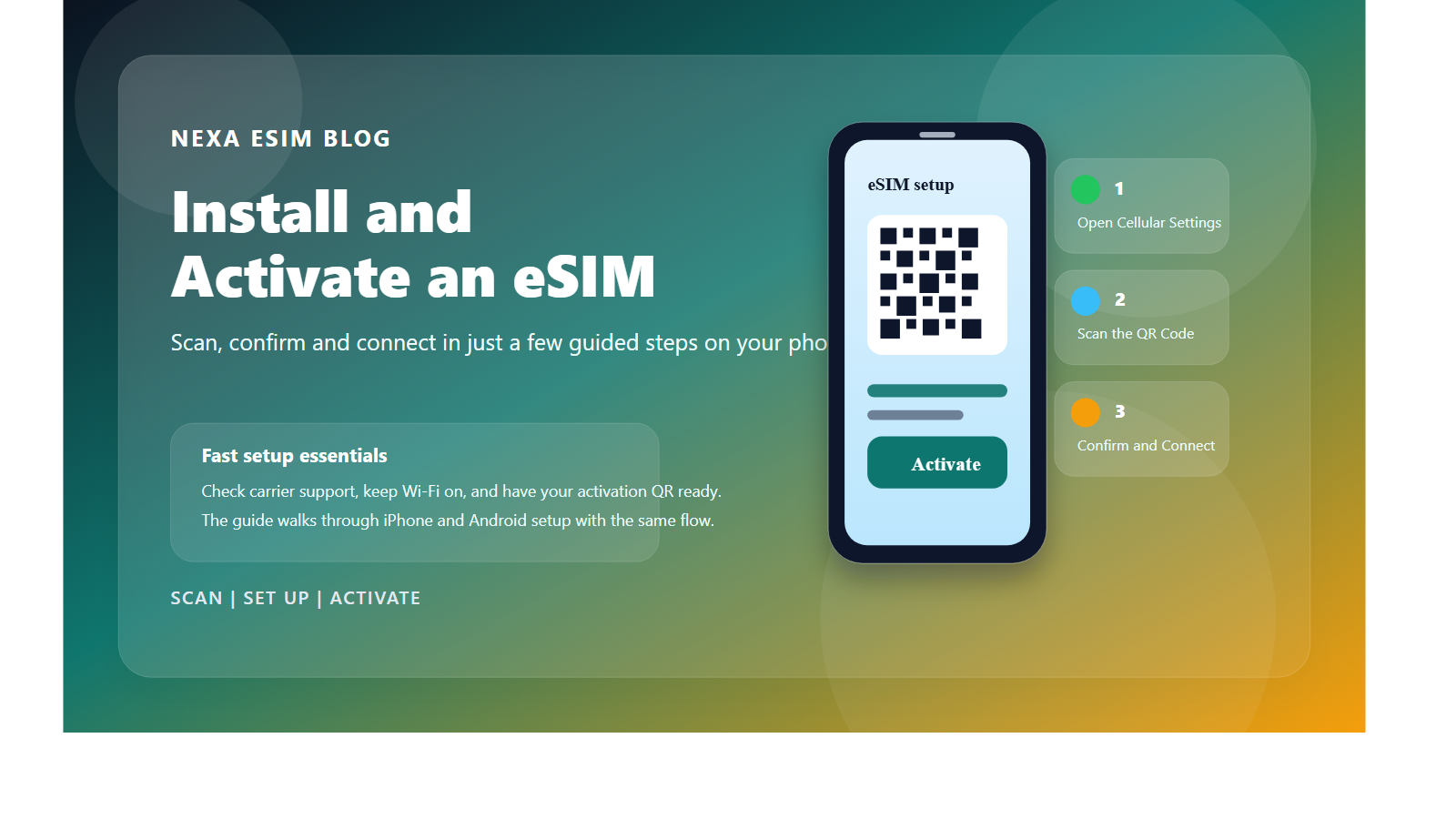
Purchasing an eSIM for Malaysia is straightforward. Browse providers like ours for Malaysia-specific eSIM packages, which often include options from 1 GB to unlimited data. Compare prices and network partners—some may offer cheaper rates but use slower networks. Buy online before your trip, receive a QR code via email, and scan it to install the eSIM on your phone. For assistance, refer to our eSIM installation guide. Payment is usually via credit card, and plans can be activated immediately or upon arrival.
FAQ
What is the best eSIM for Malaysia travel?
Celcom-based eSIMs are generally best for overall coverage, while Maxis-based ones excel in speed. Choose based on your itinerary: rural explorers should prioritize Celcom, city dwellers might prefer Maxis.
Can I buy an eSIM upon arrival in Malaysia?
Yes, but it's more convenient to purchase before travel to avoid airport queues and ensure instant connectivity. Many providers offer eSIMs that activate as soon as you land.
Are there unlimited data eSIMs for Malaysia?
Yes, several providers offer unlimited data eSIMs for Malaysia travel, but they often have fair usage policies that may throttle speeds after a certain amount of data (e.g., 10-20 GB). Check terms before buying.
Is 5G widely available in Malaysia for eSIM users?
5G is available in major cities like Kuala Lumpur, Penang, and Johor Bahru, primarily through Maxis and Celcom. However, coverage is still expanding, so 4G/LTE remains reliable nationwide.
How do I set up an eSIM for Malaysia?
After purchase, you'll receive a QR code. Go to your phone's settings (e.g., Cellular > Add Cellular Plan on iPhone), scan the code, and follow prompts. Ensure you have Wi-Fi for the initial setup.
What is a cheap eSIM for Malaysia travel?
Digi or U Mobile-based eSIMs tend to be cheaper, offering basic data plans suitable for budget travelers. Compare prices on platforms like our global eSIM catalog for deals.
Can I use an eSIM for backpacking across Malaysia?
Absolutely. eSIMs are ideal for backpackers as they eliminate the need for physical SIM swaps. Choose a plan with good rural coverage (like Celcom) for remote areas in Borneo or the highlands.
Is an eSIM good for digital nomads in Malaysia?
Yes, eSIMs provide flexibility and high-speed data, perfect for digital nomads. Opt for unlimited or large-data plans from providers using Maxis for the best performance in co-working spaces.