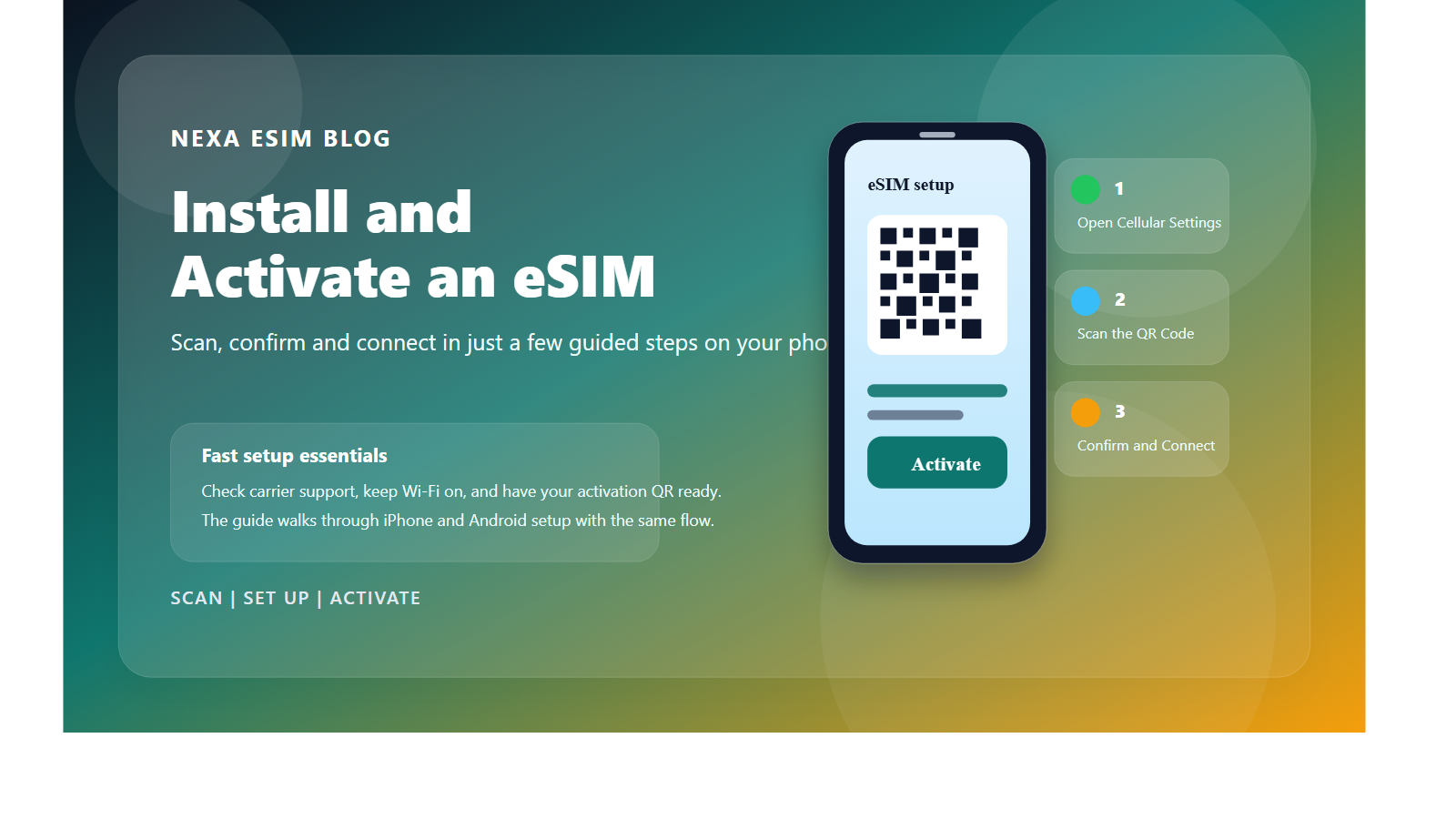
Discover the ultimate guide to using eSIM in Austria for seamless travel connectivity. Compare top carriers, find the best data plans for tourists, and get expert tips for staying connected across Vienna, Salzburg, and the Alps.
Quick Answer
For travelers to Austria in 2026, an eSIM is the most convenient way to stay connected. The best eSIM options typically use networks from A1, Magenta (T-Mobile), or Drei (3 Austria), offering excellent 4G/5G coverage across cities, towns, and major tourist routes. For most tourists, a 5-10 GB data plan for a 7-10 day trip is sufficient, with options for affordable Austria-specific eSIM packages available. Digital nomads or heavy users might consider larger or unlimited data plans. Purchase your eSIM before arrival for instant activation upon landing.
Why Choose eSIM for Austria Travel
Traveling to Austria with an eSIM eliminates the hassle of physical SIM cards, offering immediate connectivity the moment you land. Unlike traditional SIMs, you can buy and install an eSIM digitally before your trip, avoiding airport queues and language barriers. This is particularly useful in Austria, where efficient travel is key to enjoying its compact cities and scenic landscapes. eSIMs also allow you to keep your home number active for two-factor authentication while using a local data plan, and they're compatible with most modern smartphones. For backpackers and digital nomads, the flexibility to switch plans or top up online makes eSIMs ideal for exploring from Vienna's cafes to the Alpine trails.
Major Mobile Carriers in Austria
Austria's mobile market is dominated by three main carriers, all offering robust services that eSIM providers typically partner with. A1 Telekom Austria is the largest operator, known for its extensive coverage, especially in rural and mountainous regions. Magenta (formerly T-Mobile Austria) provides competitive speeds and reliable service in urban areas like Vienna and Salzburg. Drei (3 Austria) is popular for value-oriented plans and good 5G deployment. These networks form the backbone of most travel eSIM offerings globally, ensuring you get quality service whether you're in a city or the countryside.
Network Speed & Coverage Comparison
Understanding network performance helps you choose the right eSIM plan for your Austria itinerary. Austria boasts advanced mobile infrastructure, with 5G widely available in cities and 4G/LTE covering nearly the entire country, including most tourist destinations. Speeds are generally fast, supporting streaming, navigation, and video calls without issues. Coverage is excellent in populated areas, though some remote Alpine valleys may have weaker signals—plan accordingly if hiking off the beaten path.
Which Network is Best for Tourists?
For tourists, the best network depends on your travel style. If you're focusing on cities like Vienna, Innsbruck, and Salzburg, all three major carriers offer excellent service, with Magenta often praised for urban speed. For those exploring rural areas or the Alps, A1's broader coverage might be preferable. Most eSIM providers use multiple networks, so you'll automatically connect to the strongest available signal, ensuring reliable connectivity throughout your trip. Consider an eSIM with network switching for optimal performance.
| Carrier | Coverage | Speed | 5G | Best For |
|---|---|---|---|---|
| A1 | Excellent nationwide, best in rural areas | Fast and consistent | Widely available in cities | Travelers visiting Alpine regions or small towns |
| Magenta | Strong in urban centers and along highways | Very fast, especially in cities | Extensive in metropolitan areas | City-focused tourists and digital nomads |
| Drei | Good overall, slightly less in remote areas | Competitive, with good value | Available in major cities | Budget-conscious travelers and backpackers |
Must-Visit Places in Austria
Austria offers a blend of cultural richness and natural beauty, perfect for travelers with an eSIM to share experiences in real-time. Vienna, the capital, dazzles with imperial palaces, coffee houses, and the Vienna State Opera. Salzburg, Mozart's birthplace, charms with its baroque architecture and Sound of Music sites. Innsbruck provides access to the Tyrolean Alps for skiing or hiking. The Danube Valley and Hallstatt are picturesque destinations where connectivity helps with navigation and photo uploads. Whether you're a culture enthusiast, outdoor adventurer, or digital nomad working from a Viennese café, staying connected enhances your journey.
Connectivity Tips for Travelers
To maximize your eSIM experience in Austria, follow these practical tips. First, ensure your phone is eSIM-compatible and unlocked before purchasing. Download offline maps via apps like Google Maps or Maps.me for areas with potential weak signals, such as deep mountain trails. Use Wi-Fi in hotels and cafes for large uploads to save data. For seamless activation, install your eSIM before departure and follow the setup guide provided by your provider. Keep a backup power bank, as cold weather in the Alps can drain battery faster. These steps ensure you stay connected without interruptions.
Weather & Travel Seasons
Austria's climate varies by region and season, impacting travel plans and connectivity needs. Summers (June to August) are warm and ideal for city tours and hiking, with long daylight hours perfect for using data-intensive apps. Winters (December to February) bring snow for skiing in the Alps, where eSIMs help with resort navigation and weather updates. Spring and autumn offer mild weather and fewer crowds, great for flexible travel. Network coverage remains reliable year-round, but extreme weather in mountains might occasionally affect signals—plan your data usage accordingly.
Best Month for Travel
The best month to visit Austria depends on your interests, but September often stands out for balanced travel. With pleasant temperatures, fewer tourists than peak summer, and vibrant autumn colors, it's ideal for exploring cities and countryside. An eSIM supports activities like booking last-minute tickets or sharing fall foliage photos. For winter sports, January offers prime skiing conditions. Regardless of when you go, an eSIM ensures you're connected for real-time updates and sharing your Austrian adventures.
eSIM Data Plan Recommendation
Choosing the right data plan for your Austria trip depends on your itinerary and usage habits. Light users who mainly navigate, message, and occasionally browse may need less data, while heavy users streaming videos or working remotely require more. Austria's efficient networks mean data goes further compared to some destinations. Below is a general recommendation based on travel duration and usage type.
| Travel Days | Usage Type | Recommended Data |
|---|---|---|
| 3 days | Light (navigation, messaging) | 1-2 GB |
| 5 days | Moderate (social media, light streaming) | 3-5 GB |
| 7 days | Heavy (video calls, frequent streaming) | 7-10 GB |
| 10 days | Mixed (digital nomad or family travel) | 10-15 GB |
Heavy vs Light Users
Understanding your data needs helps avoid overpaying or running out. Light users typically stick to essential apps like Google Maps, WhatsApp, and email, using about 500 MB per day. For them, smaller eSIM plans or pay-as-you-go options are cost-effective. Heavy users, including digital nomads or those streaming content, might consume 1-2 GB daily, making larger or unlimited data plans worthwhile. In Austria, network reliability supports both, but if you're backpacking in remote areas, consider downloading content offline to conserve data.
Buy eSIM for Austria
Purchasing an eSIM for Austria is straightforward. Look for reputable providers offering plans tailored to Austrian networks, such as those on global eSIM platforms. Compare prices, data allowances, and validity periods—options range from cheap, basic plans to unlimited data for longer stays. Buy online before your trip for instant delivery via email or app. Ensure the plan covers your entire stay and supports network switching for the best coverage. For budget travelers, multi-country eSIMs can be economical if visiting neighboring regions like Germany or Switzerland.
FAQ
What is the best eSIM for Austria travel?
The best eSIM for Austria travel typically uses A1, Magenta, or Drei networks, offering good coverage and speed. Look for plans with flexible data options, such as those for light or heavy users, and consider your trip duration when choosing.
How do I buy an eSIM for Austria?
You can buy an eSIM for Austria online from travel eSIM providers. Select a plan based on your data needs, complete the purchase, and receive installation instructions via email. Install it on your compatible smartphone before or after arrival.
Is eSIM good for backpacking in Austria?
Yes, eSIM is excellent for backpacking in Austria due to its convenience and flexibility. It allows easy top-ups and network switching, ensuring connectivity in cities and on hiking trails, without the need for physical SIM cards.
Are there unlimited data eSIM plans for Austria?
Yes, some providers offer unlimited data eSIM plans for Austria, ideal for digital nomads or heavy streamers. Check fair usage policies, as speeds may be reduced after a certain threshold.
What is the cheapest eSIM for Austria travel?
The cheapest eSIM for Austria travel often includes smaller data packages (e.g., 1-5 GB) for short trips. Compare prices across providers and look for promotions or multi-country deals to save money.
Can I use eSIM in Austria as a tourist?
Absolutely, tourists can use eSIM in Austria seamlessly. It's designed for short-term travel, providing local data without long-term contracts. Ensure your phone is eSIM-compatible and unlocked.
How does eSIM work for digital nomads in Austria?
For digital nomads, eSIM in Austria offers reliable high-speed data for remote work, with options for larger plans or unlimited data. It supports video conferencing, cloud work, and staying connected across co-working spaces and cafes.