Discover the ultimate guide to using an eSIM for travel in Portugal. Compare major carriers, find the best data plans for tourists and digital nomads, and get expert tips for seamless connectivity from Lisbon to Porto.
Quick Answer
For most travelers to Portugal, purchasing a regional Portugal eSIM data package before arrival is the most convenient and cost-effective solution. These plans typically offer good coverage across all major networks (Vodafone, MEO, NOS) without requiring a local SIM card. For tourists, a 5-10GB plan for 7-10 days is usually sufficient for navigation, social media, and light streaming. Digital nomads and heavy users should consider unlimited data options or larger packages available through providers like global eSIM services. The best network for coverage is Vodafone, while MEO often provides the fastest speeds in urban areas.
Why Choose eSIM for Portugal Travel
Portugal's stunning landscapes, historic cities, and vibrant culture make it a top destination for tourists, digital nomads, and backpackers alike. Staying connected is essential for navigating winding streets in Lisbon, finding hidden beaches in the Algarve, or working remotely from a Porto café. An eSIM (embedded SIM) revolutionizes travel connectivity by eliminating the need for physical SIM cards. Instead, you can download a digital profile to your compatible smartphone before or after arrival, activating data instantly without visiting a store.
For Portugal travel specifically, eSIMs offer several advantages. You avoid the hassle of finding a mobile shop upon landing at Lisbon or Porto airports, where queues can be long during peak season. Most eSIM providers offer flexible plans tailored to different travel durations and usage patterns, from short city breaks to extended backpacking trips. Since eSIMs are digital, you can easily top up or switch plans through an app if your needs change. This is particularly useful for digital nomads who might start in Lisbon and then travel to quieter regions like the Douro Valley, where coverage requirements differ.
Additionally, eSIMs often provide access to multiple Portuguese networks (network switching), ensuring you get the best possible signal whether you're in a metropolitan area or a remote coastal village. For those traveling beyond Portugal, many eSIMs offer multi-country packages that include Spain and other European destinations, making them ideal for broader European itineraries.
Major Mobile Carriers in Portugal
Portugal's telecommunications market is dominated by three main operators: Vodafone Portugal, MEO (owned by Altice Portugal), and NOS. Each has extensive infrastructure across the country, but their strengths vary by region and service type.
Vodafone Portugal is part of the global Vodafone Group and is often considered the leader in overall coverage, particularly in rural and inland areas. They have invested heavily in 5G expansion, with good availability in major cities and along popular tourist routes. Vodafone's network is reliable for consistent connectivity when traveling between regions.
MEO originated from the former Portugal Telecom and maintains a strong presence nationwide. They frequently compete with Vodafone on speed, especially in urban centers like Lisbon, Porto, and the Algarve. MEO has been aggressive with 5G deployment and often offers competitive data packages, making them popular among locals and long-term visitors.
NOS is a younger operator but has grown rapidly to cover most populated areas. They are known for innovative services and good value plans. While their geographic coverage might be slightly less extensive than Vodafone's in very remote areas, they excel in cities and tourist hotspots, with strong 4G/LTE and expanding 5G networks.
All three carriers offer prepaid SIM options, but for tourists, accessing them through an eSIM provider is simpler and often more economical, especially for short stays.
Network Speed & Coverage Comparison
Understanding the performance differences between Portugal's mobile networks helps you choose the right eSIM plan. Below is a comparison based on typical tourist experiences and network tests.
| Carrier | Coverage | Speed | 5G | Best For |
|---|---|---|---|---|
| Vodafone | Excellent nationwide, best in rural areas | Very Good (consistent 4G/LTE) | Widely available in cities | Travelers exploring countryside, reliable connectivity |
| MEO | Very good nationwide, strong in urban zones | Excellent (fastest in cities) | Extensive in metropolitan areas | City tourists, digital nomads needing high speed |
| NOS | Good in populated areas, moderate in remote regions | Good (competitive 4G/LTE) | Growing, available in major cities | Budget-conscious travelers, short city stays |
In practical terms, Vodafone's coverage is hard to beat if you're planning to visit less-touristed areas like the interior villages of Alentejo or the mountainous regions near Serra da Estrela. MEO often wins speed tests in Lisbon and Porto, making it ideal for data-intensive activities like video calls or streaming. NOS provides a balanced option with good performance at often lower costs, suitable for backpackers on a tight budget.
Most eSIM providers for Portugal use agreements with one or more of these carriers, so look for plans that mention network switching or multi-network access to ensure the best signal wherever you go.
Which Network is Best for Tourists?
For most tourists, the "best" network depends on your itinerary and data needs. If you're primarily visiting cities like Lisbon, Porto, and Faro (Algarve), any of the three major networks will serve you well, with MEO often providing the fastest speeds for uploading photos or using maps. However, if your Portugal travel includes rural explorations—such as the Douro Valley vineyards, the historic villages of Monsanto, or the coastal trails of the Rota Vicentina—Vodafone's superior rural coverage makes it the safer choice.
Many tourists opt for eSIM plans that automatically connect to the strongest available network (network switching), which effectively gives you the best of all worlds. For example, you might be on MEO in Lisbon for high-speed browsing, then seamlessly switch to Vodafone when traveling to a remote castle in Sintra. When buying an eSIM for Portugal travel, check if the provider offers this feature, as it maximizes connectivity without manual intervention.
For digital nomads or those on longer stays, consider plans that prioritize MEO or Vodafone for their reliability and speed. Backpackers looking for cheap eSIM for Portugal travel might find NOS-based plans adequate, especially if sticking to well-trodden tourist paths. Regardless, ensure your eSIM includes sufficient data for your activities; a plan with unlimited data or high caps is wise if you plan to use navigation apps frequently or stream content.
Must-Visit Places in Portugal
Portugal offers diverse experiences, from historic cities to stunning coastlines. Staying connected with an eSIM enhances these visits by providing instant access to maps, translations, and local information.
Lisbon: The capital is a maze of colorful neighborhoods like Alfama and Bairro Alto. Use your eSIM to navigate tram routes, find the best pastéis de nata (custard tarts), and book timed entries to attractions like the Jerónimos Monastery. Coverage is excellent across all networks here.
Porto: Famous for port wine, Porto's Ribeira district along the Douro River is a UNESCO site. An eSIM helps with wine cellar bookings, river cruise reservations, and exploring the Livraria Lello bookstore. Network speeds are generally fast, especially with MEO.
Algarve: Southern Portugal's coastline boasts dramatic cliffs and golden beaches like Praia da Marinha. Connectivity is strong in towns like Lagos and Faro, but can vary in secluded coves—Vodafone tends to be more reliable in these areas.
Sintra: A day trip from Lisbon, this fairy-tale town features palaces like Pena Palace. Mobile data is useful for purchasing tickets online and navigating the hilly terrain. All major networks cover Sintra well.
Douro Valley: A wine region best explored by car or train. An eSIM ensures you have maps for scenic drives and can research vineyards. Coverage is decent but may spotty in remote valleys; Vodafone performs best here.
Other highlights include the university city of Coimbra, the medieval walls of Óbidos, and the surf spots of Nazaré. With an eSIM, you can stay connected across all these destinations without swapping SIMs.
Connectivity Tips for Travelers
To make the most of your eSIM in Portugal, follow these practical tips based on extensive travel experience.
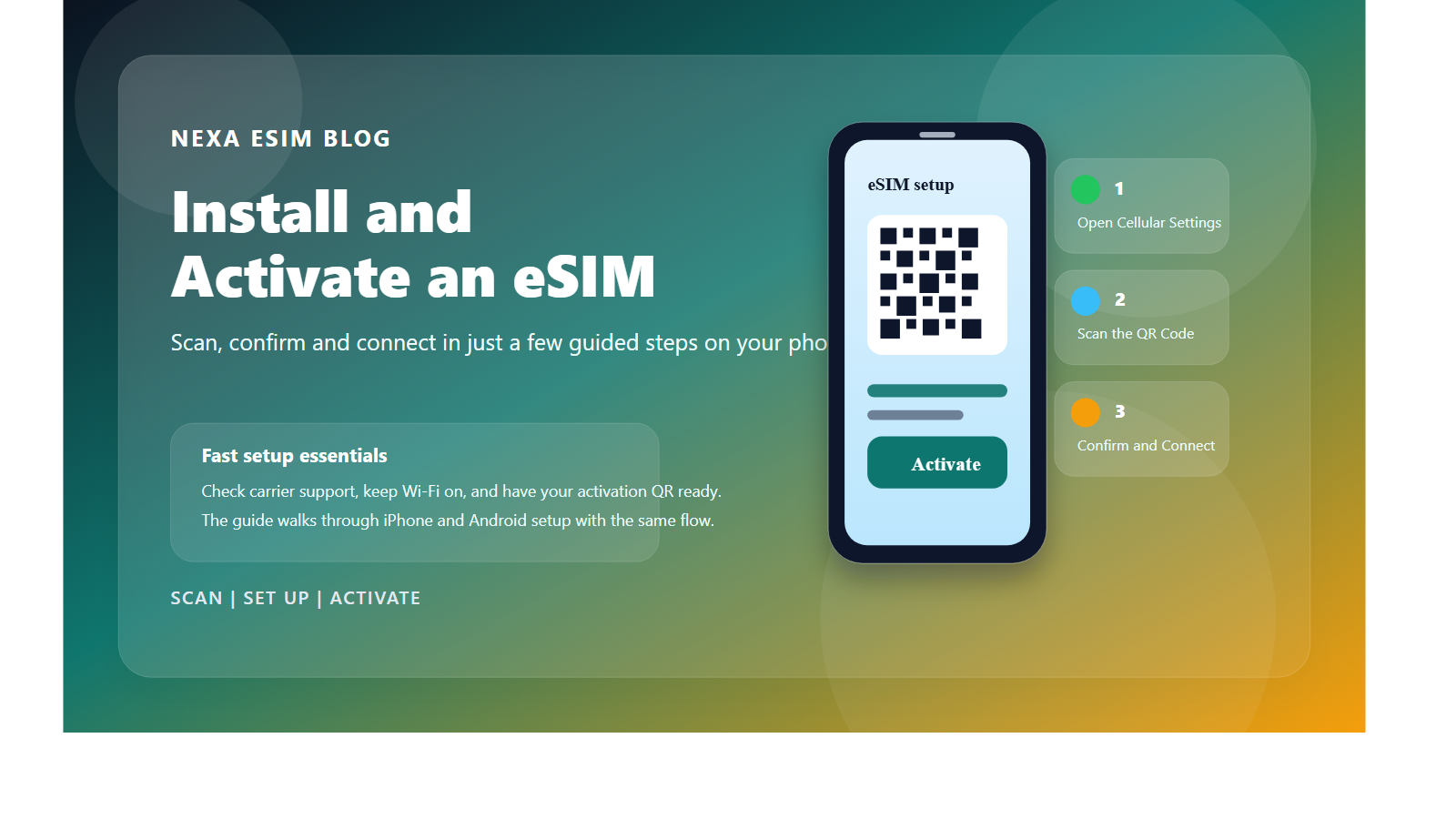
First, activate your eSIM before you arrive or as soon as you land. Most providers allow activation via QR code scan; ensure you have a stable Wi-Fi connection initially (e.g., at the airport) to download the profile. For detailed steps, refer to our eSIM installation guide.
Second, monitor your data usage. While Portugal has good network infrastructure, roaming on an eSIM might consume data faster if you're frequently switching between networks or using data-intensive apps. Enable data-saving modes on your phone and download offline maps (Google Maps or Maps.me) for major cities to reduce usage.
Third, take advantage of Wi-Fi hotspots. Many cafés, restaurants, and accommodations offer free Wi-Fi, which can supplement your eSIM data. However, public Wi-Fi security can be unreliable, so use a VPN if accessing sensitive information.
Fourth, if you're a digital nomad or long-term visitor, consider an eSIM with unlimited data or high allowances to avoid throttling. Some providers offer specific esim portugal for digital nomads plans tailored for remote work, including features like tethering for multiple devices.
Finally, keep your eSIM provider's app handy for top-ups or support. Most issues can be resolved quickly through in-app chat, saving you time compared to visiting a local store.
Weather & Travel Seasons
Portugal's climate varies by region, affecting both travel experiences and connectivity needs. The coastal areas enjoy mild winters and warm summers, while inland regions can be hotter in summer and cooler in winter.
Spring (March-May): Pleasant temperatures (15-22°C / 59-72°F) and blooming landscapes make this ideal for sightseeing. Tourist crowds are manageable, and network congestion is minimal, ensuring good eSIM performance.
Summer (June-August): Peak tourist season, especially in the Algarve and Lisbon. Temperatures can reach 30°C+ (86°F+). Networks may be slower in crowded areas due to high usage, but coverage remains strong. An eSIM with good data allowances helps with last-minute bookings and beach-day planning.
Autumn (September-November): Warm and less crowded, perfect for wine harvests in the Douro Valley. Weather is stable, and connectivity is reliable as tourist numbers drop.
Winter (December-February): Mild on the coast, cooler inland. Some rural areas might see reduced tourist services, but mobile networks generally perform well. This is a good time for city breaks with an eSIM supporting indoor navigation.
Regardless of season, an eSIM ensures you stay connected for weather updates and itinerary adjustments.
Best Month for Travel
For balancing weather, crowds, and connectivity, September stands out as the best month to visit Portugal. The summer heat begins to fade, with average temperatures around 25°C (77°F), making outdoor activities comfortable. Tourist numbers decrease after the August peak, reducing strain on networks and attractions. This means your eSIM is likely to deliver faster speeds and more reliable connections, especially in popular spots like Lisbon's Belém Tower or the Algarve beaches.
September also offers cultural events like wine festivals, and the sea remains warm for swimming. From a practical standpoint, purchasing an eSIM during this period is straightforward, as providers often have stable service without seasonal disruptions. If you prefer spring, May is another excellent choice with similar advantages. Both months allow for efficient use of data plans without the extreme usage spikes common in high summer.
eSIM Data Plan Recommendation
Choosing the right eSIM data plan depends on your travel duration and usage habits. Below are general recommendations based on typical tourist activities like navigation, social media, and occasional streaming.
| Travel Days | Usage Type | Recommended Data |
|---|---|---|
| 3 days | Light (maps, messaging, light browsing) | 3-5 GB |
| 5 days | Moderate (social media, some photos/videos) | 5-7 GB |
| 7 days | Average (streaming music, frequent navigation) | 7-10 GB |
| 10 days | Heavy (video calls, streaming, remote work) | 10-15 GB or unlimited |
These estimates assume you'll use Wi-Fi at accommodations occasionally. For unlimited data esim travel portugal options, look for plans that offer truly unlimited high-speed data or large caps (e.g., 20GB+) to avoid throttling. Many providers offer flexible plans that can be adjusted mid-trip, so start with a conservative estimate and top up if needed.
Heavy vs Light Users
Your data needs in Portugal will vary significantly based on whether you're a heavy or light user. Understanding this distinction helps you select the most cost-effective eSIM plan.
Light Users: Typically, tourists who use mobile data primarily for Google Maps, WhatsApp messages, email checks, and occasional web browsing. They might spend 1-2 hours per day online and rely on Wi-Fi at hotels or cafés. For light users, a plan with 5-10GB for a week is usually sufficient. This aligns with esim for portugal tourist packages that focus on essentials without overspending. Light users can often save by choosing a single-network eSIM (e.g., NOS-based) if staying in urban areas.
Heavy Users: Include digital nomads, remote workers, backpackers streaming content, or travelers who heavily use social media with photo/video uploads. They may use 3-5 hours of data daily, including video calls, streaming services, and tethering for other devices. Heavy users should opt for esim with unlimited data portugal plans or high-data packages (15GB+). Look for eSIMs that support network switching to ensure fast speeds even during peak usage times. For esim for backpacking portugal over several weeks, consider a monthly plan with generous data or the ability to renew easily.
In practice, assess your daily habits: if you plan to upload many travel videos or work online, lean towards heavy-user plans. Most eSIM providers offer a range, so you can pick based on your profile.
Buy eSIM for Portugal
Purchasing an eSIM for Portugal is straightforward if you follow these steps. First, ensure your smartphone is eSIM-compatible (most newer models from Apple, Samsung, Google, etc., are). Check your device settings or manufacturer's website for confirmation.
Next, choose a reputable eSIM provider. Look for ones that offer plans specifically for Portugal, with clear information on networks covered (preferably all three major carriers), data allowances, and validity periods. Providers often have dedicated Portugal eSIM pages where you can compare options. Consider factors like price, customer support availability, and whether they allow top-ups or plan changes.
Then, select a plan based on your travel days and usage type (refer to the data plan table above). For example, if you're a tourist on a 7-day trip with moderate usage, a 7-10GB plan should suffice. For digital nomads, an unlimited or high-data plan is better. Purchase online before your trip; you'll typically receive a QR code via email to activate the eSIM.
Finally, activate the eSIM upon arrival in Portugal (or earlier if the provider allows). Scan the QR code with your phone's camera, follow the prompts to install the profile, and ensure mobile data is enabled. Test connectivity in a few locations to confirm it's working. Most providers offer apps for management, making it easy to monitor usage and renew if needed.
By buying in advance, you avoid the stress of finding a local SIM and can start using data immediately, enhancing your travel experience from the moment you land.
FAQ
Q: What is the best esim portugal travel option for a short trip?
A: For short trips (3-5 days), a prepaid eSIM with 5-7GB data is ideal. Look for plans that include network switching for reliable coverage across cities like Lisbon and Porto.
Q: Can I buy esim for portugal travel after arriving?
A: Yes, many providers allow activation after arrival, but it's recommended to purchase before traveling to ensure instant connectivity upon landing, especially if airport Wi-Fi is unreliable.
Q: Are there cheap esim for portugal travel plans?
A: Yes, budget-friendly options exist, often from providers offering NOS-based plans or smaller data packages. Compare prices per GB and check for hidden fees to find the best value.
Q: Is an esim for portugal tourist suitable for digital nomads?
A: Absolutely. Many providers offer esim portugal for digital nomads with unlimited data or high caps, supporting remote work needs like video conferencing and large file transfers.
Q: What should I consider for esim with unlimited data portugal?
A: Ensure the "unlimited" plan doesn't have strict throttling after a certain usage. Check network coverage (Vodafone or MEO preferred) and whether tethering is allowed for multiple devices.
Q: How does esim for backpacking portugal differ from regular tourist plans?
A: Backpacking plans often have longer validity (e.g., 30 days) and larger data allowances to support extended travel across diverse regions, including rural areas where coverage may vary.
Q: Can I use my eSIM in other European countries?
A: Many Portugal eSIMs are part of broader European packages, allowing use in neighboring countries like Spain. Check the plan details for roaming inclusions.