Discover the ultimate guide to using an eSIM for travel in Norway. Compare top mobile carriers, find the best data plans for tourists, and get expert tips on staying connected while exploring fjords, cities, and remote landscapes.
Quick Answer
For most tourists traveling to Norway, the best eSIM option is a regional or Norway-specific plan from providers like our Norway eSIM packages. Telenor and Telia offer the most comprehensive coverage, especially in remote fjord regions, while Ice provides excellent value in urban areas. For a 7-10 day trip, a 5-10GB data plan is typically sufficient for navigation, social media, and light streaming. Digital nomads and heavy users should consider unlimited data options available through certain providers. Purchase and activate your eSIM before arrival for seamless connectivity.
Why Choose eSIM for Norway Travel
Norway's breathtaking landscapes—from the dramatic fjords to the vibrant cities of Oslo and Bergen—demand reliable connectivity for navigation, translation, and sharing experiences. Traditional SIM cards can be cumbersome with physical stores and registration requirements, while roaming charges from home providers often prove exorbitant. An eSIM offers a streamlined solution: purchase online before your trip, activate upon landing, and enjoy immediate access to local networks. This is particularly valuable in Norway where you might travel from well-connected urban centers to remote wilderness areas. eSIMs eliminate the hassle of swapping physical cards and provide flexible data plans tailored to tourist needs, whether you're backpacking through the Lofoten Islands or working remotely as a digital nomad in Tromsø.
Major Mobile Carriers in Norway
Norway's telecommunications market is dominated by three primary operators, each with distinct strengths for travelers. Understanding these carriers helps you select the right eSIM partner for your journey.
Telenor
As Norway's largest mobile operator, Telenor provides the most extensive coverage, reaching deep into fjord regions and remote northern areas. Their network reliability makes them a top choice for travelers venturing beyond cities.
Telia
Telia offers comparable coverage to Telenor in most populated areas and along major travel routes. They frequently compete on speed and data packages, making them another excellent option for comprehensive connectivity.
Ice
Ice operates as a value-focused mobile virtual network operator (MVNO) using Telenor's infrastructure. While their coverage is slightly more limited in extremely remote locations, they provide excellent service in urban and suburban areas at competitive prices.
Network Speed & Coverage Comparison
When selecting an eSIM provider for Norway, consider both coverage and speed based on your itinerary. The following table compares the key characteristics of Norway's major networks:
| Carrier | Coverage | Speed | 5G | Best For |
|---|---|---|---|---|
| Telenor | Excellent nationwide, best in remote areas | Fast and reliable | Widely available in cities | Fjord explorers, northern lights chasers, rural travelers |
| Telia | Very good nationwide, strong along highways | Comparable to Telenor | Available in major urban centers | Road trippers, city hoppers, balanced itineraries |
| Ice | Good in populated areas, limited in wilderness | Good for most uses | Limited availability | Budget travelers, city-focused tourists, short stays |
Most eSIM providers for travelers partner with one or more of these networks, so check which network your eSIM uses when purchasing. For those planning to visit multiple countries, consider our global eSIM packages that include Norway.
Which Network is Best for Tourists?
The optimal network depends entirely on your travel style and destinations within Norway. For comprehensive fjord exploration, including popular routes like Geirangerfjord and Nærøyfjord, Telenor's extensive coverage provides peace of mind in areas where other signals might fade. City-focused travelers spending most of their time in Oslo, Bergen, Trondheim, and Stavanger will find all three networks perform well, with Ice offering particularly good value. Road trippers following Norway's scenic routes, such as the Atlantic Ocean Road or Trollstigen, should prioritize Telia or Telenor for consistent connectivity along highways. Digital nomads working remotely should verify 5G availability in their specific locations, as this can significantly impact productivity. Backpackers on a budget might prefer Ice-based eSIMs, while those venturing into remote northern regions for aurora viewing should absolutely choose Telenor for reliability.
Must-Visit Places in Norway
Norway's diverse attractions range from cosmopolitan cities to pristine natural wonders. Reliable connectivity enhances every experience, whether navigating urban transit or finding hidden hiking trails.
Oslo
The capital blends modern architecture with Viking history. Use your eSIM for public transport apps, museum bookings, and finding the best coffee shops in Grünerløkka.
Bergen and the Fjords
Gateway to Norway's most famous fjords, Bergen offers colorful wharves and mountain access. In fjord regions, connectivity helps with ferry schedules, weather updates, and trail navigation.
Lofoten Islands
This dramatic archipelago demands good coverage for fishing village exploration, northern lights alerts, and sharing those iconic red cabin photos.
Tromsø
The Arctic capital is perfect for aurora chasing, dog sledding, and midnight sun experiences. Connectivity here helps with tour coordination and weather-dependent activity planning.
Norwegian Scenic Routes
These 18 designated driving routes, like Geiranger-Trollstigen, feature breathtaking viewpoints. Mobile data assists with navigation, attraction information, and emergency services in remote areas.
Connectivity Tips for Travelers
Maximize your eSIM experience in Norway with these practical recommendations. First, download offline maps for your planned regions before arrival—Google Maps and Maps.me both offer this functionality. While Norway has excellent overall coverage, signal can be intermittent in deep fjords, tunnels, and remote mountain areas. For critical navigation in wilderness regions, consider a standalone GPS device as backup. Utilize free Wi-Fi in hotels, cafes, and visitor centers to conserve data, but always use a VPN on public networks for security. Monitor your data usage through your eSIM provider's app to avoid unexpected top-ups. If you encounter connectivity issues, manually select networks in your device settings rather than relying on automatic selection. For detailed setup instructions, consult our eSIM installation guide.
Weather & Travel Seasons
Norway's climate varies dramatically by region and season, impacting both travel experiences and connectivity needs. Summer (June-August) offers mild temperatures, midnight sun in the north, and optimal conditions for hiking and fjord cruising—this is peak tourist season with all services operating. Autumn (September-November) brings stunning foliage, fewer crowds, and the beginning of aurora season in the north, though some remote services may reduce hours. Winter (December-February) transforms Norway into a snowy wonderland perfect for skiing and northern lights viewing, but be prepared for limited daylight in the north and potential travel disruptions. Spring (March-May) sees melting snow, awakening nature, and increasing daylight—a beautiful shoulder season with good value. Your eSIM data usage may increase in winter for checking weather and road conditions, while summer travelers might use more data for photo sharing and outdoor activity research.
Best Month for Travel
For most travelers, June through August represents the ideal window, balancing pleasant weather, extensive daylight, and full accessibility to attractions and transportation. However, this popularity means higher prices and more crowds. Shoulder months like May and September offer excellent alternatives with milder temperatures, fewer tourists, and unique seasonal experiences like spring blossoms or autumn colors. Northern lights enthusiasts should target October through March, particularly above the Arctic Circle. Digital nomads might prefer May or September for comfortable working conditions without peak season distractions. Regardless of when you visit, an eSIM ensures you stay connected for last-minute bookings, weather updates, and sharing your Norwegian adventures.
eSIM Data Plan Recommendation
Selecting the right data volume prevents both overpaying for unused data or running out at inconvenient moments. Consider your usage patterns: navigation, translation, and basic browsing consume relatively little data, while video streaming, constant photo uploading, and video calls quickly deplete allowances. The following table provides general recommendations based on trip duration and usage type:
| Travel Days | Usage Type | Recommended Data |
|---|---|---|
| 3 days | Light (navigation, messaging) | 1-2GB |
| 3 days | Moderate (social media, some photos) | 2-3GB |
| 5 days | Light | 2-3GB |
| 5 days | Moderate | 3-5GB |
| 7 days | Light | 3-5GB |
| 7 days | Moderate | 5-7GB |
| 10 days | Light | 5-7GB |
| 10 days | Moderate | 7-10GB |
These recommendations assume typical tourist activities. Adjust upward if you plan extensive video use, remote work, or traveling with multiple devices sharing a hotspot.
Heavy vs Light Users
Understanding your data consumption profile ensures you select the most cost-effective eSIM plan. Light users primarily utilize data for essential functions: map navigation, translation apps, occasional web searches, and messaging services like WhatsApp without heavy media sharing. This pattern typically consumes 300-500MB per day. Moderate users add regular social media browsing, photo uploading, email with attachments, and some music streaming, consuming 500MB-1GB daily. Heavy users include digital nomads, content creators, and those who frequently stream video, make video calls, download large files, or use data-intensive applications—these travelers can easily exceed 2GB daily. For heavy users, unlimited data eSIM plans provide the best value and peace of mind, though verify any fair usage policies. Light and moderate users will find tiered data packages more economical. Remember that Norway's stunning landscapes might inspire more photo and video sharing than anticipated, so consider padding your estimate slightly.
Buy eSIM for Norway
Purchasing an eSIM for Norway is straightforward when you know what to look for. Start by selecting a reputable provider that offers transparent pricing and clear terms. Look for plans specifically designed for Norway or regional European coverage that includes Norway. Key features to compare include data allowance, validity period, network partner (Telenor, Telia, or Ice), and whether the plan includes any calls or texts. Most tourist eSIMs are data-only, which is sufficient given the prevalence of internet-based communication. Purchase your eSIM online before departure to allow time for any setup questions. Upon arrival in Norway, ensure mobile data is enabled and your eSIM is activated as the primary data line. For the best value Norway-specific plans, browse our curated Norway eSIM options designed for various travel styles and durations.
FAQ
What is the best eSIM for Norway travel?
The best eSIM depends on your itinerary. For comprehensive coverage including remote areas, choose a Telenor-based eSIM. For urban travel on a budget, Ice-based plans offer excellent value. Most tourists find 5-10GB plans sufficient for 7-10 day trips.
Can I buy an eSIM for Norway as a tourist?
Yes, tourists can easily purchase eSIMs for Norway online before or during their trip. No local registration is required, making eSIMs more convenient than traditional SIM cards for visitors.
Are there unlimited data eSIM options for Norway?
Yes, several providers offer unlimited data eSIMs for Norway, though they may have fair usage policies. These are ideal for digital nomads, heavy streamers, or travelers who want complete peace of mind about data limits.
How do I activate my eSIM for Norway?
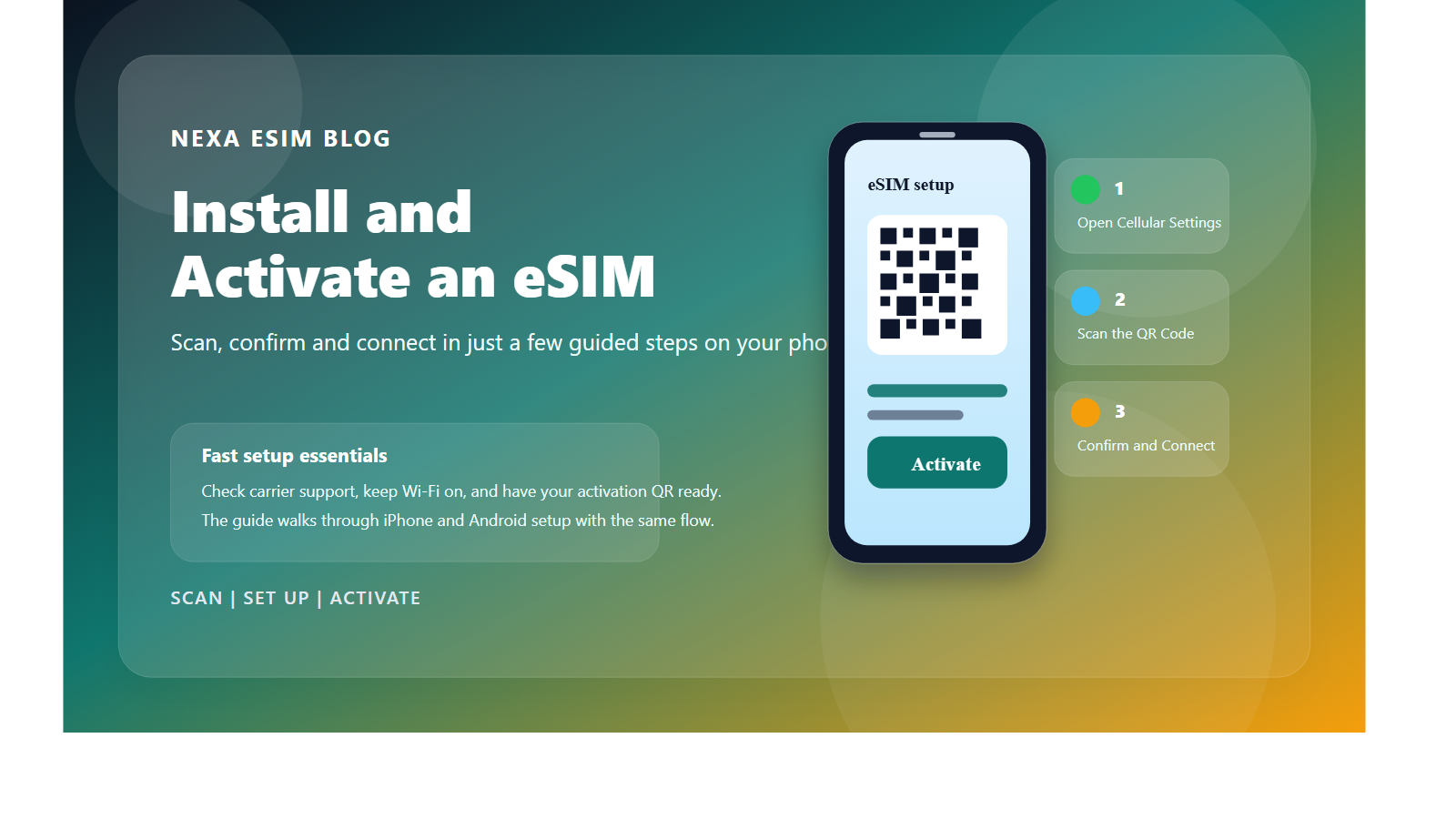
Activation typically involves scanning a QR code provided after purchase. Ensure your device is eSIM-compatible and connected to Wi-Fi during setup. For detailed steps, refer to your provider's instructions.
Is eSIM coverage good in Norwegian fjords?
Coverage varies by carrier. Telenor provides the best fjord coverage, reaching many popular areas like Geirangerfjord and Sognefjord. However, some remote fjord arms may have limited or no signal regardless of carrier.
What's the cheapest eSIM for Norway travel?
Budget eSIMs often use Ice network and offer smaller data packages (1-3GB) for short stays. Compare per-gigabyte costs rather than just upfront price, and consider validity periods to avoid unused data expiration.
Can I use my Norway eSIM in other Scandinavian countries?
Some Norway eSIMs are country-specific, while others include regional coverage for Scandinavia or Europe. Check your plan details—if visiting multiple countries, a regional plan may offer better value.
Do I need 5G for Norway travel?
5G is not essential but provides faster speeds in supported urban areas. For most tourist activities like navigation and social media, 4G/LTE is perfectly adequate throughout Norway.
How much data do I need for backpacking in Norway?
Backpackers typically need 3-5GB for a week, assuming moderate use for navigation, hostel bookings, and occasional photo sharing. If frequently offline in wilderness areas, you may need less.
Can digital nomads use eSIMs in Norway?
Absolutely. eSIMs are ideal for digital nomads, offering flexible data plans without contracts. Look for unlimited or high-data options, and verify network coverage in your specific work locations.