Stay connected in Panama with our expert eSIM guide. Compare major carriers like Claro and Movistar, find the best data plans for tourists and digital nomads, and get essential connectivity tips for exploring Panama City, Bocas del Toro, and beyond.
Quick Answer
For most travelers visiting Panama, an eSIM from Claro or Movistar provides the best combination of coverage and speed. Digital nomads and heavy data users should consider unlimited data plans, while budget-conscious tourists can find affordable regional eSIMs that include Panama. Purchase your eSIM online before arrival for instant activation upon landing at Tocumen International Airport. Our recommended plan for a 7-day trip is 3-5GB for moderate use, with options available through providers like our global eSIM catalog.
Why Choose eSIM for Panama Travel?
Panama's modern infrastructure makes it an ideal destination for eSIM adoption. Unlike physical SIM cards that require visiting a store or dealing with airport kiosks, an eSIM can be purchased and activated entirely online before your trip. This means you'll have data connectivity the moment you land at Tocumen International Airport (PTY), allowing you to use ride-sharing apps, translate signs, or navigate to your accommodation without hassle.
For digital nomads working remotely from Panama City or Bocas del Toro, eSIMs offer the flexibility to maintain your home number while adding a local data plan. Many providers offer unlimited data options perfect for video calls, cloud backups, and streaming during downtime. Backpackers traveling through Central America will appreciate that some regional eSIMs cover multiple countries, eliminating the need to purchase separate SIMs in each destination.
The convenience factor cannot be overstated. With an eSIM, there's no risk of losing a tiny physical SIM card, no need for a SIM ejector tool, and no language barriers at local telecom stores. Most eSIM providers offer straightforward installation through QR codes, with detailed guides like our eSIM installation guide available if needed.
Major Mobile Carriers in Panama
Panama's telecommunications market is dominated by three main providers, each with distinct strengths for travelers. Understanding these carriers will help you choose the right eSIM partner for your journey.
Claro Panama
As the largest operator in Panama, Claro offers the most extensive nationwide coverage, particularly valuable if you're venturing beyond major cities. Their network reliably reaches remote areas like the Darien Gap border region and mountainous highlands around Boquete. Claro has aggressively deployed 5G in urban centers, making it the top choice for speed-focused travelers in Panama City.
Movistar Panama
Movistar provides strong competition with excellent coverage in populated areas and popular tourist destinations. Many travelers find Movistar offers better value pricing, especially for shorter visits. Their network performs consistently well along the Panama Canal route, in beach towns like Coronado, and throughout the Azuero Peninsula.
Tigo Panama
Tigo maintains a solid presence with competitive data packages. While their geographic coverage is slightly more limited than Claro's, Tigo excels in specific tourist hubs including Bocas del Toro archipelago and the San Blas Islands. Their customer service has improved significantly in recent years, with English support available at major retail locations.
Network Speed & Coverage Comparison
When selecting an eSIM provider for Panama, consider both coverage breadth and network performance. Urban areas generally offer excellent connectivity across all carriers, while rural regions show more variation.
| Carrier | Coverage | Speed | 5G | Best For |
|---|---|---|---|---|
| Claro | Excellent nationwide, strongest in remote areas | Fastest overall, especially in cities | Widest 5G availability | Travelers exploring beyond cities, digital nomads needing reliability |
| Movistar | Very good in populated areas and tourist zones | Consistently good, competitive with Claro in urban centers | Available in major cities | Budget-conscious tourists, short-term visitors |
| Tigo | Good in cities and specific tourist regions | Reliable with occasional congestion in peak areas | Limited 5G rollout | Beach and island travelers, those visiting Bocas del Toro |
Real-world testing shows Claro typically delivers download speeds of 50-100 Mbps in Panama City with 5G, while Movistar and Tigo range from 30-70 Mbps in the same areas. All three networks provide sufficient bandwidth for video calls, social media, and navigation apps. In rural destinations like Santa Catalina or El Valle de Anton, expect 10-30 Mbps speeds depending on your proximity to cell towers.
Which Network is Best for Tourists?
The optimal network depends on your travel itinerary and data needs. For most tourists splitting time between Panama City and popular destinations like the Canal, Gamboa Rainforest, or Pacific beaches, either Claro or Movistar will serve you well. Claro's slight coverage advantage matters most if you're planning extensive road trips or visiting less-frequented areas like the Chiriquí Highlands.
Digital nomads working from Panama should prioritize Claro for its consistent performance and widespread 5G availability in co-working spaces and cafes throughout the city. The reliability during business hours is particularly valuable for video conferences and large file transfers.
Backpackers on a tight budget might prefer Movistar for its competitive pricing, especially for shorter durations. However, if your itinerary focuses heavily on island destinations like Bocas del Toro or the San Blas Islands, Tigo's optimized coverage in these specific areas could prove more useful despite its more limited national footprint.
Fortunately, many eSIM providers offer plans that connect to multiple local networks, giving you automatic access to the strongest available signal wherever you travel. This hybrid approach eliminates the need to choose a single carrier and provides the best overall experience for most travelers.
Must-Visit Places in Panama
Panama offers remarkable diversity packed into a relatively small country. From engineering marvels to pristine natural wonders, these destinations showcase why connectivity enhances every experience.
Panama Canal & Casco Viejo
No visit is complete without witnessing ships transit the Panama Canal at Miraflores Locks. Use your eSIM to access real-time transit schedules, book last-minute tours, and share video of these massive vessels navigating the narrow passage. Afterwards, explore the UNESCO World Heritage site of Casco Viejo, where you'll need maps and translation apps to navigate the cobblestone streets between colonial architecture, boutique hotels, and vibrant plazas.
Bocas del Toro Archipelago
This Caribbean paradise consists of nine main islands with world-class surfing, snorkeling, and laid-back vibes. Reliable data helps you book water taxis between islands, find the best beach bars, and work remotely from jungle cafes if you're a digital nomad. Coverage varies by island, with Claro and Tigo generally performing best in this region.
San Blas Islands
Managed by the indigenous Guna Yala people, these 365 islands offer some of the most pristine beaches in the Caribbean. Connectivity here is limited by design to preserve traditional culture, but having basic data access helps coordinate transportation and emergency communications. Consider downloading offline maps before visiting.
Boquete & the Chiriquí Highlands
In Panama's mountainous western region, you'll find cool climate coffee plantations, hiking trails, and the country's highest peak, Volcán Barú. Good connectivity helps navigate winding mountain roads, identify bird species on cloud forest trails, and share photos from the summit where you can see both the Pacific and Caribbean on clear days.
Connectivity Tips for Travelers
Maximize your Panama eSIM experience with these practical recommendations from seasoned travelers.
Pre-Arrival Preparation
Purchase and install your eSIM before leaving home. This ensures immediate connectivity upon arrival and allows you to test the installation while still on your home Wi-Fi. Download offline Google Maps for Panama City and your primary destinations as a backup. Also consider downloading Spanish translation packs if you're not fluent.
Conserving Data
Connect to Wi-Fi at hotels, restaurants, and cafes whenever possible to preserve your mobile data. Most accommodations in tourist areas offer decent Wi-Fi, though speeds may vary. Disable automatic app updates and cloud backups when using cellular data. Streaming video consumes significant data, so download entertainment content over Wi-Fi for later viewing.
Network Switching
If your eSIM supports multiple networks, your device will typically automatically select the strongest signal. However, you can manually switch carriers in your phone settings if you experience connectivity issues in a specific location. This is particularly useful in border regions or remote areas where one carrier might have better infrastructure.
Emergency Considerations
Panama's emergency number is 911, accessible from any mobile phone with service. Ensure your eSIM plan includes local calling capability for emergencies, even if you primarily need data. Keep a backup power bank charged, as using navigation and translation apps continuously can drain your battery faster than usual.
Weather & Travel Seasons
Panama's tropical climate features distinct dry and wet seasons that impact both travel experiences and connectivity reliability.
Dry Season (Mid-December to April)
This peak tourist period brings sunny days, lower humidity, and minimal rainfall. Beaches are at their best, and outdoor activities face fewer weather disruptions. Network performance is generally optimal during these months, though popular tourist areas may experience congestion during holiday periods.
Wet Season (May to November)
Also called the "green season," this period features daily afternoon showers, lush vegetation, and fewer crowds. Heavy rains occasionally affect cellular infrastructure in remote areas, but service in cities and major tourist destinations remains reliable. This is an excellent time for budget travelers and those who don't mind occasional rain.
Shoulder Seasons
The transition months of December and May often offer a balance of decent weather and moderate crowds. These can be ideal for travelers seeking good conditions without peak season prices.
Best Month for Travel
For optimal weather and connectivity, February stands out as the best overall month to visit Panama. The dry season is firmly established, rainfall is minimal, and temperatures are comfortable before the hotter months arrive. Tourist numbers are high but not at their absolute peak, meaning good availability for accommodations and tours.
Network performance is consistently excellent during February, with all carriers operating at full capacity. This reliability is particularly valuable if you're planning outdoor adventures or remote work. Shoulder months like January and March also offer excellent conditions with slightly fewer visitors.
Budget travelers might prefer September or October, when rain is frequent but prices are lowest. While cellular networks remain functional during these months, occasional heavy downpours can temporarily affect service in more remote areas. Having an eSIM that connects to multiple carriers provides redundancy during such situations.
eSIM Data Plan Recommendation
Choosing the right data allowance prevents either running out of data or overpaying for unused capacity. Consider your typical daily usage patterns and itinerary when selecting from these recommendations.
| Travel Days | Usage Type | Recommended Data |
|---|---|---|
| 3 days | Light (navigation, messaging, occasional social media) | 1-2GB |
| 5 days | Moderate (above plus regular social media, some web browsing) | 2-3GB |
| 7 days | Regular (above plus occasional video calls, photo uploads) | 3-5GB |
| 10 days | Heavy (above plus frequent streaming, large file transfers) | 5-8GB or unlimited |
These recommendations assume you'll use Wi-Fi at your accommodation each evening. If you plan to rely exclusively on cellular data or are traveling as a digital nomad requiring constant connectivity, consider increasing these amounts by 50-100%.
Heavy vs Light Users
Understanding your data consumption pattern ensures you select the most cost-effective eSIM plan for your Panama adventure.
Light Users
If you primarily need connectivity for navigation, translation apps, messaging, and occasional social media updates, you'll likely consume 300-500MB per day. Light users are typically traditional tourists who spend significant time on guided tours or planned activities where constant connectivity isn't essential. For these travelers, regional eSIMs with Panama coverage often provide the best value, especially for shorter trips.
Heavy Users
Digital nomads, remote workers, content creators, and travelers who stream entertainment or make frequent video calls will consume 1-2GB or more daily. Heavy users should prioritize unlimited data plans or high-capacity options from providers specializing in long-term travel connectivity. The slightly higher cost is justified by the productivity and convenience benefits.
Most travelers fall somewhere between these extremes. Monitor your usage during the first day or two to gauge whether you need to adjust your plan. Many eSIM providers offer top-up options if you underestimate your needs, though purchasing slightly more data initially usually proves more economical.
Buy eSIM for Panama
Purchasing your Panama eSIM is straightforward when you know what to look for. Follow this process for the best experience.
Selecting a Provider
Choose an eSIM provider that offers plans specifically for Panama or Central America. Look for clear information about which local networks they partner with (Claro, Movistar, Tigo, or multiple). Reputable providers will disclose data limits, validity periods, and whether plans include local phone numbers for calls and texts. Browse options in our global eSIM catalog to compare Panama-specific plans.
Purchase Timing
Buy your eSIM at least 24 hours before departure. This allows time for any account setup and ensures you receive the QR code installation information well before you need it. Some providers offer instant delivery, but giving yourself a buffer prevents last-minute stress.
Installation Process
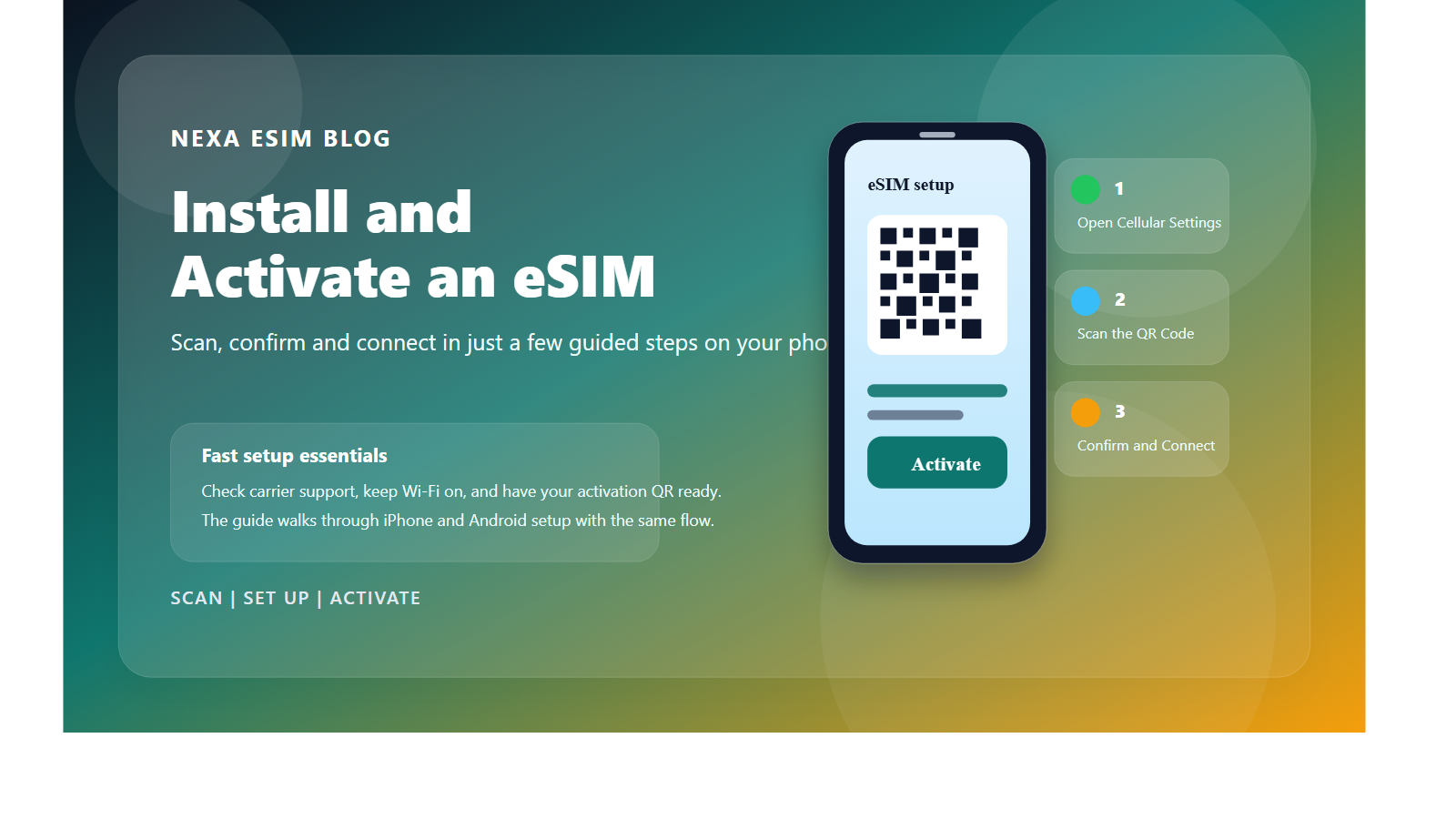
After purchase, you'll receive a QR code via email. On your compatible device, go to cellular settings, select "Add Cellular Plan," and scan the code. Follow the prompts to complete installation. You can typically choose to use the eSIM for data only while keeping your primary line active for calls and texts. Activate the plan when you arrive in Panama or according to your provider's instructions.
Cost Considerations
Panama eSIM prices vary based on data amount and validity period. Expect to pay $15-30 for 5-10GB plans valid for 7-15 days. Unlimited data plans range from $35-50 for similar durations. Regional plans covering multiple Central American countries often provide better value if Panama is part of a longer itinerary. Always check for hidden fees like activation charges or speed throttling after certain usage thresholds.
FAQ
What is the best eSIM for Panama travel?
The best eSIM depends on your specific needs. For most tourists, a plan using Claro or Movistar networks with 3-5GB for a week provides optimal balance of coverage and value. Digital nomads should consider unlimited data options, while backpackers might prefer regional Central America plans that include Panama.
Can I buy an eSIM upon arrival in Panama?
While possible, we strongly recommend purchasing before arrival. Airport kiosks may have limited eSIM options, and you'll need connectivity immediately for transportation and navigation. Pre-purchasing ensures instant activation and often better pricing.
Do I need unlimited data for Panama travel?
Most travelers don't need unlimited data unless they're streaming video regularly, making frequent video calls, or working remotely. Moderate users typically consume 3-5GB per week. Unlimited plans are valuable for digital nomads or those who prefer not to monitor data usage.
Which network has best coverage for Bocas del Toro?
Both Claro and Tigo provide good coverage in the Bocas del Toro archipelago. Tigo has historically invested more in this specific region, but Claro's overall network strength makes it a reliable choice. An eSIM that connects to multiple networks gives you the best of both options.
How do I install my Panama eSIM?
Installation involves scanning a QR code received after purchase. Go to your phone's cellular settings, select "Add Cellular Plan," and follow the prompts. Detailed instructions are available in our installation guide. Complete this process before departure while on stable Wi-Fi.
Are there cheap eSIM options for Panama?
Yes, budget options exist starting around $10 for 1GB plans. Regional Central America eSIMs that include Panama often offer the best value per gigabyte. Look for providers offering competitive rates without compromising network quality.
Can I use my eSIM in other Central American countries?
Many providers offer regional plans covering Panama along with Costa Rica, Nicaragua, Guatemala, and other neighboring countries. These are ideal for backpackers or those on multi-country itineraries. Check coverage details before purchasing to ensure your destinations are included.
What happens if I use all my data before my trip ends?
Most eSIM providers offer convenient top-up options through their apps or websites. You can usually purchase additional data without changing your plan. Some unlimited plans may throttle speeds after certain usage thresholds rather than cutting off access entirely.