Discover the ultimate guide to using eSIMs in Ireland. Compare major carriers, find the best data plans for tourists, and get expert tips for seamless connectivity across the Emerald Isle.
Quick Answer
For travelers visiting Ireland, an eSIM is the most convenient way to stay connected. Major carriers like Vodafone, Three, and Eir offer excellent 4G/5G coverage across the country. For most tourists, Vodafone provides the best balance of coverage and speed, especially in rural areas. Digital nomads and heavy data users should consider unlimited data plans from providers like Three, while budget travelers can find affordable regional eSIMs starting at 5GB for short trips. Purchase your eSIM before arrival through reputable providers to ensure immediate connectivity upon landing at Dublin or Shannon airports.
Why Choose eSIM for Ireland Travel
Ireland's stunning landscapes and vibrant cities demand reliable connectivity, and eSIM technology offers several advantages over traditional SIM cards. First, you can purchase and activate your Irish eSIM before you even board your flight, eliminating the need to queue at airport kiosks or search for local shops. This is particularly valuable for digital nomads and business travelers who need immediate access to maps, translation apps, and communication tools upon arrival.
Second, eSIMs provide flexibility that physical SIMs cannot match. You can maintain your home number while using your Irish data plan, switch between multiple profiles if you're visiting other European countries, and avoid the physical handling of tiny SIM cards that are easy to lose. For backpacking Ireland, where you might be moving between remote coastal areas and urban centers daily, this convenience is invaluable.
Third, eSIM plans for Ireland often come with better value compared to traditional roaming packages from your home carrier. You'll find competitive pricing for data-heavy usage patterns, with some providers offering unlimited data options perfect for streaming Irish music, uploading landscape photos, or video calling home from the Cliffs of Moher.
Major Mobile Carriers in Ireland
Ireland's telecommunications market is dominated by three main providers, each with distinct strengths for travelers. Vodafone Ireland operates the most extensive network, particularly valuable for those exploring beyond major cities. Their coverage reaches approximately 99% of the population, with strong 4G and expanding 5G infrastructure in urban areas. Vodafone offers various tourist-friendly plans, including short-term packages specifically designed for visitors.
Three Ireland (often stylized as "3") provides competitive pricing and has invested heavily in 5G deployment across Dublin, Cork, Galway, and Limerick. Their network performs exceptionally well in metropolitan areas but may have occasional gaps in remote western regions. Three is particularly popular among younger travelers and digital nomads due to their generous data allowances and unlimited social media packages.
Eir (pronounced "air") completes the trio of primary carriers, offering reliable nationwide coverage with particular strength in the midlands and border counties. While their 5G rollout has been more measured than Three's, their 4G network provides consistent speeds across most tourist destinations. Eir often partners with local businesses to offer combined service packages that might include Wi-Fi hotspots at popular tourist sites.
Several Mobile Virtual Network Operators (MVNOs) like Tesco Mobile and Virgin Mobile Ireland also operate on these networks, typically offering budget-friendly options with slightly reduced speeds during peak times. For most tourists, sticking with the primary carriers ensures the best experience.
Network Speed & Coverage Comparison
Understanding Ireland's network landscape helps you choose the right eSIM provider for your specific travel needs. Coverage varies significantly between urban centers and rural areas, with the west coast presenting particular challenges due to its rugged terrain.
| Carrier | Coverage | Speed | 5G | Best For |
|---|---|---|---|---|
| Vodafone | Excellent nationwide, strongest in rural areas | Consistent 4G, good 5G in cities | Available in major urban centers | Travelers exploring beyond cities, road trippers |
| Three | Strong in cities, moderate in countryside | Fastest 5G where available, variable 4G | Most extensive 5G deployment | Digital nomads, urban explorers, data-heavy users |
| Eir | Good nationwide, strongest in midlands | Reliable 4G, limited 5G | Limited availability | Budget travelers, those staying in populated areas |
In practical terms, Vodafone's network will serve you best if your itinerary includes remote destinations like the Ring of Kerry, Connemara, or the Wild Atlantic Way. Their infrastructure handles the challenging geography of Ireland's west coast better than competitors. Three delivers superior performance in Dublin's city center, Temple Bar district, and other urban hotspots where 5G enables seamless video streaming and large file uploads. Eir provides a balanced option for travelers whose activities center around towns and established tourist routes.
Network speeds typically range from 20-50 Mbps on 4G in populated areas, with 5G reaching 100-300 Mbps in optimal conditions. During peak tourist seasons (June-August), you may experience slightly reduced speeds in extremely crowded locations like the Guinness Storehouse or Trinity College, but all networks maintain functional connectivity.
Which Network is Best for Tourists?
The optimal network depends entirely on your travel style and itinerary. For first-time visitors focusing on classic tourist routes between Dublin, Galway, Cork, and Belfast, Vodafone offers the most reliable blanket coverage. Their network ensures you'll have connectivity for navigation, translation, and emergency services even when venturing slightly off the beaten path to places like the Rock of Cashel or Blarney Castle.
Digital nomads and remote workers spending extended time in Ireland should consider Three for their superior 5G performance in co-working spaces and cafes across Dublin and other cities. The faster upload speeds facilitate video conferencing and cloud-based work without frustrating lag. If you're planning to work from scenic locations like Dingle or Westport, supplementing with a Vodafone-based eSIM as backup might be wise.
Budget travelers and backpackers can find excellent value with Eir-based MVNOs or regional eSIM packages that offer sufficient data for essential navigation and communication without premium pricing. For those primarily using data for Google Maps, WhatsApp, and occasional social media updates, these budget options provide everything needed at a lower cost.
Regardless of your choice, ensure your eSIM provider offers reliable customer support accessible during Irish business hours. Technical issues can arise, and having responsive assistance makes troubleshooting much smoother when you're trying to share that perfect photo of the Giant's Causeway.
Must-Visit Places in Ireland
Ireland's diverse attractions range from vibrant urban experiences to breathtaking natural wonders, all enhanced by reliable mobile connectivity. In Dublin, your eSIM will help you navigate between historic Trinity College (home to the Book of Kells), the immersive Guinness Storehouse experience, and the cultural hub of Temple Bar. Download audio guides before visiting these sites to maximize your experience while conserving data.
The Wild Atlantic Way, stretching along Ireland's western coast, presents both connectivity challenges and unparalleled scenery. From the dramatic Cliffs of Moher to the mystical landscapes of Connemara, having a Vodafone-based eSIM ensures you can access offline maps you've pre-downloaded, check weather updates for those famously changeable conditions, and share photos when you return to areas with signal.
Northern Ireland's Giant's Causeway and Dark Hedges (made famous by Game of Thrones) are easily accessible from Belfast with good coverage along main routes. Consider a regional eSIM that covers both Ireland and Northern Ireland if your itinerary crosses the border, as some plans are restricted to the Republic.
For digital nomads, Galway and Cork offer excellent co-working spaces with reliable high-speed Wi-Fi, but your eSIM provides essential backup connectivity when moving between locations or working from cafes. The creative energy of Galway's Latin Quarter or Cork's English Market becomes more accessible when you're not worrying about finding the next Wi-Fi hotspot.
Connectivity Tips for Travelers
Maximizing your Irish eSIM experience requires some practical preparation. First, ensure your device is eSIM-compatible and unlocked before departure. Most smartphones manufactured after 2018 support eSIM technology, but verify with your manufacturer. Our comprehensive installation guide walks you through the activation process step-by-step.
Download offline maps for Ireland before you leave home. Google Maps and Maps.me allow you to save entire regions for navigation without data usage. This is particularly valuable for road trips along the Ring of Kerry or through the Burren, where cellular signals can be intermittent despite generally good coverage.
Monitor your data usage through your eSIM provider's app or your phone's settings. Ireland's stunning landscapes will tempt you to upload numerous photos and videos, which can quickly consume data allowances. Schedule large uploads for when you're connected to hotel or cafe Wi-Fi in the evenings.
Take advantage of Ireland's extensive free Wi-Fi network in public libraries, tourist information centers, and many pubs and restaurants. However, always use a VPN when connecting to public networks to protect your personal information. Your eSIM provides the secure primary connection for sensitive activities like online banking or booking confirmations.
Weather & Travel Seasons
Ireland's famously changeable weather significantly impacts both travel experiences and connectivity needs. The summer months (June-August) offer the warmest temperatures (typically 15-20°C/59-68°F) and longest daylight hours, but also attract the largest crowds. During this peak season, cellular networks in popular tourist areas may experience congestion during midday hours.
Spring (April-May) and autumn (September-October) provide milder weather with fewer tourists, making navigation apps and online booking systems more responsive. These shoulder seasons are ideal for travelers who value having attractions to themselves and reliable connectivity without network strain.
Winter (November-March) brings shorter days, cooler temperatures, and occasional stormy weather that can temporarily affect cellular infrastructure in remote areas. However, winter travelers benefit from dramatically lower accommodation prices and the magical atmosphere of Irish pubs during festive seasons. Your eSIM ensures you can check weather alerts and road conditions when planning day trips during this period.
Regardless of season, always pack layers and waterproof gear. Ireland's weather can shift from sunshine to rain within minutes, particularly along the western coast. Your mobile device with eSIM connectivity becomes an essential tool for checking real-time weather radar when planning outdoor activities.
Best Month for Travel
For optimal balance of weather, crowds, and connectivity, late May through early June stands out as the ideal time to visit Ireland. The landscapes are lush and green from spring rains, tourist numbers haven't yet reached peak summer levels, and cellular networks operate without significant congestion. Daylight extends until 10 PM, giving you more time to explore with the assistance of navigation apps.
September similarly offers excellent conditions, with the added bonus of harvest festivals and cultural events across the country. The slightly reduced tourist numbers compared to August mean better network performance in popular destinations while still enjoying relatively mild weather.
Digital nomads might prefer April or October, when accommodation prices drop significantly and co-working spaces have more availability. The reliable connectivity in urban centers combined with fewer weather-dependent tourists makes these months productive for remote work while still allowing weekend exploration.
Budget travelers seeking the cheapest eSIM deals should consider November through March (excluding Christmas and St. Patrick's Day periods). Many providers offer discounted data plans during these off-peak months, and you'll have Ireland's iconic sites largely to yourself, though with shorter daylight hours for exploration.
eSIM Data Plan Recommendation
Choosing the right data allowance prevents either wasteful overspending or frustrating shortages during your Irish adventure. Consider your specific usage patterns: are you primarily using maps and messaging, or streaming music and uploading high-resolution photos daily?
| Travel Days | Usage Type | Recommended Data |
|---|---|---|
| 3 days | Light (maps, messaging) | 3-5 GB |
| 5 days | Moderate (some social media, photos) | 7-10 GB |
| 7 days | Active (regular uploads, navigation) | 15-20 GB |
| 10 days | Heavy (streaming, video calls, work) | 25+ GB or unlimited |
For most tourists on a week-long itinerary exploring Ireland's highlights, 15-20 GB provides comfortable cushion for daily navigation, photo sharing, occasional video streaming, and basic web browsing. Digital nomads and remote workers should consider unlimited data plans or packages starting at 30 GB, especially if video conferencing forms part of your work routine.
Backpackers on extended trips benefit from rolling monthly plans that can be topped up as needed. Many providers offer these flexible options specifically for long-term travelers. Check our global eSIM catalog to compare plans that extend beyond Ireland if you're continuing to other European destinations.
Heavy vs Light Users
Understanding your personal data consumption patterns ensures you select the most cost-effective eSIM plan for your Ireland trip. Light users typically consume 0.5-1 GB daily, primarily for Google Maps navigation, WhatsApp messaging, email checking, and occasional web browsing. If this describes your usage, a 5-10 GB plan for a week-long trip provides ample data with room for unexpected needs.
Moderate users (1-2 GB daily) add regular social media updates, photo uploading to cloud services, light music streaming, and video calling. These travelers should consider 15-20 GB plans for week-long trips, or unlimited social media packages that exclude data-heavy video content.
Heavy users (3+ GB daily) include digital nomads, content creators, and travelers who stream video entertainment regularly. Unlimited data plans become economically sensible at this usage level, though be aware that some "unlimited" plans may throttle speeds after certain thresholds. For true unlimited high-speed data, investigate premium offerings from providers like Three Ireland.
Backpackers often fall between light and moderate usage, but their extended timelines require different planning. Consider purchasing a larger monthly plan that can be used across multiple countries if Ireland is part of a broader European itinerary. Our Ireland-specific eSIM packages include options tailored for every usage pattern and budget.
Buy eSIM for Ireland
Purchasing your Irish eSIM involves several straightforward steps. First, select a reputable provider offering plans on your preferred network (Vodafone, Three, or Eir). Look for transparent pricing without hidden fees, clear terms about data speeds after certain thresholds, and responsive customer support. Many providers allow you to browse and purchase plans through intuitive online platforms.
Second, consider timing your purchase. Buying 24-48 hours before departure ensures your eSIM is ready for immediate activation upon arrival, but not so early that your plan's validity period begins before you need it. Most providers send activation QR codes via email within minutes of purchase.
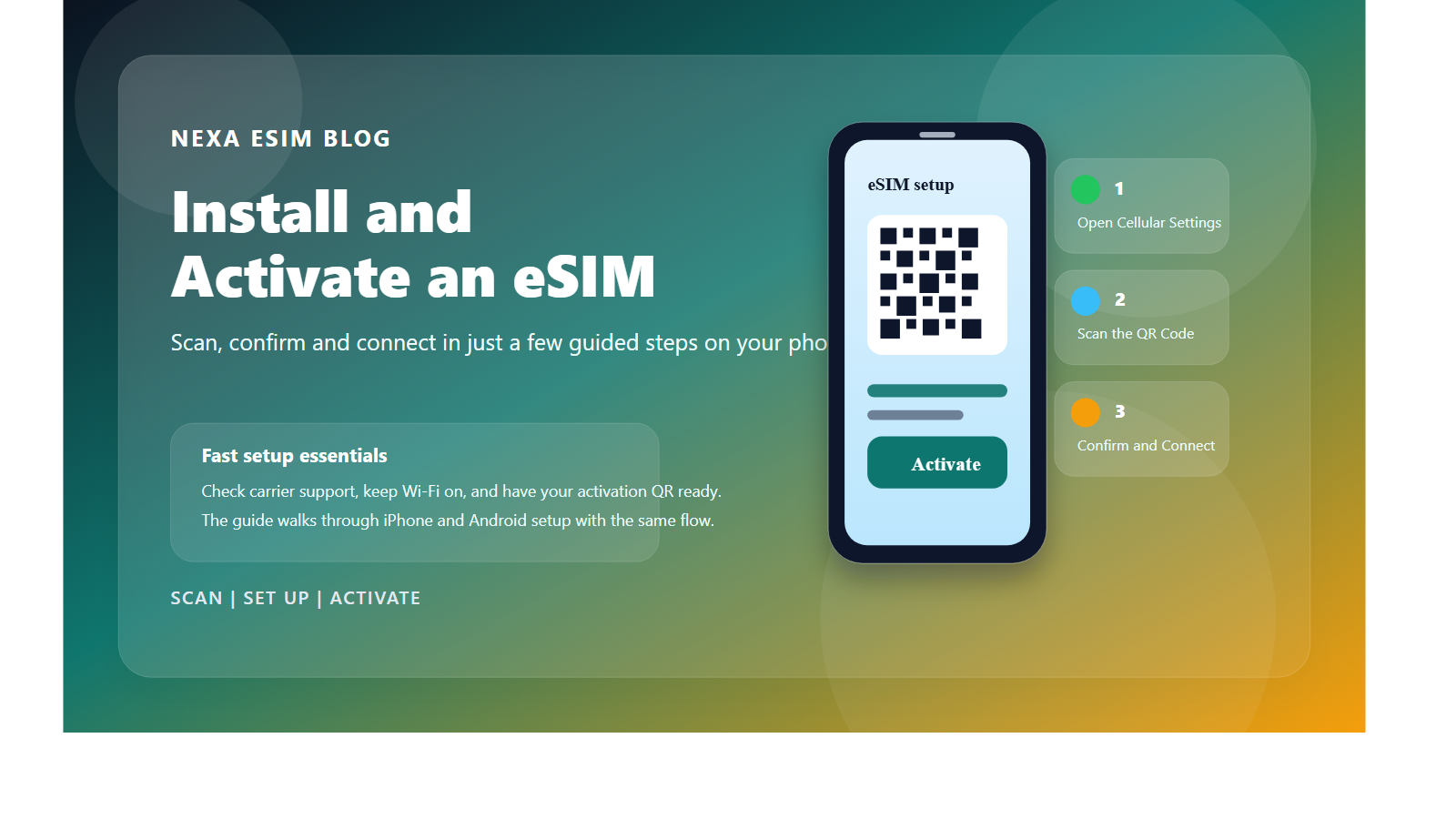
Third, understand the activation process. You'll typically scan the QR code in your phone's cellular settings, follow the prompts to install the eSIM profile, then select it as your primary data line. Keep your home SIM active for calls and texts if needed, or disable it to avoid roaming charges. The entire process takes under five minutes with a stable internet connection.
Finally, familiarize yourself with top-up options before you travel. Knowing how to add more data if you exceed your initial allowance prevents connectivity interruptions during your trip. Many providers offer seamless in-app top-ups, while others require purchasing a new plan.
FAQ
What is the best eSIM for Ireland travel?
For most tourists, Vodafone-based eSIMs offer the best combination of nationwide coverage and consistent speeds. Digital nomads might prefer Three for superior 5G in cities, while budget travelers can find excellent value with Eir-based options.
Can I buy an eSIM for Ireland before I arrive?
Yes, and this is recommended. Purchasing your eSIM in advance allows immediate activation upon landing at Irish airports. You'll avoid queues and have connectivity for transportation apps, maps, and contacting accommodation.
How much data do I need for a week in Ireland?
Most tourists find 15-20 GB sufficient for a week of regular navigation, photo sharing, and basic web browsing. Heavy users streaming video or working remotely should consider 25+ GB or unlimited plans.
Are there unlimited data eSIM options for Ireland?
Yes, several providers offer unlimited data plans, though some may throttle speeds after certain usage thresholds. Three Ireland provides some of the most generous truly unlimited options for heavy users.
What's the cheapest eSIM for Ireland travel?
Budget options start around 5 GB for short trips, with MVNOs on Eir's network typically offering the most affordable rates. Check our Ireland eSIM packages for current deals.
Do Irish eSIMs work in Northern Ireland?
Some plans cover both the Republic and Northern Ireland, while others are restricted. Verify coverage maps before purchasing if your itinerary includes Belfast or other Northern Irish destinations.
Is 5G widely available in Ireland?
5G coverage is expanding rapidly in urban areas, particularly with Three and Vodafone. Dublin, Cork, Galway, and Limerick have good 5G availability, while rural areas primarily rely on 4G.
Can I use my eSIM for mobile hotspot/tethering?
Most Irish eSIM plans allow tethering, but check terms before purchasing if you need to connect multiple devices. Some budget plans may restrict this feature.
How do I install an eSIM for Ireland?
The process involves scanning a QR code in your phone's cellular settings. Our installation guide provides detailed, device-specific instructions.
What happens if I use all my data before my trip ends?
Most providers offer easy top-up options through their apps or websites. Purchase additional data before completely exhausting your allowance to avoid service interruption.