Stay connected in Iceland with the right eSIM. Our expert guide compares top carriers, coverage maps, and data plans for tourists, digital nomads, and backpackers.
Quick Answer
For most travelers to Iceland, an eSIM from a global provider like our Iceland eSIM packages is the best choice. It offers immediate activation upon landing, avoids physical SIM hassles, and provides competitive data rates. Major local carriers are SIMinn, Nova, and Vodafone, with SIMinn often having the widest coverage in remote areas. For typical tourist needs (navigation, social media, photos), a 3-5GB plan for a week is sufficient. Heavy users or digital nomads should consider 10GB+ or unlimited options. Purchase your eSIM before departure for seamless connectivity.
Why Choose eSIM for Iceland Travel
Traveling to Iceland presents unique connectivity challenges—vast landscapes, remote attractions, and unpredictable weather. An eSIM solves these elegantly. Unlike physical SIMs, you can buy and install an eSIM before you even board your flight. Upon arrival, your phone connects automatically, sparing you the queue at airport kiosks. This is especially valuable in Iceland, where you'll want to hit the road quickly to make the most of limited daylight in winter or crowded sites in summer. eSIMs also allow dual-SIM functionality, so you can keep your home number active for emergencies while using Icelandic data. For backpackers and digital nomads, the ability to top up or switch plans digitally is a game-changer. Plus, with options from global providers, you often get better value than local pay-as-you-go plans, especially for short trips.
Major Mobile Carriers in Iceland
Iceland's telecom market is dominated by three main players, each with distinct strengths. SIMinn (operated by Síminn) is the oldest and often cited for its extensive coverage, crucial for venturing into the Highlands or along the Ring Road. Nova is known for competitive pricing and strong 4G/5G networks in populated areas, appealing to budget-conscious travelers. Vodafone Iceland offers reliable service with good speeds in urban centers like Reykjavík and popular tourist zones. All three support eSIMs, but for tourists, purchasing through a global eSIM provider that partners with these networks (like our global eSIM catalog) is typically more convenient and cost-effective, as it bundles data without needing a local registration.
Network Speed & Coverage Comparison
Coverage is king in Iceland. While urban areas enjoy fast 4G and growing 5G, rural regions can be spotty. Based on traveler reports and network tests, SIMinn generally leads in geographic reach, making it the go-to for road trips to remote spots like the Westfjords or East Iceland. Nova and Vodafone offer excellent speeds in and around Reykjavík, Akureyri, and the Golden Circle, but may drop to 3G or no signal in isolated areas. 5G is available in major cities but isn't essential for most tourists—4G is plenty for streaming maps and photos. Here's a detailed comparison:
| Carrier | Coverage | Speed | 5G | Best For |
|---|---|---|---|---|
| SIMinn | Excellent nationwide, best in remote areas | Good 4G, moderate in countryside | Limited in cities | Road trippers, backpackers in wilderness |
| Nova | Good in populated areas, weaker in remote zones | Fast 4G/5G in urban centers | Available in Reykjavík and towns | Budget travelers staying near cities |
| Vodafone | Solid in tourist hotspots and urban areas | Reliable 4G, good speeds | Growing in key locations | Tourists focusing on main attractions |
Which Network is Best for Tourists?
For the average tourist, the best network depends on your itinerary. If you're sticking to the Golden Circle, South Coast, and Reykjavík, all three carriers perform well, with Nova often being the cheapest. However, if your Iceland travel plans include the Ring Road, Highlands, or less-visited regions like the Snæfellsnes Peninsula, SIMinn's superior coverage makes it the safer bet. Many global eSIM providers use SIMinn's network for this reason, ensuring you stay connected when it matters most. For digital nomads who need consistent high-speed data in co-working spaces in Reykjavík, Vodafone or Nova's 5G can be advantageous. Ultimately, using an eSIM from a provider that aggregates multiple networks (like ours) gives you the flexibility to access the best available signal without switching SIMs.
Must-Visit Places in Iceland
Iceland's allure lies in its otherworldly landscapes. Start with the Golden Circle (Þingvellir National Park, Geysir, Gullfoss)—easily accessible from Reykjavík. The South Coast offers waterfalls like Skógafoss and Seljalandsfoss, black sand beaches at Reynisfjara, and glacier hikes. For adventure, drive the Ring Road to see Jökulsárlón glacier lagoon and Diamond Beach. The Westfjords provide rugged isolation, while Lake Mývatn in the north boasts geothermal wonders. In Reykjavík, don't miss Hallgrímskirkja church and the vibrant food scene. An eSIM ensures you can navigate these sites, check weather updates (critical in Iceland), and share experiences in real-time.
Connectivity Tips for Travelers
To maximize your eSIM experience in Iceland, follow these tips: First, download offline maps (like Google Maps or Maps.me) for areas with poor coverage. Second, enable data-saving modes on your apps to conserve data—Iceland's scenery will tempt you to upload countless photos and videos. Third, use Wi-Fi at hotels and cafes when available, but rely on your eSIM for on-the-go needs. Fourth, if you're buying an eSIM for Iceland travel, choose a plan with a buffer (e.g., 20% extra data) for unexpected usage, especially if you're a digital nomad or heavy streamer. Finally, keep a portable charger handy; cold weather can drain batteries faster.
Weather & Travel Seasons
Iceland's weather is famously changeable, impacting connectivity and travel. Summer (June-August) brings mild temperatures (10-15°C), midnight sun, and crowded sites—network congestion can occur in popular spots. Winter (November-March) offers northern lights but short days, snow, and potential road closures; coverage may be less reliable in storms. Shoulder seasons (April-May, September-October) balance fewer tourists with decent weather. Regardless of season, an eSIM lets you check road conditions (via road.is) and aurora forecasts, enhancing safety and planning.
Best Month for Travel
The best month depends on your priorities. For optimal connectivity and outdoor access, July is peak summer with 24-hour daylight, full road access, and vibrant festivals. However, it's also the busiest and most expensive. For a balance, September offers fewer crowds, autumn colors, and good network performance as tourism winds down. Winter travelers prefer February for northern lights and ice caves, though remote travel requires extra caution with connectivity. An eSIM supports all seasons by providing real-time updates.
eSIM Data Plan Recommendation
Choosing the right data plan is key to a stress-free trip. Based on typical usage patterns for Iceland travel—navigation, social media, photo uploads, and occasional video calls—we recommend the following. Light users stick to basics; heavy users or digital nomads may need more for work or streaming.
| Travel Days | Usage Type | Recommended Data |
|---|---|---|
| 3 days | Light (maps, messaging) | 1-2 GB |
| 5 days | Moderate (social media, photos) | 3-5 GB |
| 7 days | Typical tourist (some video) | 5-7 GB |
| 10 days | Heavy or digital nomad | 10 GB+ or unlimited |
Heavy vs Light Users
Light users (e.g., casual tourists) primarily use data for GPS, messaging, and occasional photo uploads. A 5GB plan for a week is ample, especially with Wi-Fi use. Heavy users (e.g., digital nomads, backpackers documenting their journey) stream videos, make video calls, or work online. They should opt for 10GB or unlimited plans to avoid overage charges. For those buying eSIM for Iceland travel on a budget, look for packages that offer rollover data or top-up options. Remember, Iceland's stunning vistas might turn anyone into a heavy user—when in doubt, choose a larger plan.
Buy eSIM for Iceland
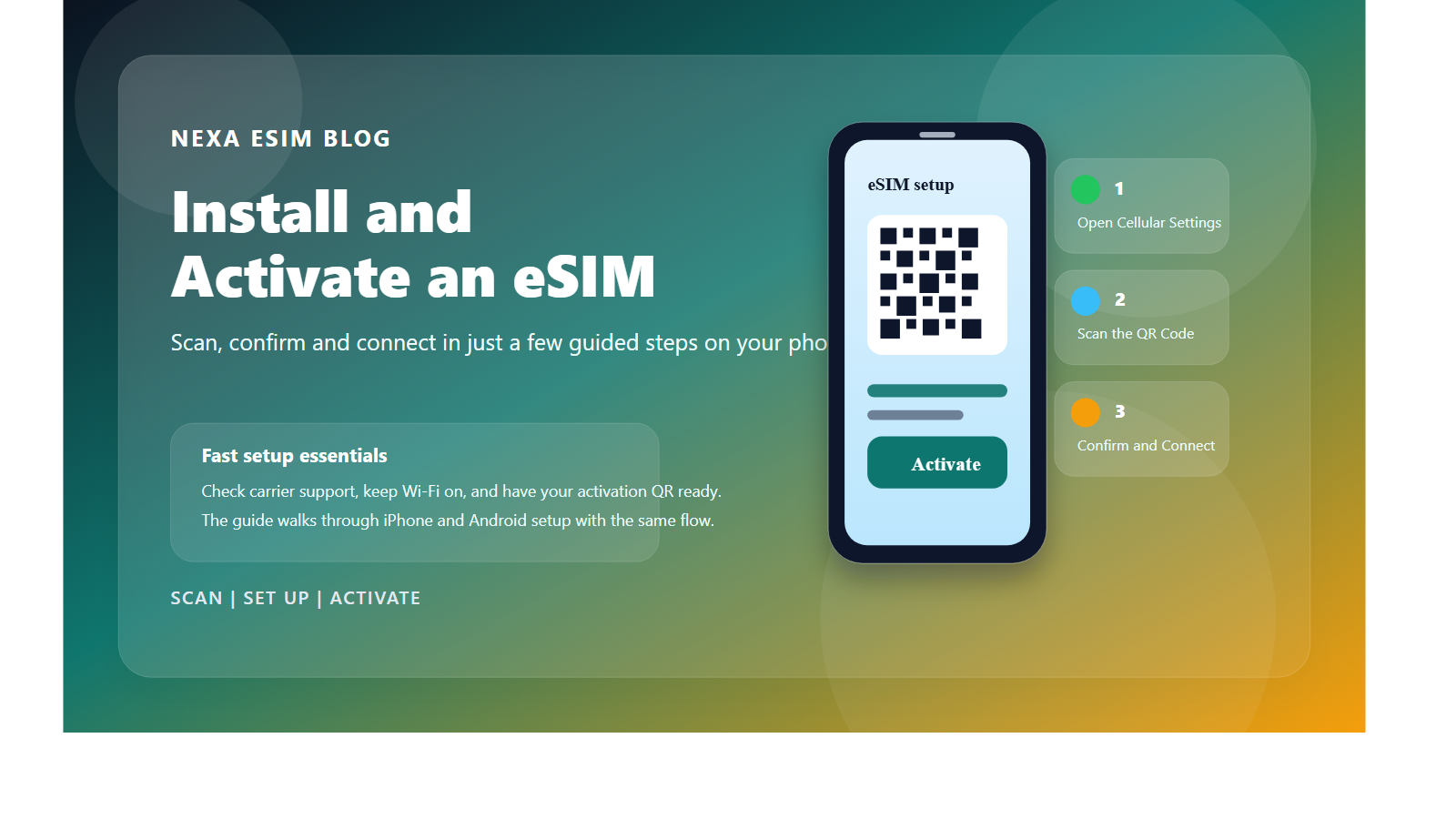
Purchasing an eSIM for Iceland is straightforward. Browse our Iceland eSIM packages, select a plan based on your duration and usage (e.g., 7-day 5GB for tourists), and complete the purchase online. You'll receive a QR code via email—scan it in your phone's settings before you depart. Activation typically occurs when you land in Iceland. For setup help, consult our installation guide. Benefits include no physical SIM swap, instant connectivity, and often cheaper rates than airport counters. Whether you're a tourist, digital nomad, or backpacker, an eSIM simplifies staying connected in this breathtaking country.
FAQ
What is the best eSIM for Iceland travel?
The best eSIM depends on your needs. For most tourists, a global provider's plan using SIMinn's network offers the best coverage. Check our Iceland eSIM packages for options tailored to short trips or extended stays.
Can I buy an eSIM for Iceland as a tourist?
Yes, tourists can easily buy eSIMs online before arrival. It's the most convenient way to get connected without visiting a local store. Ensure your phone is eSIM-compatible (most newer models are).
Is there unlimited data eSIM for Iceland travel?
Yes, some providers offer unlimited data eSIMs for Iceland, ideal for digital nomads or heavy users. However, these may have fair usage policies, so check the terms if you plan on extensive streaming.
How do I use an eSIM for backpacking Iceland?
Backpackers should choose an eSIM with robust coverage (like SIMinn-based plans) and sufficient data for navigation and communication in remote areas. Purchase in advance and download offline resources as a backup.
Are cheap eSIMs for Iceland travel reliable?
Cheap eSIMs can be reliable if they use reputable networks like SIMinn, Nova, or Vodafone. Compare plans in our catalog to find affordable options without sacrificing coverage.
What if my eSIM doesn't work in Iceland?
First, ensure it's activated and your APN settings are correct. If issues persist, contact your provider's support—most offer 24/7 assistance. Having a backup plan (e.g., local Wi-Fi or a physical SIM) is wise for critical trips.